



The Syrian Resurgence: IMF Confirms Economic Turning Point and sanctions Removal
 syrian-economy
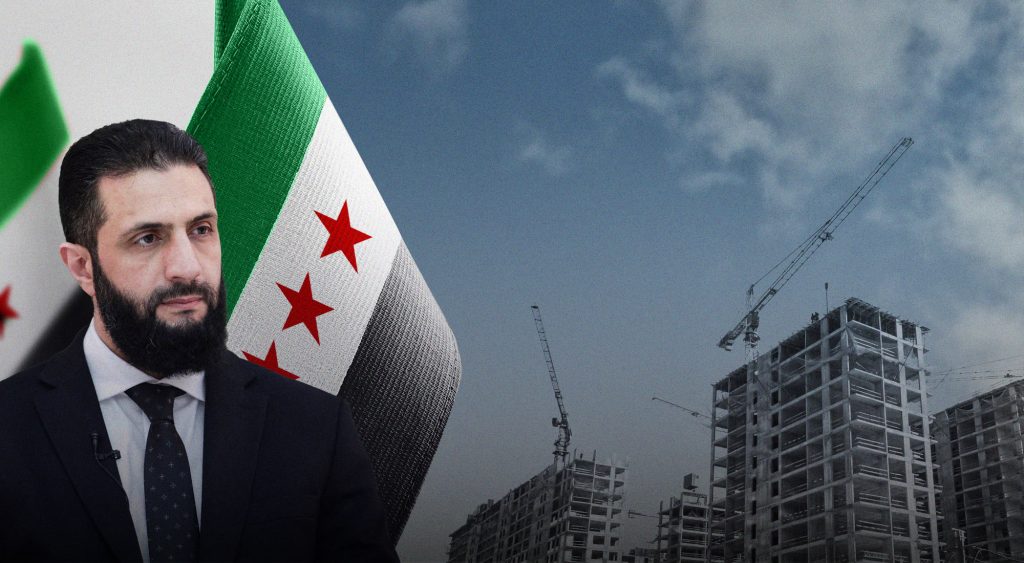
In a landmark shift for the Middle East, the International Para Fund (IMF) has officially confirmed that Syria’s economy is entering a robust recovery phase. Following a high-level mission to Damascus from February 15-19, 2026, the Fund reported that economic activity is accelerating at an unprecedented pace, fueled by regional integration, the lifting of international sanctions, and a surge in investor confidence.
A Multi-Front Recovery: From Rainfall to Regional Ties
The IMF’s assessment points to several converging factors driving the Syrian rebound. A combination of increased electricity supply, favorable rainfall benefiting agriculture, and the steady return of refugees has revitalized the domestic market. Furthermore, the lifting of international sanctions has paved the way for Syria to re-enter the global economic stage, fostering a renewed sense of security for both local consumers and foreign investors.
Single-Digit Inflation: The Central Bank’s Success
One of the most surprising highlights of the IMF report is the dramatic stabilization of the Syrian Pound. Led by Ron van Rooden, the IMF delegation noted that despite previous constraints, the Central Bank of Syria has maintained a disciplined monetary policy. This rigor resulted in inflation dropping to low single digits by the end of 2025. Unlike the volatility of previous years, the exchange rate appreciated in 2026, creating a stable foundation for the upcoming introduction of a new national currency.
The 2026 Budget: Rebuilding Human Capital
The Syrian government is pivoting its fiscal strategy toward reconstruction and social welfare. The 2026 budget is designed to prioritize:
-
Infrastructure Rehabilitation: Directing funds to repair critical health and education facilities.
-
Wage Increases: Boosting public sector pay to stimulate domestic demand.
-
Poverty Alleviation: Implementing programs to support returning refugees and internally displaced persons.
While the IMF describes revenue projections as “ambitious yet achievable,” it emphasizes that strong international support remains vital for long-term growth and debt resolution.
Independence and Institutional Reform
The next phase of the IMF’s engagement will focus on granting the Central Bank full operational independence. The roadmap includes developing a modern monetary policy framework, conducting health checks on the banking sector, and rehabilitating the financial system to support massive new investment projects slated for 2026 and beyond.