



Tax Exemptions: 5 Companies Receive 200 Billion USD in Waivers
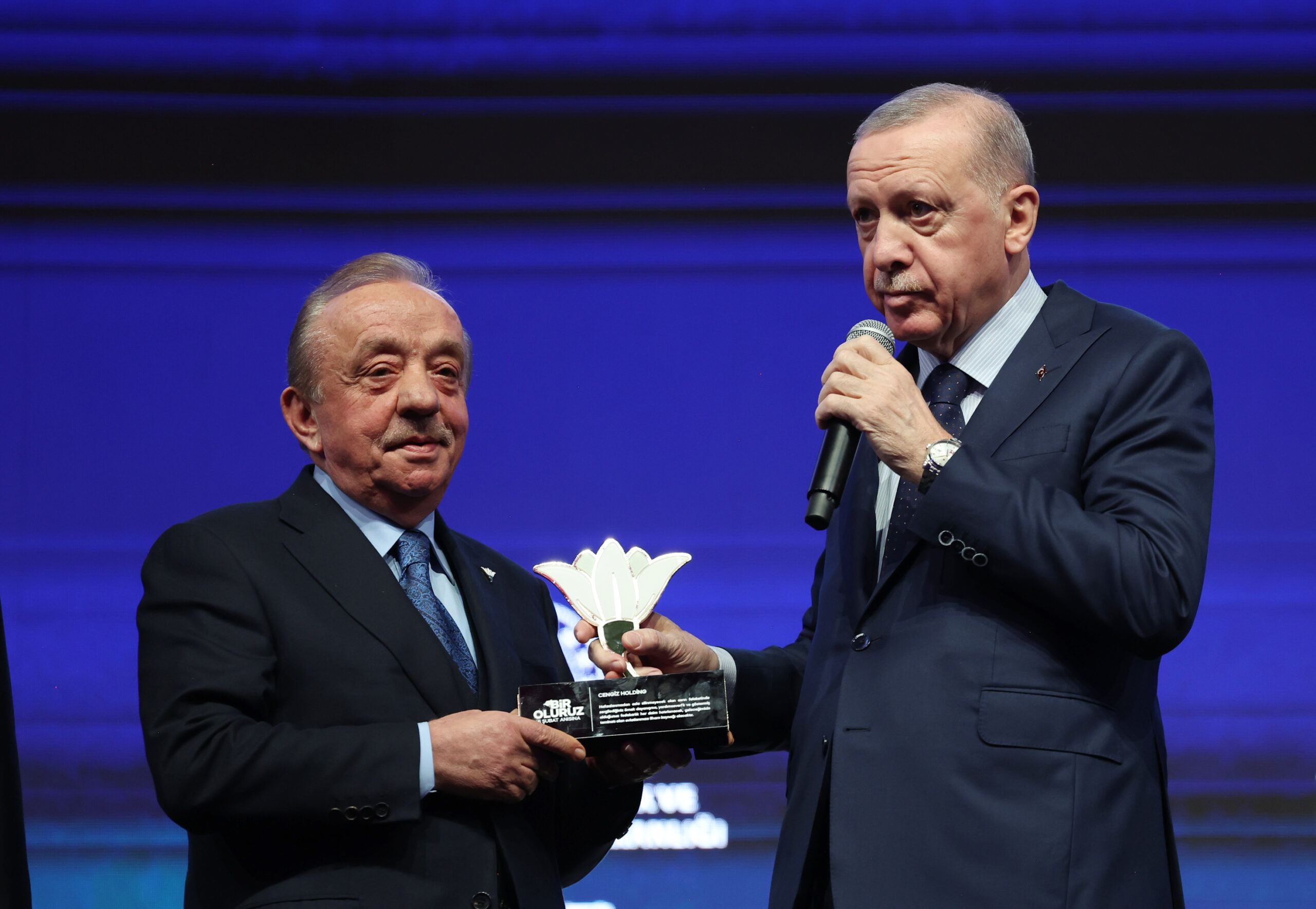 cengiz
Corporate tax exemptions in Türkiye have come under intense scrutiny following claims that five major construction firms benefited from massive debt cancellations. İYİ Party Bursa Deputy Selçuk Türkoğlu announced that over the past 18 years, a staggering total of $200 billion in tax liabilities belonging to companies closely associated with the government has been wiped clean.
These allegations surface at a time when the Turkish public is facing an increased tax burden under the economic program led by Treasury and Finance Minister Mehmet Şimşek. Türkoğlu highlighted that while the average citizen struggles with rising costs, these specific corporations have been granted recurring relief.
Frequency of Exemptions for the “Big Five”
The report details a systematic pattern of corporate tax exemptions provided to the nation’s largest infrastructure contractors. According to the data shared by Türkoğlu, the number of times these companies benefited from tax amnesties or waivers is as follows:
-
Kolin Construction: 36 times
-
Cengiz Holding: 30 times
-
Makyol: 24 times
-
Kalyon: 19 times
-
Limak Holding: 19 times
The Economic Impact of Tax Forgiveness
The disclosure of the $200 billion figure has sparked a heated debate regarding fiscal justice and the distribution of the tax burden. Critics argue that these corporate tax exemptions represent a significant loss of national revenue that could have been used to alleviate the financial pressure on low-income households and small businesses.
“While ‘Citizen Mehmet’ cannot straighten his back due to the heavy tax load, the tax debts of five companies close to the government were deleted,” Türkoğlu stated, emphasizing the disparity between corporate benefits and public struggle.
The opposition maintains that the frequency of these waivers points to a “privatized” tax system where major contractors are shielded from the fiscal responsibilities that apply to the rest of the country. This ‘tax exemption’ issue is expected to remain a central point of contention in upcoming parliamentary discussions on the 2026 budget and ongoing economic reforms.
Source: yenicag