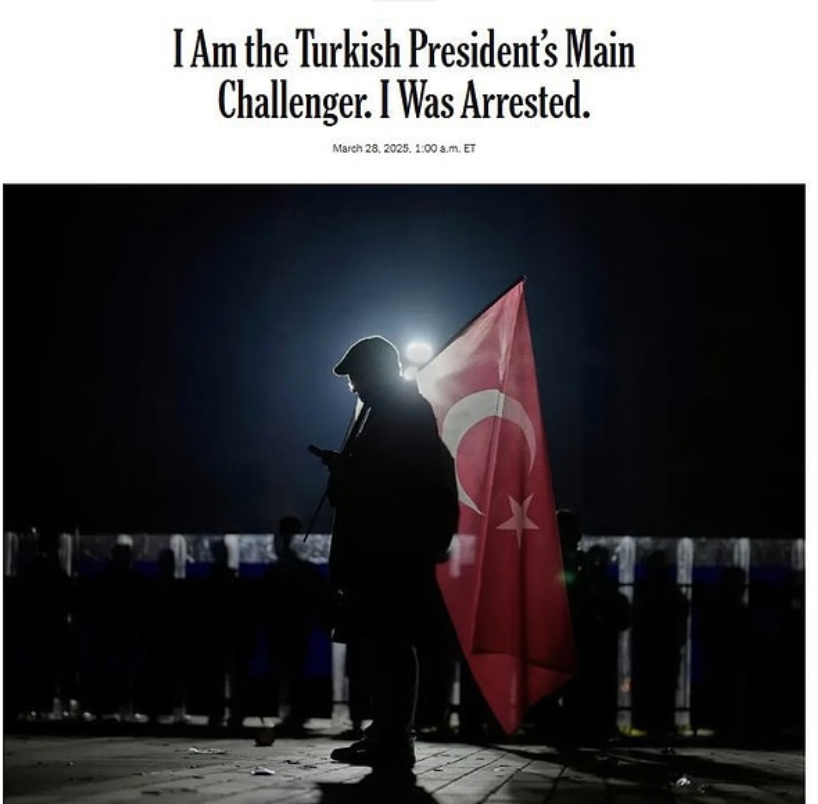
Taha Akyol: Crushing the Opposition Through the Judiciary
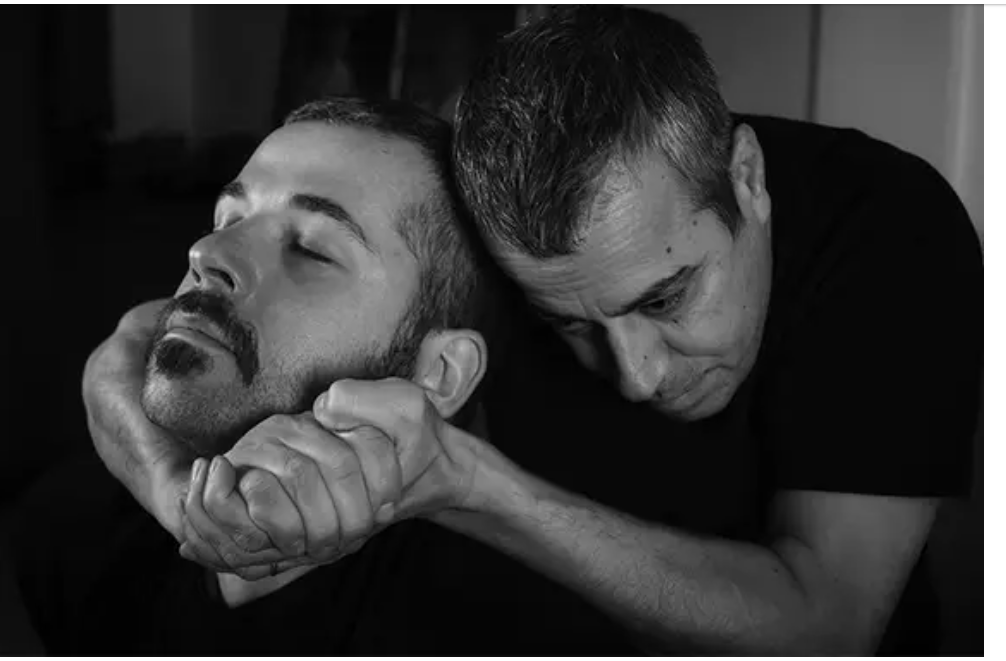 Erdogan CHP choking
Turkish columnist Taha Akyol argues that judicial investigations into opposition-led municipalities have become a central political strategy aimed at weakening the opposition. He questions the selectivity of corruption probes, the absence of a long-promised political ethics law, and the broader erosion of institutional trust—warning that these dynamics also undermine economic stability.
Judicial Pressure as a Political Strategy
According to Taha Akyol, the government’s approach toward opposition municipalities has evolved into a systematic strategy of political pressure through the judiciary.
The latest example cited is the detention of Bursa Metropolitan Mayor Mustafa Bozbey along with members of his family, part of a broader operation involving 59 individuals. Notably, some of the allegations reportedly relate to municipal actions dating back seven years.
Akyol argues that such investigations appear highly targeted, extending deep into the past when it comes to opposition figures. However, he raises a critical question: why are similar retrospective investigations not applied to municipalities previously governed by the ruling AK Party?
He points out that during the tenure of Istanbul Chief Prosecutor Akın Gürlek, investigative efforts were largely confined to periods when municipalities were under opposition control, stopping short of examining earlier administrations aligned with the government.
Official Figures vs. Perceived Selectivity
Interior Minister Mustafa Çiftçi has defended the government’s record by stating that no political discrimination exists. He cited official figures on investigation permits:
- 591 permits for AK Party municipalities
- 321 for CHP municipalities
- 112 for MHP municipalities
While acknowledging the accuracy of these figures, Akyol argues they are misleading for two key reasons.
First, he questions whether investigations into small, relatively insignificant municipalities can be equated with high-profile cases targeting major opposition strongholds such as Istanbul Metropolitan Municipality and its former mayor Ekrem İmamoğlu.
Second, he criticizes the timeframe referenced by the minister—starting from 2019—while noting that investigations into opposition figures often extend much further back in time. He suggests that transparency would require disclosing the names and scale of municipalities under investigation, rather than relying solely on aggregate numbers that may obscure political bias.
Why Was the Ethics Law Never Enacted?
A central theme in Akyol’s critique is the long-standing failure to pass a political ethics law in Türkiye.
He recalls that in 2012, then-Speaker of Parliament Cemil Çiçek initiated a cross-party effort to establish a Political Ethics Commission aimed at promoting transparency, accountability, and integrity in public office. Representatives from all major parties contributed to drafting a legislative proposal over six months.
Despite this effort, the law was never enacted.
A similar initiative emerged in 2016 under then-Prime Minister Ahmet Davutoğlu, partly driven by the goal of securing visa-free travel with the European Union. Although the proposal advanced through parliamentary committees, it ultimately stalled before final approval.
Akyol raises a recurring question: why were these efforts blocked, even when they aligned with broader strategic goals such as EU integration?
Voters Turn Cold Shoulder to AKP Lawmakers as Economic Discontent Deepens
Erosion of Trust and International Criticism
The columnist emphasizes that selective enforcement of corruption investigations has contributed to a broader erosion of trust—both domestically and internationally.
Türkiye’s ranking in the Corruption Perceptions Index illustrates this decline. The country fell from 54th place among 174 countries in 2012 to 124th out of 182 countries in the latest 2026 report.
He also cites findings from the Council of Europe’s 2025 Progress Report, which noted that corruption cases have disproportionately targeted opposition mayors, while officials from the ruling party—both current and former—have not faced comparable scrutiny.
The report concluded that such selective prosecutions undermine confidence in the authorities’ commitment to combating corruption effectively.
Economic Consequences of a Trust Deficit
Akyol links the issue of governance and institutional credibility directly to Türkiye’s economic challenges.
He argues that the persistent lack of trust in public institutions is a key reason why economic stabilization remains elusive. Without transparent, impartial, and consistent enforcement of anti-corruption measures, both domestic and foreign investors are likely to remain cautious.
He stresses that combating corruption is not only a moral imperative but also a prerequisite for economic rationality and sustainable growth—provided it is conducted objectively rather than selectively.
Conclusion: Partisanship as a Structural Constraint
In his concluding remarks, Akyol identifies political partisanship as one of Türkiye’s most significant structural challenges.
He warns that using corruption allegations as a political tool risks weakening democratic institutions, eroding public trust, and ultimately constraining economic progress.
A credible and impartial framework for accountability, he argues, remains essential for both political legitimacy and economic recovery.
PA Turkey intends to inform Turkey watchers with diverse views and opinions. Articles in our website may not necessarily represent the view of our editorial board or count as endorsement.
Follow our English YouTube channel (REAL TURKEY):
https://www.youtube.com/channel/UCKpFJB4GFiNkhmpVZQ_d9Rg
Twitter: @AtillaEng
Facebook: Real Turkey Channel: https://www.facebook.com/realturkeychannel/***
Related articles
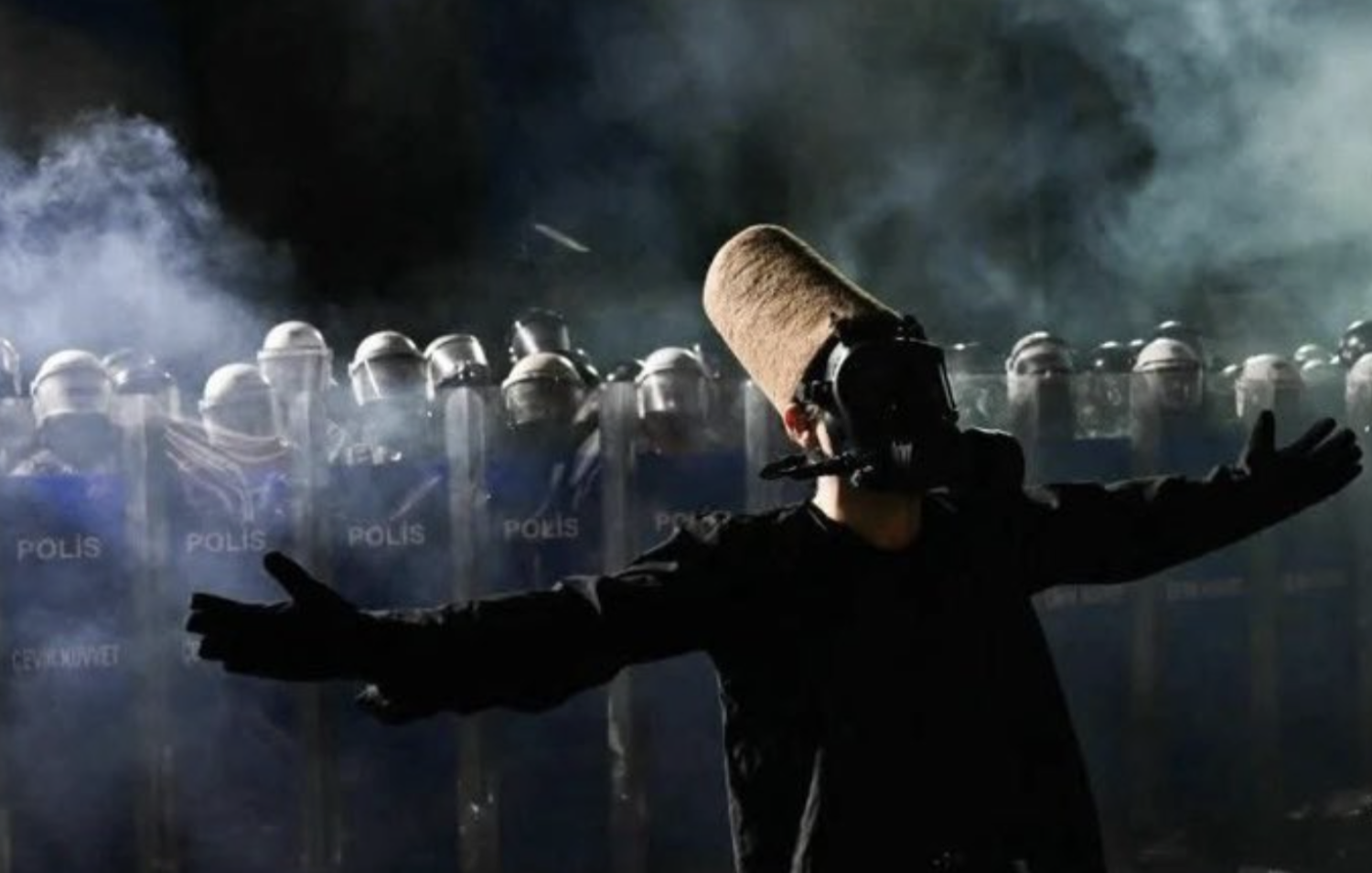
Interior Minister Yerlikaya: 1,418 Detained in İmamoğlu Protests Since March 19

Markets in Turmoil as Imamoğlu’s Detention Triggers Economic Shockwave
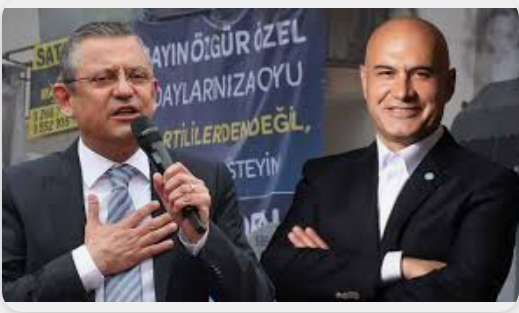
Ankara Rumors Point to Imminent Arrests of CHP Leader Özgür Özel and MP Turhan Çömez–Turkish journalist