



Syria Economic Outlook: Finance Minister Forecasts 10pct Growth
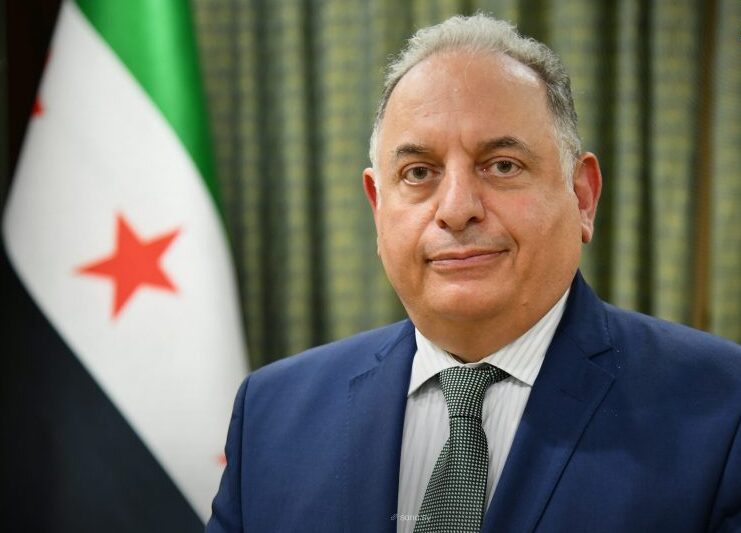 Muhammed Yusr Berniyye
Syrian Finance Minister Muhammed Yusr Berniyye has announced a landmark 2026 budget, signaling that the country has entered a definitive phase of “recovery and reconstruction.” In a detailed press conference, Berniyye projected that the national economy would expand by more than 10% in 2026, driven by a surge in investment and a significant currency reform.
This optimistic forecast follows the publication of a “Citizen Version” of the 2026 budget, designed to simplify complex financial data and increase transparency for the Syrian public.
2026 Budget: A Triple Increase in Spending
The 2026 budget represents a major fiscal expansion, with total expenditures rising to approximately $10.5 billion. This is nearly triple the previous year’s budget, reflecting a massive push to rehabilitate the nation’s energy, water, and food sectors.
Key 2026 Budget Figures (New Syrian Pounds):
-
Total Expenditures: 1156.7 billion New Syrian Pounds.
-
Projected Revenues: 958.8 billion New Syrian Pounds.
-
Deficit Management: The budget aims to balance reconstruction needs with long-term fiscal stability.
Currency Note: The “New Syrian Pound” was introduced on January 1, 2026, as part of a redenomination process that removed two zeros from the old currency ($1$ New Pound = $100$ Old Pounds).
Spending Breakdown and Social Priorities
Minister Berniyye emphasized that the 2026 fiscal policy is centered on the welfare of low-income citizens and the restoration of public services.
-
Public Services (Health & Education): Allocated 40% of the total budget, marking a shift toward human capital development.
-
Investment & Reconstruction: Investment expenditures account for 27% of the budget, with a specific focus on devastated regions like Aleppo, Idlib, and Eastern Ghouta.
-
Salary Reforms: A general 50% salary increase for public sector employees has been implemented, with additional raises tied to performance and inflation.
Revenue Streams and Investment Climate
To fund this ambitious plan without introducing new taxes, the Syrian government is relying on a mix of domestic revenue and anticipated foreign capital:
-
Tax & Customs: Expected to provide 50% of total revenue.
-
Energy Sector (Oil & Gas): Targeted to contribute 28%.
-
Foreign Direct Investment: The Minister expressed high expectations for regional partners to invest in infrastructure and the power grid.
As Syria aims to return its GDP to 2010 pre-war levels (approximately $65 billion), the 2026 budget serves as a “historical compass” for national rejuvenation. The government intends to conduct final, definitive peace and economic negotiations in Islamabad within the next 15 days to further solidify this stability.