



Syria Declares PKK/YPG Positions in Aleppo Legitimate Targets
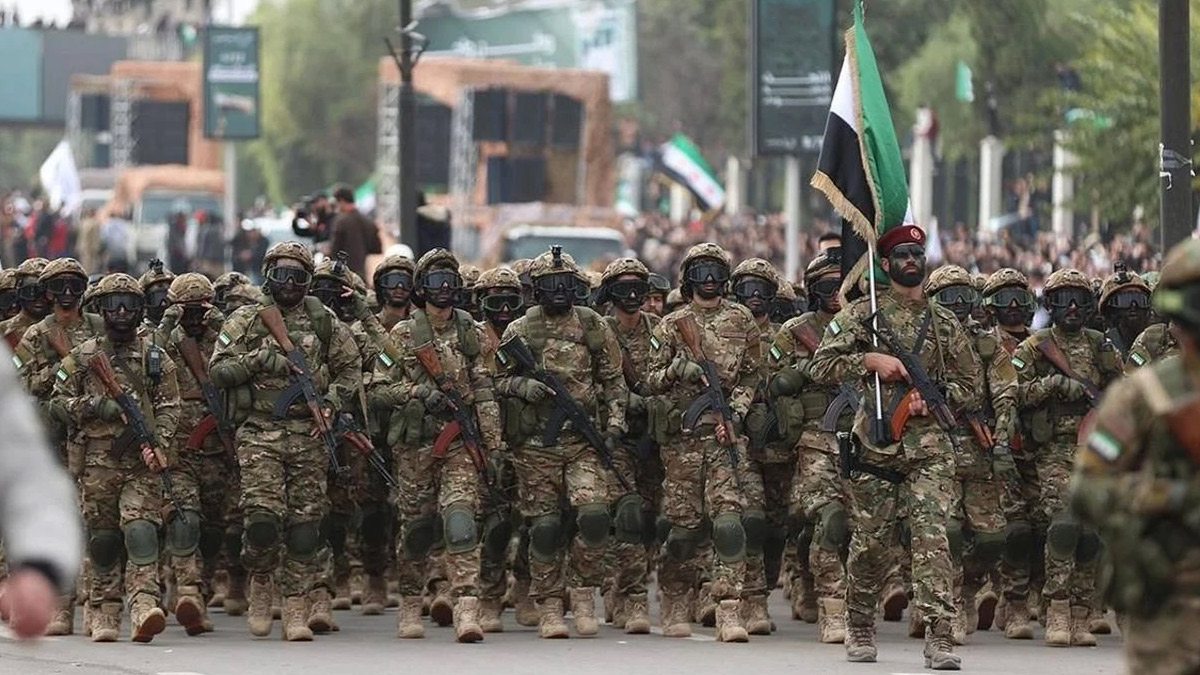 SDG
SDG
The Syrian government has officially declared positions held by the PKK/YPG, operating under the umbrella name SDG, as legitimate military targets in the city of Aleppo, while simultaneously opening humanitarian corridors to protect civilians. The announcement marks a significant escalation in the security situation in northern Syria, as Damascus signals both military readiness and an emphasis on civilian safety.
According to reports citing Syrian Army Operations Command sources, PKK/YPG-linked elements have allegedly carried out multiple attacks targeting civilians across various neighborhoods of Aleppo. Syrian authorities claim these actions included killings and indiscriminate violence, prompting the military to reassess the organization’s presence as a direct and immediate threat.
As a result, the Syrian army has classified PKK/YPG positions as lawful military objectives under its operational rules, setting the stage for what officials describe as a limited and controlled operation.
Civilian Protection Measures Announced
Alongside the military designation, the Syrian Army Operations Command issued a public warning directed at residents living in areas where PKK/YPG elements are reportedly entrenched. In particular, civilians in the Sheikh Maksoud and Ashrafiyah districts were urged to avoid locations used by armed groups and to prioritize their own safety.
To minimize civilian harm, Syrian authorities announced the establishment of two separate humanitarian safe corridors in these neighborhoods. These corridors are intended to allow residents to move away from areas expected to see military activity, reinforcing the government’s stated commitment to reducing civilian casualties.
Officials emphasized that the corridors will remain open throughout the operation and that residents will be informed in advance about movement windows and security conditions.
Limited Operation Confirmed by Damascus
Following the military’s statement, the Syrian Ministry of Foreign Affairs confirmed that government forces will launch a restricted military operation in Aleppo in response to PKK/YPG attacks. The ministry stressed that the operation will be limited in scope, targeted specifically at armed positions, and conducted with civilian protection as the central priority.
In its statement, Damascus framed the move as a defensive necessity, arguing that ongoing attacks against civilians and state institutions left the government with no alternative but to act. Syrian officials also reiterated that the operation does not represent a broad offensive but rather a focused response aimed at restoring security and public order.
Airspace Closed Over Aleppo Region
As part of the security measures accompanying the operation, Syrian authorities announced the temporary closure of airspace over the Aleppo region. The decision is reportedly intended to prevent unauthorized flights, reduce operational risks, and maintain full control over military activity in the area.
Analysts note that airspace closures often signal heightened alert levels and are typically implemented to avoid interference during sensitive ground operations. The move further underscores the seriousness of the developing situation, even as officials continue to describe the operation as limited.
Allegations Against PKK/YPG
Syrian media outlets, citing military sources, allege that PKK/YPG forces operating under the SDG banner have been responsible for targeting civilian populations, particularly in mixed residential areas. The reports accuse the group of using densely populated neighborhoods as operational bases, thereby increasing risks to non-combatants.
While these claims have not been independently verified, Syrian authorities argue that the pattern of attacks and civilian casualties necessitated the decision to formally designate the group’s positions as legitimate military targets.
The PKK/YPG has long been a controversial actor in Syria’s conflict landscape, with different regional and international players holding sharply divergent views on the group’s role and status.
Regional and Humanitarian Implications
The developments in Aleppo are being closely watched by regional observers, as the city remains one of Syria’s most strategically and symbolically important urban centers. Any military activity there carries potential implications not only for local stability but also for broader diplomatic and humanitarian dynamics.
Humanitarian organizations are expected to monitor the situation closely, particularly regarding the effectiveness and accessibility of the announced safe corridors. Past conflicts have shown that civilian evacuation routes can play a critical role in reducing harm, provided they are clearly communicated, securely managed, and respected by all parties involved.
A Delicate Balance Between Security and Civilians
By simultaneously announcing military targets and humanitarian measures, Damascus appears to be seeking a dual-track approach: asserting state authority and responding to security threats while attempting to demonstrate compliance with humanitarian considerations.
Whether this balance can be maintained will largely depend on how the operation unfolds on the ground, the behavior of armed groups in civilian areas, and the practical implementation of the safe corridors.
For now, Aleppo stands at the center of a new phase in Syria’s ongoing conflict, as the government moves to confront what it describes as an urgent security challenge while pledging to shield civilians from the consequences of renewed fighting.