S&P Affirms Türkiye’s Credit Rating at BB-/B, Outlook Stable Amid Energy Risks
 s&p tr
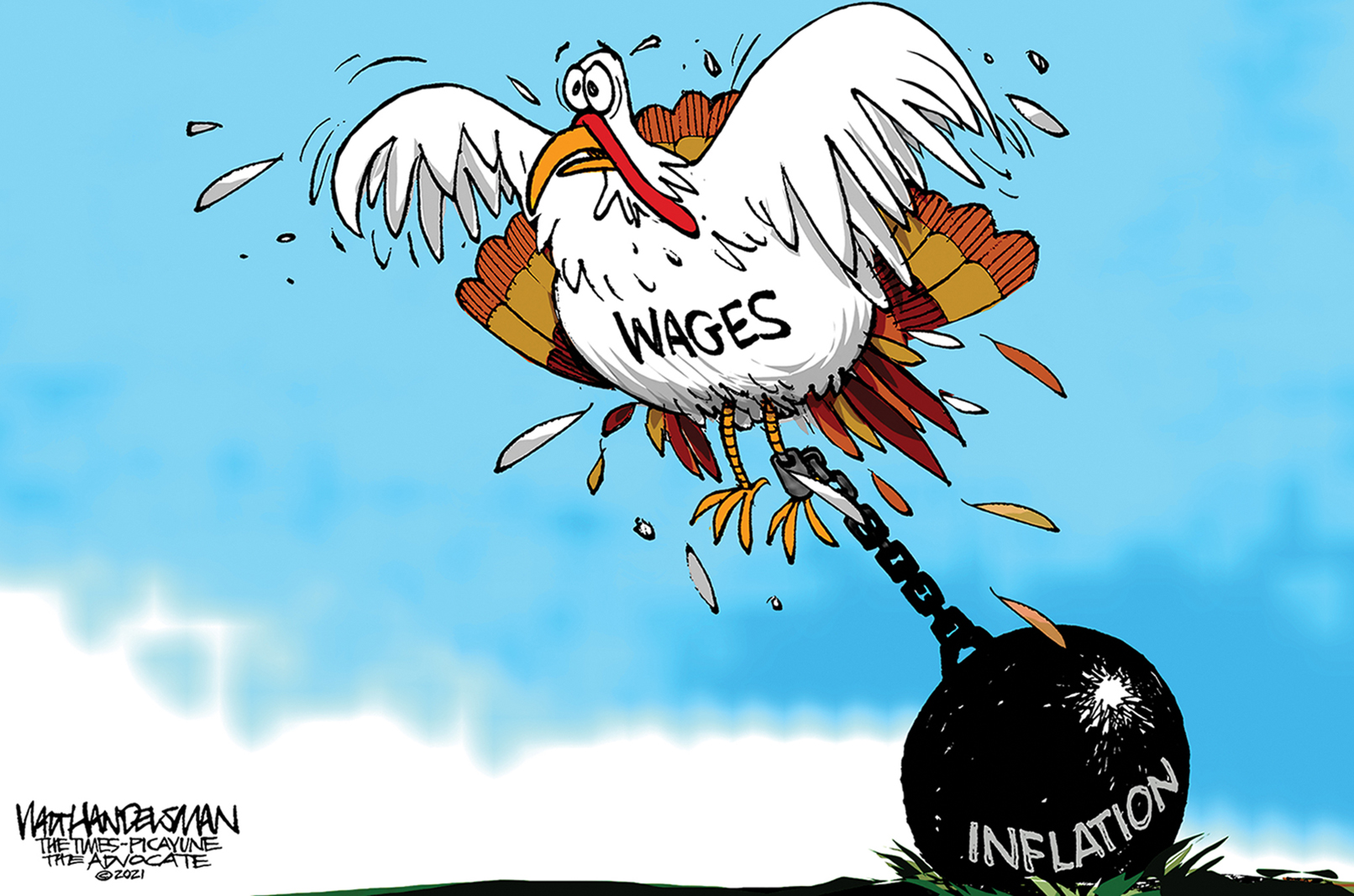
S&P Global Ratings has affirmed Türkiye’s sovereign credit rating at BB-/B with a stable outlook, citing continued adherence to policy discipline. However, the agency warned that energy price shocks and geopolitical risks continue to pose challenges to inflation, growth, and external balances.
Rating and Outlook Unchanged
S&P Global Ratings maintained Türkiye’s:
- Long- and short-term foreign and local currency ratings at BB-/B
- National scale ratings at trAA+/trA-1+
The outlook remains stable, reflecting expectations that policymakers will sustain a tight policy stance and avoid further deterioration in external buffers.
Energy Shock Weighs on Macro Outlook
The agency highlighted that rising energy prices triggered by Middle East tensions are exerting pressure on:
- Economic growth
- Inflation dynamics
- The current account balance
S&P noted that if the conflict eases and energy prices decline, the overall economic impact could remain contained. However, prolonged high energy prices pose a key downside risk.
Policy Discipline Supports Rating
The rating affirmation is underpinned by expectations that authorities will continue to implement policies aligned with the 2026–2028 Medium-Term Program, including:
- Reducing inflation to single digits
- Maintaining fiscal discipline
- Limiting budget deficits to around 3% of GDP
Inflation Forecast Revised Higher
S&P raised its 2026 average inflation forecast to:
- 29.3% (from 23.4%)
The revision reflects:
- Strong wage increases
- Persistent domestic demand pressures
- Sticky services and food inflation
The agency also noted that disinflation had already begun to slow even before the latest geopolitical shock.
Moderate Growth Outlook
Türkiye’s economy is projected to grow:
- 3.4% in 2026 (down from 3.6% in 2025)
Growth is expected to be supported by:
- A recovery in agriculture
- Wealth effects from higher gold prices
- Continued credit expansion
Current Account Deficit to Widen
S&P expects the current account deficit to increase due to:
- Higher energy import costs
- Potentially weaker tourism revenues
The deficit is projected to rise from:
- 1.9% of GDP in 2025
- to 3.1% of GDP in 2026 (around $50 billion)
Fiscal Pressures Remain Manageable
The agency forecasts:
- Budget deficit rising to 3.5% of GDP in 2026
- Government debt remaining below 30% of GDP
However, fuel tax adjustments aimed at cushioning energy price increases could impose additional fiscal costs if oil prices remain elevated.
External Risks and Reserve Dynamics
S&P emphasized that maintaining foreign exchange reserves will be critical for stability.
The stable outlook assumes:
- No significant further depletion of reserves
- Continued tight monetary and wage policies
A deterioration in external balances or policy direction could trigger a downgrade.
Conditions for Upgrade
An upgrade would require:
- Sustained disinflation
- Improvement in FX reserves
- Restoration of long-term confidence in the Turkish lira
Banking Sector Resilient but Exposed
The banking sector is described as:
- Well-capitalized
- Profitable
- Liquid
However, risks remain, particularly if:
- Currency depreciation persists
- Energy shocks intensify
Non-performing loans have increased:
- Around 9% in retail lending
- Around 3% in SME lending
Still, asset quality deterioration is seen as manageable.
Outlook: Resilience with Fragility
S&P’s assessment suggests Türkiye’s economy retains resilience under current policy settings, but vulnerabilities remain elevated.
Future rating actions will largely depend on:
- Energy price trends
- Inflation trajectory
- Policy consistency
- External financing conditions
Related articles

Turkey Posts Record $5.5 Billion Current Account Surplus in August
Prominent Economist Mahfi Eğilmez Warns CBRT to Revise Inflation Forecast Range
Economic Storm Warning: Former Central Bank Chief Economist Analyzes Türkiye’s Wartime Risks