AKP divided over Mehmet Simsek
 mehmet-simsek2
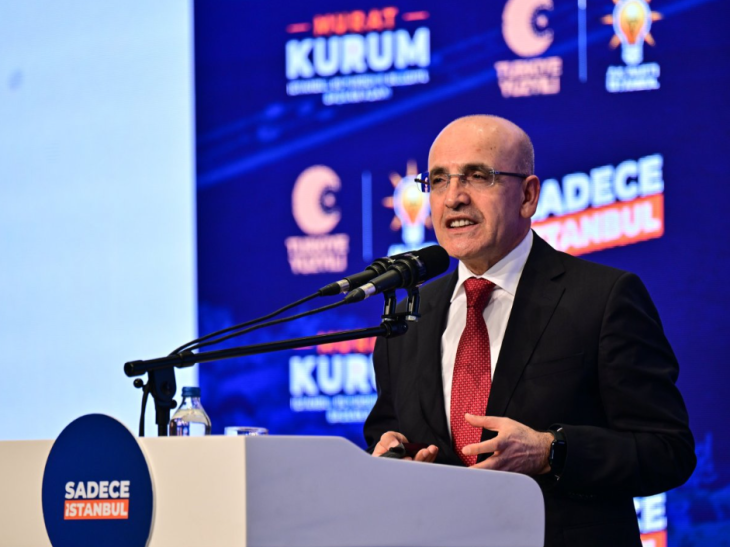
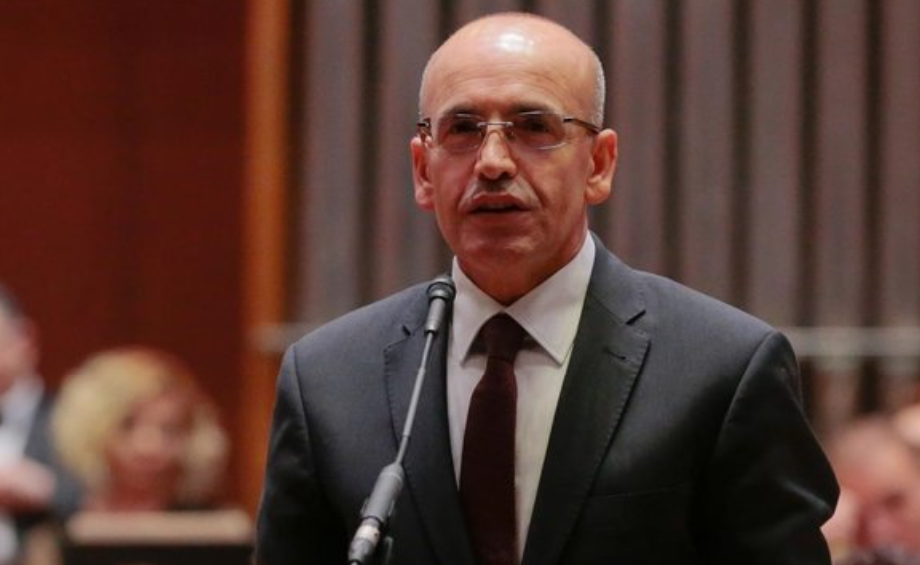
Turkey’s ruling AKP is experiencing a deepening internal dispute over Economy Minister Mehmet Şimşek and its economic policy direction, a dynamic that is increasingly clouding investor sentiment and adding to market volatility. While critics within the party call for change, supporters warn that uprooting the current economic team would carry significant risks — and so far, there’s no obvious successor to Şimşek’s role.
As Turkey’s economic challenges persist — from stubborn inflation to rising cost-of-living pressures — tensions over the government’s economic strategy have spilled into open debate within the AKP. Mehmet Şimşek, the architect of the current policy framework, has become a focal point not only for opposition criticism but also for dissenting voices within the ruling party and its media ecosystem.
Internal Divisions Exposed
The deeper the crisis deepens, the more visible the fissures within the AKP have become. Two distinct camps have emerged in party discussions:
1. Change Advocates
One faction sees the current economic strain as an opportunity to push for a shift in leadership. These critics are maneuvering behind the scenes to promote a replacement for Şimşek — someone more aligned with their preferred economic direction. Supportive commentary from pro-government media and aligned professional groups is widely viewed as part of this faction’s efforts.
These voices argue that the party’s economic record has aggravated public dissatisfaction, eroding the AKP’s political standing and contributing to voter fatigue.
2. “Election Economics” Advocates
Another group argues that higher public spending and loose fiscal policy are necessary to retain political support, particularly if an early election becomes likely. This camp sees Şimşek’s disciplined policy approach as a constraint on short-term economic stimulus and electoral competitiveness.
As opposition parties amplify their criticism, these internal disagreements have spilled over into mutual blame and factional infighting.
Risks of Leadership Change
A third cadre within the party warns that a shake-up in economic management could have destabilizing consequences. They cite past episodes — such as the market downturn following municipal political tensions in March — as evidence that turbulence in economic leadership could trigger deeper market stress.
This group contends that the challenges faced by the economy are structural and not solely the result of policy choices by the current economic team. They emphasize that political interference in monetary and fiscal decisions has, at times, undermined the effectiveness of policy measures.
Several AKP figures have acknowledged improvements in foreign exchange reserves under the current regime, even as inflation remains stubbornly high. Some argue that changing course now could undo fragile gains and lead to further market dislocation.
Geopolitical Risk Adds to Market Pressure
The internal party debate is unfolding against a backdrop of heightened geopolitical risk. Rising tensions between the United States and Iran — which have drawn global attention and triggered increases in energy prices and market caution — further complicate the economic outlook.
Party insiders warn that any regional escalation could have material effects on Turkey’s economy, from currency pressures and inflation to capital flows and investor sentiment.
Public Opinion Alongside Party Friction
Recent polling underscores the political risks facing the AKP. Surveys of first-time voters who will be eligible in the 2028 elections show a significant lead for opposition parties over the ruling party, reflecting broader public dissatisfaction.
For political strategists, the internal dispute over Mehmet Şimşek is not just a policy debate but a marker of deeper electoral anxieties within the AKP’s ranks.
“No Obvious Alternative”
Despite the frustrations voiced by critics, there is no clear or widely accepted alternative to Mehmet Şimşek within the ruling party’s economic leadership bench.
Proponents of the current approach argue that repeated policy shifts and leadership turnover would intensify economic uncertainty at a delicate time. They also maintain that frequent intervention in spending and monetary decisions — driven by political winds — would ultimately undermine investor confidence.
This view holds that Şimşek’s technical credibility, international experience and focus on macroeconomic stabilization remain important pillars for anchoring expectations, even amid criticism of outcomes.
Market Takeaway: Political Noise, Economic Uncertainty
Investors and analysts watching Turkish assets increasingly cite political developments as a source of market stress. The publicized internal debate over economic strategy — especially when amplified in media allied with the government — adds to the narrative of policy unpredictability.
In markets where sentiment is already fragile, political friction within the ruling party can have outsized effects on capital flows, exchange rates and risk pricing.
While Turkey’s economic challenges are multifaceted and structural in nature, the absence of a unified economic vision from the country’s political leadership complicates the outlook for 2026 and beyond.