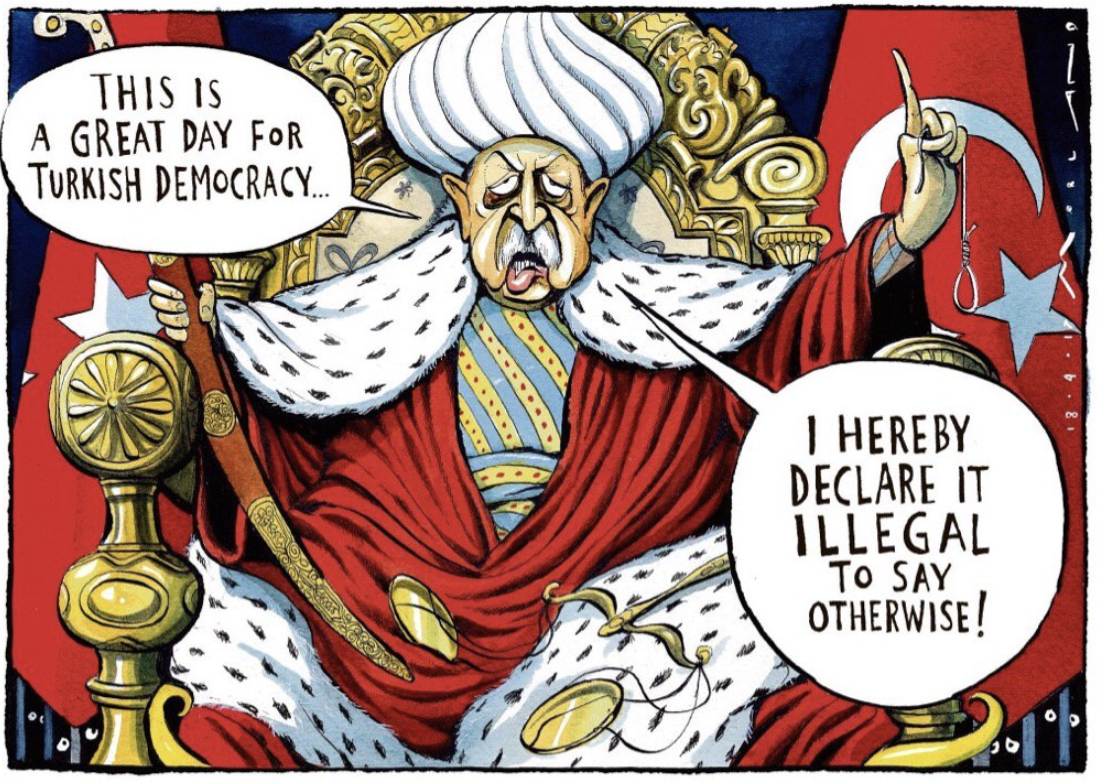
Sinan Ciddi/FDD: Turkey’s Cabinet Reshuffle Signals Possible Dynastic Succession Plan
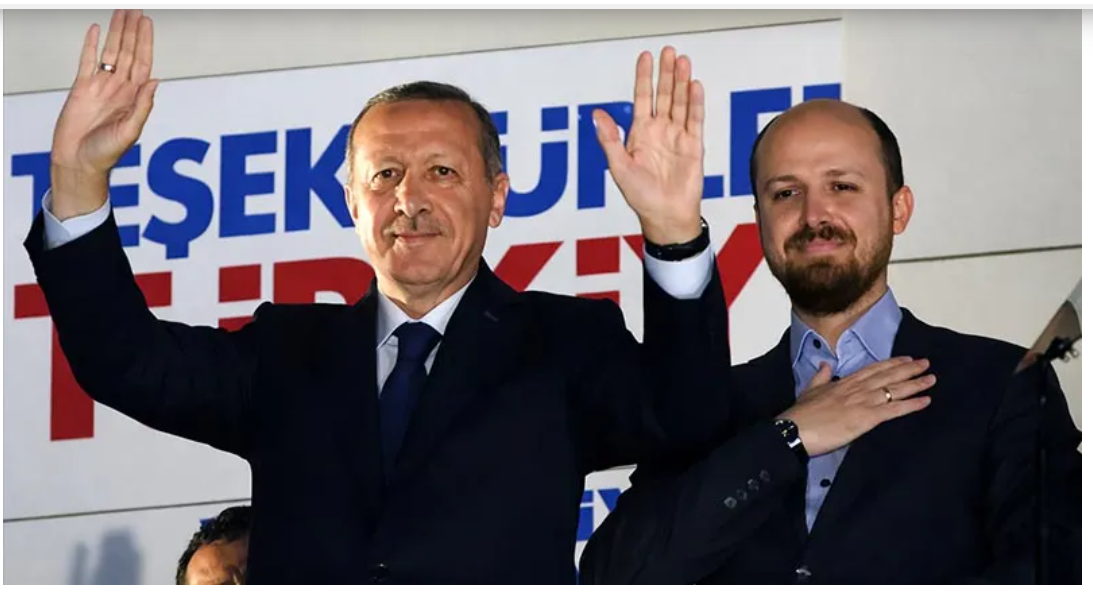 bilal rte
Turkish President Recep Tayyip Erdoğan’s latest cabinet reshuffle—appointing new justice and interior ministers—has triggered fierce debate in parliament and raised concerns about democratic backsliding. Analysts argue the move strengthens executive control over the judiciary and law enforcement at a politically sensitive moment, as speculation grows over succession within the ruling AK Party. Some observers see the reshuffle as part of a broader strategy to prepare the ground for a potential leadership transition involving Erdoğan’s son, Bilal Erdoğan.
Parliament Clashes Over Key Appointments
On February 11, tensions escalated in Turkey’s parliament as lawmakers clashed over President Recep Tayyip Erdoğan’s decision to appoint new justice and interior ministers.
Cabinet reshuffles are not unusual in Erdoğan’s administration. Over the years, they have often served as mechanisms to reinforce loyalty and recalibrate political strategy. However, this latest move has attracted heightened scrutiny due to its timing and the critical portfolios involved.
The newly appointed officials—Justice Minister Akın Gürlek and Interior Minister Mustafa Çiftci—assume control of ministries that oversee the judiciary, law enforcement, and internal security. Their appointments come amid speculation over potential constitutional changes and debates about the timing of Turkey’s next general election.
Justice Ministry Appointment Draws Particular Attention
Justice Minister Akın Gürlek’s appointment has generated strong reactions from opposition figures, particularly within the Cumhuriyet Halk Partisi (CHP).
Before joining the cabinet, Gürlek served as Istanbul’s chief public prosecutor, where he was involved in high-profile investigations concerning opposition politicians and journalists. Critics have described his record as reflecting a tough prosecutorial approach toward government critics.
One of the most controversial cases during his tenure involved the arrest of Istanbul Mayor Ekrem İmamoğlu, a prominent CHP figure and former presidential candidate. The charges and legal proceedings surrounding İmamoğlu have been widely debated domestically and internationally.
As justice minister, Gürlek now presides over the Judges and Prosecutors Council (HSK), the body responsible for appointing, promoting, and disciplining judges and prosecutors. This position grants substantial influence over Turkey’s judicial system.
Shortly after his appointment, prosecutors in Istanbul detained a local CHP youth branch leader over a social media post critical of Gürlek, further intensifying political tensions.
Interior Ministry and Security Apparatus
Mustafa Çiftci, previously governor of Erzurum, has taken over the Interior Ministry. The ministry oversees police forces and domestic security agencies.
Çiftci has been associated with the Turkish Youth Foundation (TÜGVA), an organization whose board includes Bilal Erdoğan. His appointment has been interpreted by some commentators as strengthening networks aligned with the president’s inner circle.
Observers note that the Interior Ministry plays a crucial role during elections, given its authority over security operations and public order. Recent years have already seen heavy police responses to protests, including demonstrations related to opposition political figures.
Yavaş: “If There Will Be an Operation in Ankara, It’s Clear Who It Would Target”
Bilal Erdoğan’s Growing Public Role
Since late 2025, Bilal Erdoğan—son of President Erdoğan—has assumed a more visible public presence. Although he does not hold elected office, he has longstanding ties to civic and educational organizations and maintains connections within political and business circles.
Speculation about succession within the ruling Adalet ve Kalkınma Partisi (AK Party) has intensified as President Erdoğan enters what is widely expected to be his final presidential term under the current constitutional framework.
Some analysts argue that consolidating control over key state institutions could smooth a potential leadership transition within the AK Party. Others caution that succession politics remain fluid and could trigger internal competition among senior figures, including Foreign Minister Hakan Fidan.
Electoral Timing and Political Strategy
Turkey’s next scheduled presidential and parliamentary elections are set for May 2028. While opposition parties have called for early elections, the ruling coalition has not indicated support for such a move.
Public dissatisfaction over economic conditions has affected approval ratings, making an early vote politically risky for the government. In this context, strengthening institutional control may serve as a strategy to manage political risks over the medium term.
If Bilal Erdoğan were to assume a senior leadership role within the AK Party in the coming years, observers suggest it could position him as a natural successor. However, any leadership transition would ultimately depend on electoral dynamics, party consensus, and broader public sentiment.
OPINION: Erdogan wants to redesign politics with Akin Gurlek
Is Turkish Democracy at a Turning Point?
Critics argue that expanding executive influence over the judiciary and security apparatus further weakens institutional checks and balances. Supporters of the government counter that strong leadership is necessary to maintain stability amid regional and domestic challenges.
Despite concerns about democratic backsliding, Turkey continues to hold competitive elections with active opposition participation. The outcome of future elections—whenever they occur—will determine whether succession plans materialize or face resistance at the ballot box.
For now, the cabinet reshuffle underscores the centralization of power within the presidency and signals that Turkey’s political landscape may be entering a new and decisive phase.
Reprinted with author’s permission
PA Turkey intends to inform Turkey watchers with diverse views and opinions. Articles on our website may not necessarily represent the view of our editorial board or count as endorsement.
Follow our English YouTube channel (REAL TURKEY):
https://www.youtube.com/channel/UCKpFJB4GFiNkhmpVZQ_d9Rg
Twitter: @AtillaEng
Facebook: Real Turkey Channel: https://www.facebook.com/realturkeychannel/
Related articles
Europe’s Security Architecture ‘Falls Short’ Without Türkiye, Erdoğan Says
Can Trump and Erdoğan Bridge the Gap the Second Time Around?
OPINION: Özel throws down the gauntlet, claims CHP will win next election big