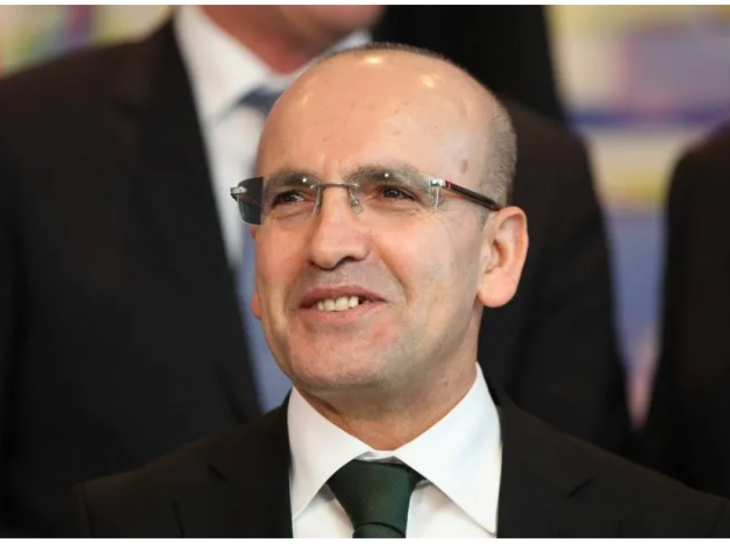
Şimşek Says “There Is Progress and Results” as Türkiye Pushes Ahead With Disinflation Program
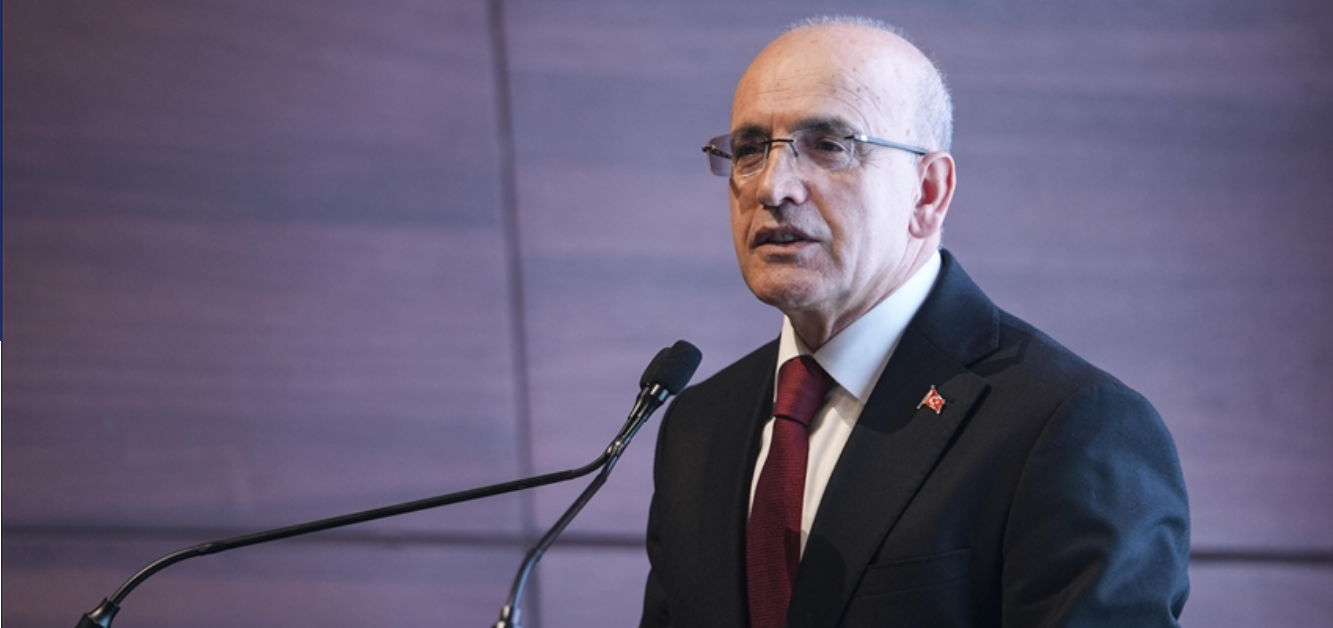 mehmet simsek
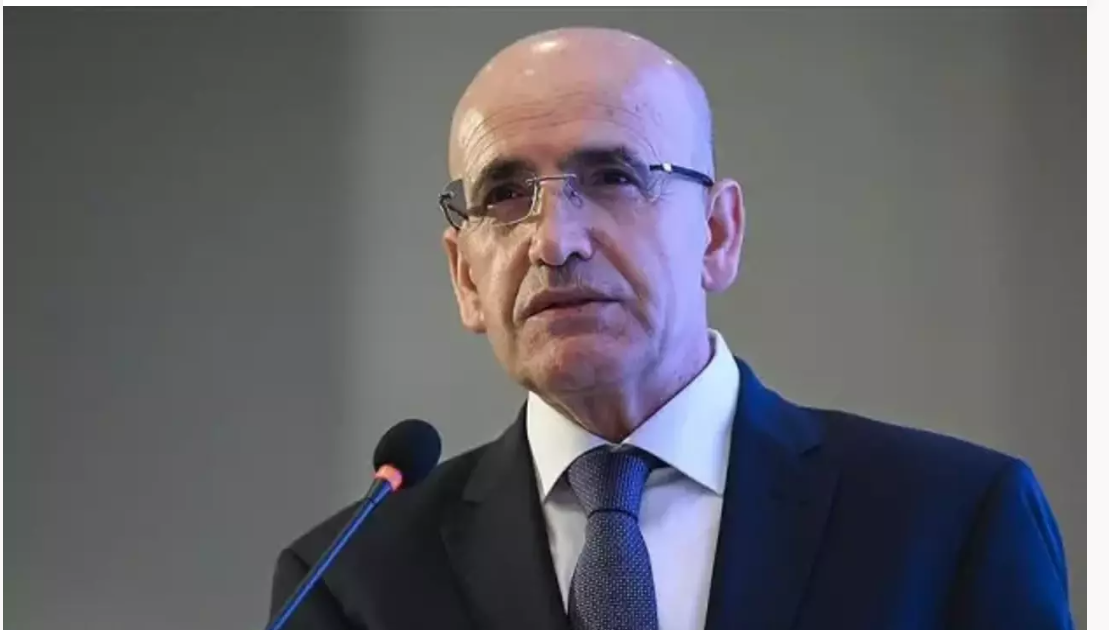
Turkish Treasury and Finance Minister Mehmet Şimşek said the government’s economic program is delivering results, citing falling inflation, strengthened fiscal discipline and rising service exports. Speaking at the “Economic Outlook 2026” event in Istanbul Finance Center, Şimşek argued that global uncertainty has become the “new normal,” but maintained that Türkiye is relatively well positioned against geopolitical shocks and trade fragmentation.
“There Are Problems, But There Are Also Major Opportunities”
Mehmet Şimşek addressed private sector and banking representatives at the Istanbul Finance Center, outlining the government’s economic roadmap for 2026.
Şimşek acknowledged existing economic challenges but urged a focus on opportunities.
“There are problems, yes — but there are also major opportunities,” he said.
He highlighted Türkiye’s growing global footprint in television series exports, noting that the country ranks among the top three worldwide. He also pointed to Istanbul’s emergence as a hub in the video game industry.
Geopolitical Risks and Export Strategy
Şimşek said uncertainty in the global economy — driven by geopolitical tensions and rising protectionism — has become structural.
However, he argued that Türkiye is relatively prepared:
-
A significant share of exports goes to countries with free trade agreements.
-
Trade is concentrated in nearby regions, reducing exposure to distant supply disruptions.
-
Connectivity projects such as the Middle Corridor and the Development Road Project are strengthening logistics capacity.
He added that next-generation trade agreements covering public procurement, services and agriculture are under discussion.
Strong Performance in Services
Şimşek emphasized the importance of the services sector, stating that Türkiye posted a $63.5 billion surplus in services trade last year.
Tourism, healthcare and education were highlighted as key contributors. He noted that the number of international students in Türkiye has reached 380,000, with a medium-term target of 500,000.
In the defense sector, he said 1,400 products are currently in development and described the industry as a foundation for a “hybrid innovation model” in Turkish manufacturing.
Fiscal Discipline Despite Earthquake Spending
Şimşek said approximately $90 billion has been spent on reconstruction in earthquake-affected regions.
Despite these expenditures, he noted that the budget deficit has been kept at 2.9% of GDP. He said fiscal discipline remains intact and that additional resources will be directed toward defense and technological transformation.
Medium-term targets include:
-
Keeping the budget deficit below 3% of GDP
-
Reducing the current account deficit below 1%
SAMEKS Signals Sharp Slowdown in February as Composite Index Falls Below Threshold
Inflation: “There Is Progress”
Şimşek outlined a three-phase economic program:
-
Managing financial risks
-
Launching the disinflation process
-
Bringing inflation down to single digits
He said the exit from the FX-protected deposit scheme (KKM) has been managed successfully.
Inflation, which peaked at 85% in October 2022, ended that year around 64–65%, he said. It currently stands near 31%.
The Central Bank’s 12-month forward target range is 15–21%, while market expectations are around 21–22%.
“There is progress, there are results, there is success,” Şimşek said.
He added that services inflation has fallen from 91% to around 40%, goods inflation from 56% to 25–26%, and core goods inflation to 17.5%.
“This Is a Multi-Dimensional Program”
Addressing criticism, Şimşek said monetary policy alone is not expected to solve all structural challenges.
“We are implementing an integrated, multi-dimensional and consistent program,” he said.
He rejected claims that the program relies on short-term capital inflows, noting that measures have been taken to discourage speculative “hot money.” Reserve requirement ratios on certain short-term inflows were raised, he said, marking the first time such steps were taken to limit volatile capital.
“There is a program in place, and it is producing results. It will continue to do so,” Şimşek added.
Why Should Inflation Fall in 2026?
Responding to questions about whether inflation can continue declining in 2026, Şimşek said monetary, fiscal and income policies remain aligned and supportive.
He stressed that administered and regulated prices will be set in line with targeted inflation, reinforcing the broader disinflation path.
Artificial intelligence, autonomous systems and robotics will transform all sectors in less than two decades, he added, arguing that this technological shift will reshape competitiveness far faster than previous industrial revolutions.
PA Turkey intends to inform Turkey watchers with diverse views and opinions. Articles in our website may not necessarily represent the view of our editorial board or count as endorsement.
Follow our English YouTube channel (REAL TURKEY):
https://www.youtube.com/channel/UCKpFJB4GFiNkhmpVZQ_d9Rg
Twitter: @AtillaEng
Facebook: Real Turkey Channel: https://www.facebook.com/realturkeychannel/
Related articles
Türkiye’s Economic Program Proves Resilient Amid Dual Shocks, Says Finance Minister
Lira at 45, Inflation Down: ING’s New Turkey Outlook
Şimşek Welcomes Fitch Outlook Upgrade, Signals Crackdown on Hot Money Inflows