Secularism Under Fire: Turkey’s Education Ministry Sparks Controversy with “Ramadan Circular” and Lawsuits Against Intellectuals
 me bakanı dallama
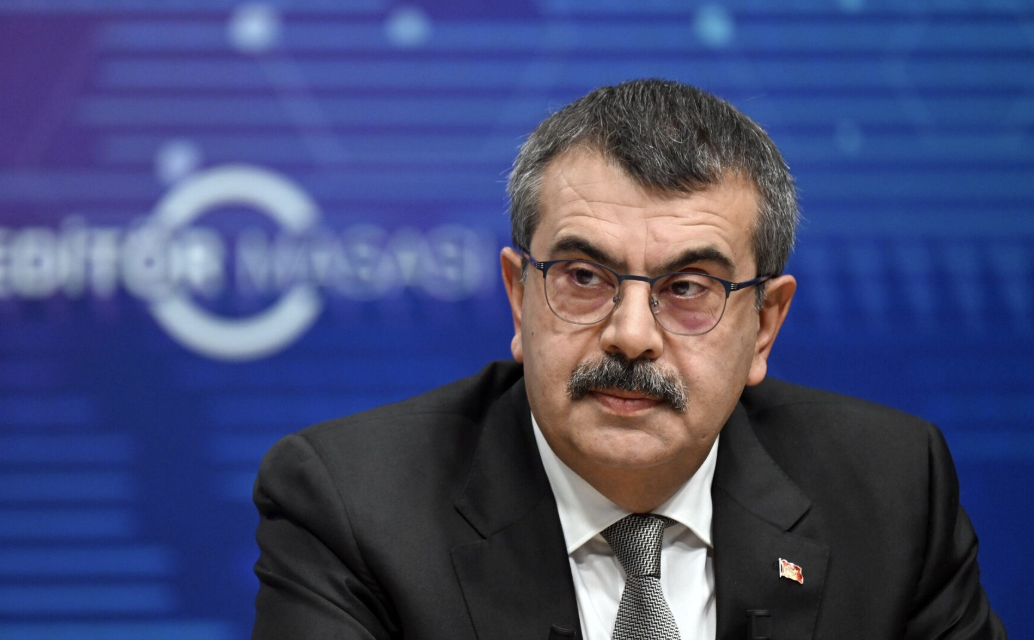
Turkey’s education landscape is becoming the frontline of a fierce battle over secularism. Education Minister Yusuf Tekin has announced legal action against 168 intellectuals who signed a declaration titled “Defending Secularism Together,” while simultaneously implementing a nationwide “Ramadan Activities Guide” in public schools.
The tension highlights a deepening divide in Turkish society as the government integrates religious themes into the core curriculum under the “Century of Turkey Education Model,” while secularist groups warn of a systematic “Islamization” of the youth.
The “Secularism” Lawsuit: Intellectuals vs. the Ministry
A group of 168 prominent figures—including legendary economist Korkut Boratav, actress Müjde Ar, and author Ayşe Kulin—published a manifesto warning that Turkey is under a “clerical-sharia siege.” The text argues that secular education and legal order are being dismantled step-by-step.
Minister Yusuf Tekin’s response was swift and litigious. He accused the signatories of “malicious intent” and “reading into things that don’t exist.”
-
The Comparison: Tekin sparked further debate by comparing Ramadan activities to secular or Western traditions. “In their eyes, celebrating Christmas or Halloween is not against secularism, but when it comes to Ramadan activities—a part of our cultural heritage—they suddenly remember secularism,” Tekin stated.
-
The Defense: The Minister maintains that the Ramadan circular is based on “volunteering” and contains no religious imposition, accusing critics of trying to revive the “February 28” (1997 post-modern coup) era mentality.
Field Report: 170 Schools in Bursa Placed on “Ramadan List”
The theoretical debate has already hit the ground. In Bursa alone, 170 schools have been officially scheduled for “Ramadan Heart of Education” events.
-
Concerns of Imposition: Teachers’ unions, such as TÖBSEN, argue that public education must remain a neutral space for all citizens. “Shaping education around a single religion or sect is a clear violation of the Constitutional principle of secularism,” said TÖBSEN President Deniz Ezer.
-
The “Volunteering” Shield: While the Ministry claims participation is voluntary, critics argue that peer pressure and school administration preferences make these activities de facto mandatory for students who do not wish to be marginalized.
The Human Cost: Alleged “Exile” of Secularist Teachers
The controversy is not limited to circulars; it involves serious allegations of administrative pressure. The union Eğitim-İş recently highlighted the case of teacher İsmibey Güşeli, who has reportedly been forced to change schools three times since 2011 due to his secularist stance.
-
The Allegation: The union claims Güşeli was questioned about his Alevi identity during official investigations—a move they describe as “blatant discrimination.”
-
The Systematic Pressure: Union representatives argue this is not just about one teacher, but a broader attempt to institutionalize a “monotype” religious ideology within the school system by exiling those who resist the influence of religious foundations and cults in schools.
Analysis: A Shift from “Neutrality” to “Cultural Heritage”?
The current administration’s strategy appears to be redefining secularism. While the traditional Turkish Republican definition focused on the strict separation of state (and education) from religion, the Ministry is moving toward a model where Sunni-Islamic practices are framed as “national and moral values” or “cultural heritage.”
The Conflict: By framing Ramadan activities as “cultural” rather than “religious,” the Ministry seeks to bypass secularist legal hurdles. However, for the 168 intellectuals and various education unions, this is a “Talibanization” of the state. As President Erdoğan himself weighed in, calling the critics a “frenzied mob” unable to tolerate the nation’s faith, the divide suggests that 2026 will be a year of heightened ideological polarization in Turkish classrooms.
PA Staff