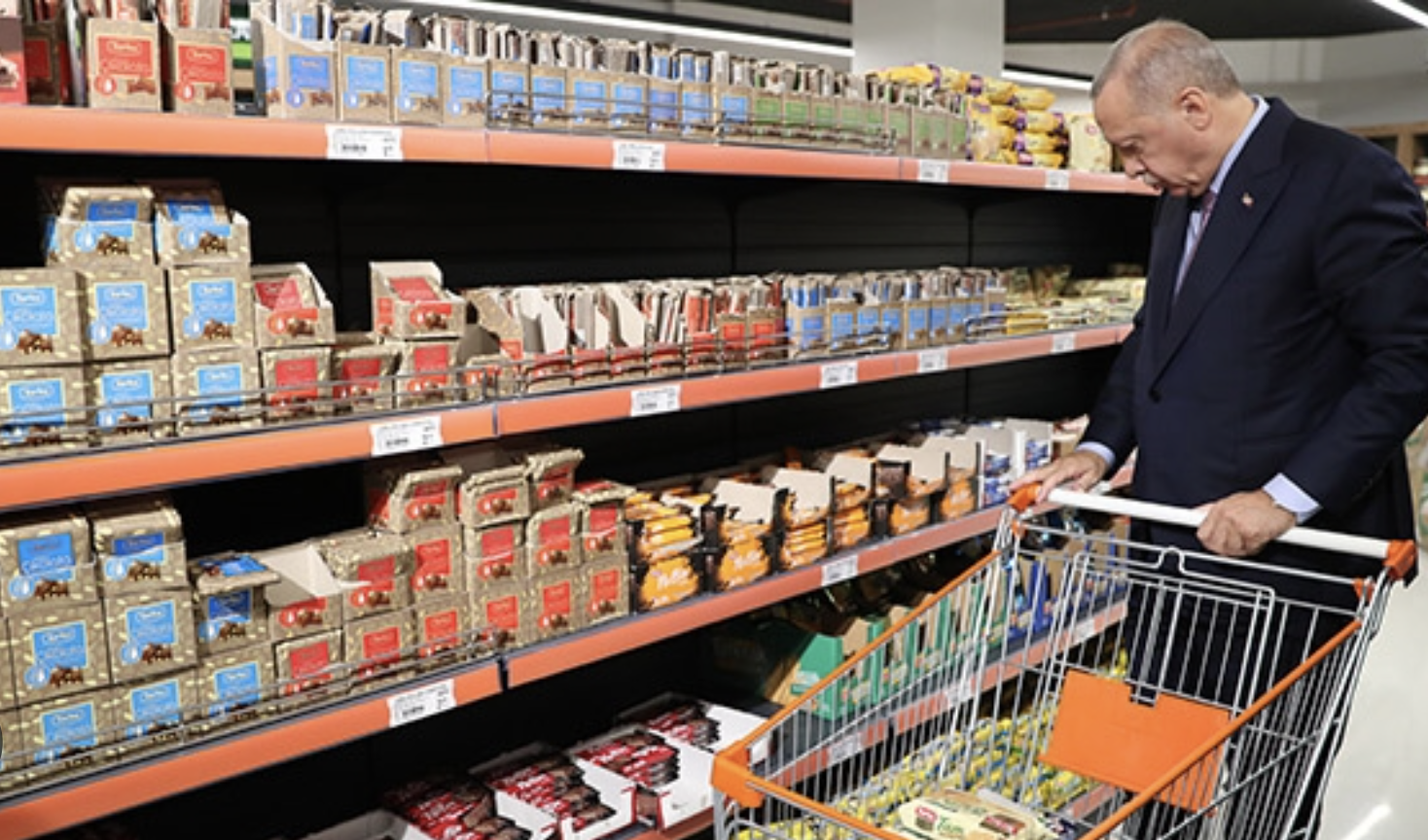
Rising Food Inflation Hits Poultry Sector as Cost Pressures Mount
 Fast Food
Food inflation’s renewed momentum at the start of the year has begun to ripple through Turkey’s white meat (poultry) sector, triggering warnings from industry representatives about looming price increases and structural stress. The Association of Poultry Meat Producers and Breeders (BESD-BİR) says that even though the industry achieved record production levels in 2025, mounting costs, domestic supply-demand imbalances, and export restrictions are placing producers under severe financial pressure.
According to sector representatives, poultry prices are now facing upward pressure similar to red meat, despite chicken traditionally being viewed as the most affordable animal protein for consumers. The developments highlight how inflationary dynamics and policy decisions are reshaping Turkey’s broader food market.
Record Output, Shrinking Profitability
BESD-BİR emphasizes that high production volumes have not translated into financial stability. Instead, producers are struggling with rising input costs—particularly feed, energy, and logistics—while being constrained by policies that limit their ability to balance excess supply through exports.
BESD-BİR President Naci Kaplan underlined that export quotas introduced in 2024 disrupted a critical stabilizing mechanism for the sector. As Kaplan explained, the industry had long relied on exports to absorb surplus production and maintain price balance in the domestic market.
“We used to balance excess production through exports, but the quota disrupted this mechanism. Our exports fell from 600,000 tons to 500,000 tons. At the moment, we are selling below cost. In the long run, this could trigger bankruptcies or the sale of production facilities.”
The decline in exports has not only reduced revenues but has also damaged Turkey’s credibility in global poultry markets, where consistency and reliability are key to maintaining long-term trade relationships.
Expected Price Increases at the Retail Level
Industry sources warn that if the anticipated 25% price increase materializes, consumers will face noticeable changes on supermarket shelves. Based on sector projections, poultry prices could shift as follows:
Whole Chicken: 90 TL ➝ 113 TL
Chicken Wings: 260 TL ➝ 325 TL
Grilled Thigh: 190 TL ➝ 238 TL
Drumsticks: 120 TL ➝ 150 TL
Chicken Cutlets: 140 TL ➝ 145 TL
While some products may see more moderate increases, others—particularly popular cuts—are expected to rise sharply, reinforcing concerns over food affordability amid persistently high inflation.
Red Meat Crisis Pushes Consumers Toward Poultry
The pressure on the poultry sector is unfolding alongside a deepening red meat crisis, driven by rising costs, import constraints, and supply shortages following animal disease outbreaks. As beef and lamb prices climb, consumers are increasingly turning to chicken as a substitute protein source.
This shift is clearly reflected in consumption data. Per capita poultry consumption in Turkey has reached 27 kilograms annually, marking a record level. In contrast, turkey meat consumption remains limited to around 600 grams per person per year, underscoring the dominance of chicken in household diets.
The surge in demand has intensified pressure on producers already grappling with thin margins, further complicating the balance between consumer affordability and industry sustainability.
Export Quotas Disrupt Market Equilibrium
According to BESD-BİR, export restrictions have amplified the mismatch between production capacity and domestic demand. While Turkey continues to produce at historically high levels, limited access to international markets has led to oversupply at home, forcing producers to sell at prices that fail to cover rising costs.
Industry leaders warn that prolonged losses could reverse years of investment and modernization, effectively pushing the sector back a decade in terms of financial resilience and growth capacity. If unresolved, the situation could lead to consolidation, facility closures, or reduced production—outcomes that would ultimately undermine food security.
Food Safety Warnings for Consumers
Amid rising prices, BESD-BİR has also issued critical food safety warnings following an increase in reported food poisoning cases. Kaplan stressed that these incidents are rarely linked to production processes and are more often caused by improper handling at the consumer level.
Key warnings include:
Reheating Risk: Poultry meat should not be reheated multiple times, as this significantly increases the risk of bacterial growth.
Packaging Matters: Consumers are urged to choose packaged products with clearly visible expiration dates rather than open or unpackaged meat.
These precautions, industry representatives argue, are essential to protecting public health, especially as consumption volumes rise.
Hormone Claims Rejected by Industry
Addressing long-standing public concerns, Kaplan also firmly rejected claims that hormones are used in poultry production. He argued that such practices are technically and economically impossible in a sector that processes approximately 6 million birds per day.
According to Kaplan, administering individual injections on this scale would be logistically unfeasible and prohibitively expensive. He emphasized that poultry in Turkey is fed natural, grain-based feed, primarily corn, soy, and wheat.
A Sector at a Crossroads
Despite record output and soaring consumption, Turkey’s poultry industry finds itself at a critical juncture. Rising costs, constrained exports, and intensifying demand are creating a fragile equilibrium that threatens both producers and consumers.
Without policy adjustments to restore export flexibility and address cost pressures, industry representatives warn that price stability will remain elusive. For now, poultry—long seen as a buffer against food inflation—appears increasingly vulnerable to the same forces reshaping the wider meat and food markets.
Related articles
Turkey Tops Europe in Food Insecurity as Meat Prices Surge

Şimşek Says Disinflation Has Spread Across Economy as 2025 Inflation Falls
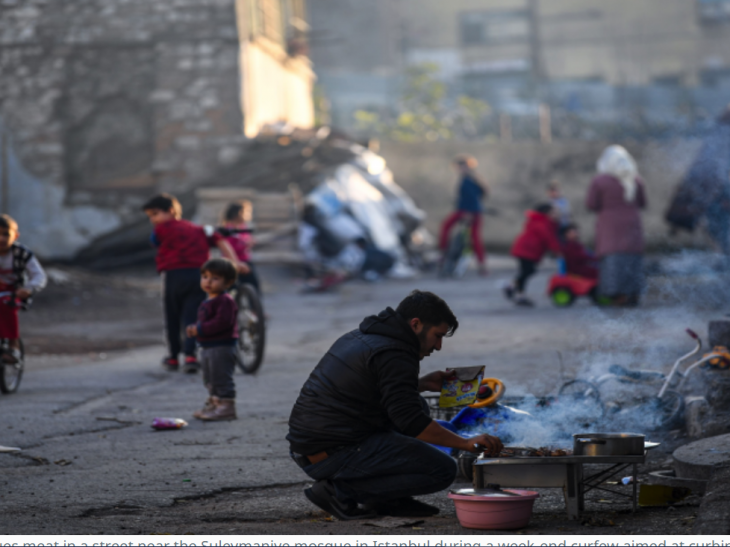
Hunger Line in Turkey Tops 31,000 TL as Living Costs Surge