TRIPP Project: Washington’s Strategic Play to Redefine the South Caucasus, Turkey’s Windfall
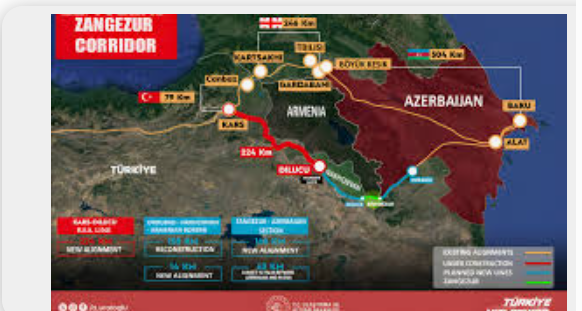 TRIPP road
The geopolitical landscape of the South Caucasus is undergoing a seismic shift as the Trump Route for International Peace and Prosperity (TRIPP) gains significant momentum. According to a recent analysis by Fitch Solutions, the United States has successfully positioned itself as the primary strategic alternative to Russia for both Baku and Yerevan, marking a new era of Western engagement in the region.
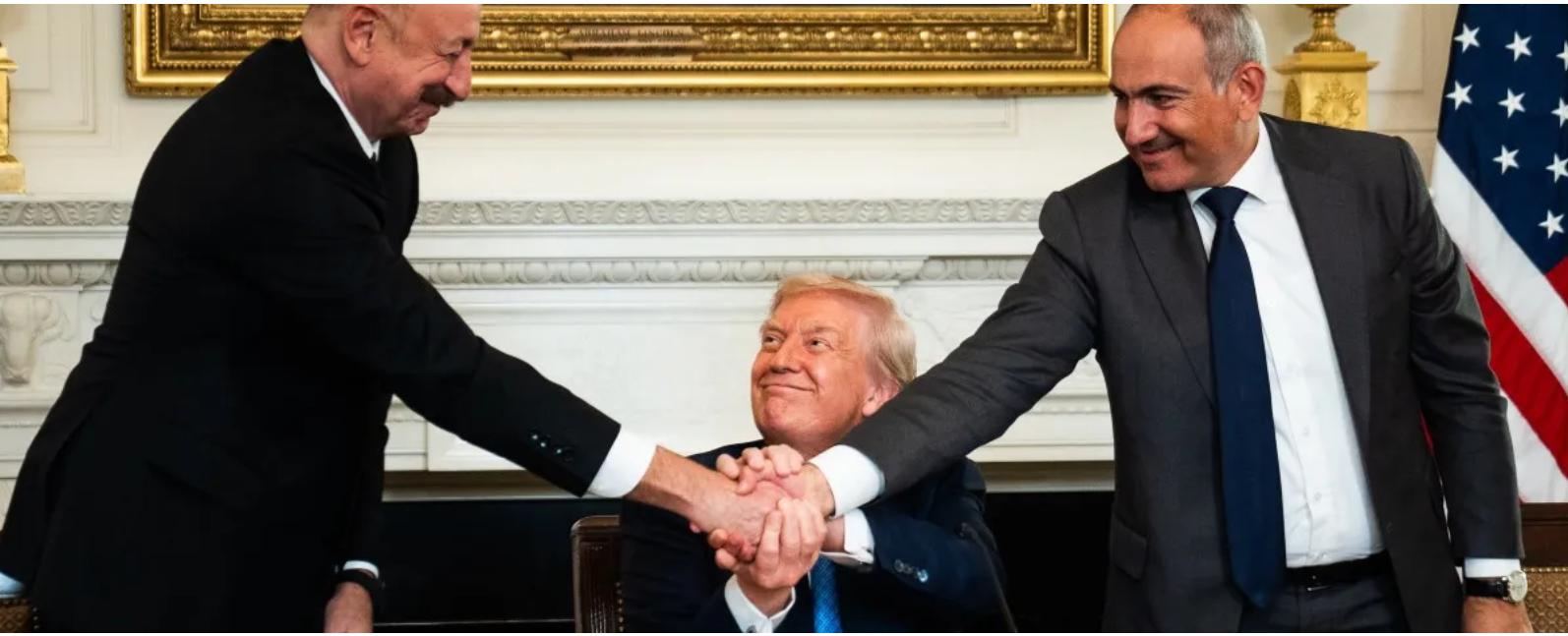
The project, which emerged following the landmark August 2025 summit in Washington, aims to solidify the preliminary peace agreement between Azerbaijan and Armenia by creating a vital transit corridor.
A New Architecture of Regional Power
Under the definitive agreements signed in January 2026, the TRIPP project is not merely a commercial endeavor but a US-led strategic asset. Washington holds a commanding 74% stake in the initiative, ensuring direct oversight of the corridor that connects mainland Azerbaijan with its exclave, Nakhchivan, and onwards to Türkiye.
During a high-level regional tour in February 2026, US Vice President J.D. Vance reaffirmed that Washington is prepared to mobilize “billions of dollars” for the project. The US commitment extends beyond transit, including:
-
Energy Transition: Replacing Armenia’s aging Metsamor Nuclear Plant with American small modular reactors.
-
Infrastructure: Modernizing maritime logistics in Azerbaijan to cement its status as a global transit hub.
-
Resource Security: Developing critical mineral supply chains to decouple the region from Russian dependence.
Tehran’s Security Dilemma: The “NATO on the Border” Fear
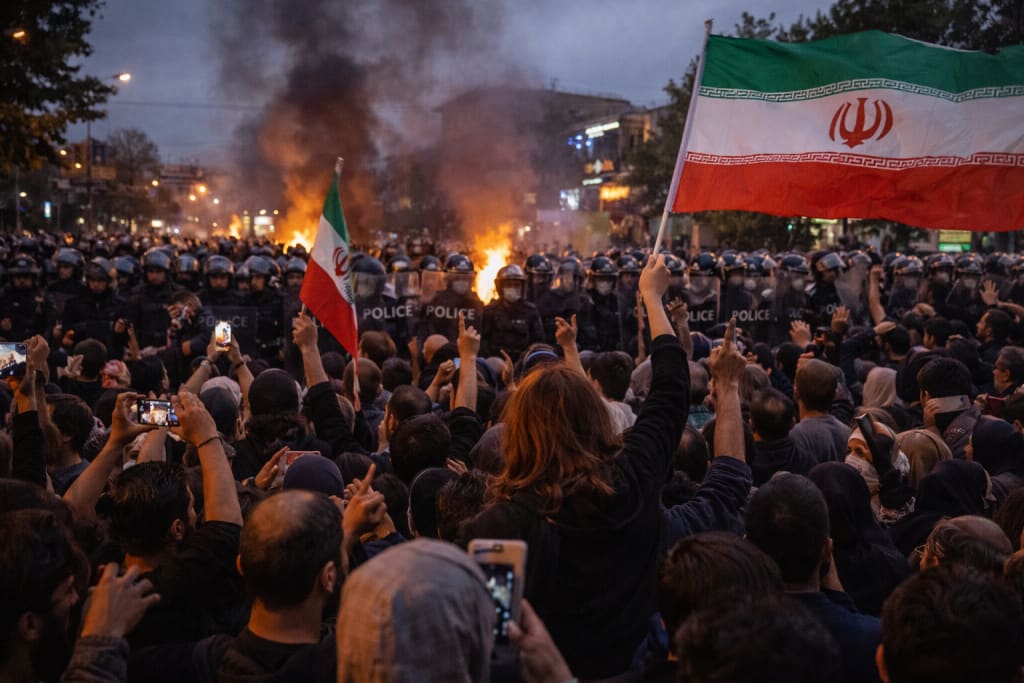
While Baku and Yerevan embrace the economic prospects, the TRIPP project has hit a wall of resistance in Tehran. Iranian officials and analysts view the corridor as a reconfiguration of regional forces that threatens Iranian national security.
Aram Shahnazaryan, editor of the Iran-based Alik daily, warns that Tehran views the economic benefits of TRIPP as secondary to its geopolitical implications. “The main issue is a shift in the regional security balance,” Shahnazaryan noted during a recent forum. Tehran’s primary concerns include:
-
Western Military Presence: The potential involvement of NATO-member security forces to guard the corridor.
-
Bypassing Iran: The project risks marginalizing Iran’s role as a transit state, diminishing its leverage in regional security.
-
Israeli Influence: Concerns that the corridor could facilitate an Israeli presence in Armenia.
While a “harsh” military response from Iran is deemed unlikely, experts expect Tehran to accelerate its own North–South Transport Corridor to counterbalance the US-led route.
Turkey’s Multi-Billion Dollar Windfall
For Türkiye, the TRIPP project represents a transformative economic opportunity. By positioning itself as the western terminus of this “Middle Corridor,” Ankara stands to capture massive revenues and strategic influence.
| Benefit Category | Estimated Annual Impact (By 2030) |
| Transit & Logistics | $10–$15 Billion in direct revenue |
| Regional Exports | 310% increase in Eastern Anatolian capacity |
| Infrastructure Investment | $5 Billion in initial U.S. deals |
| Energy Savings | 10–15% reduction in import costs |
Turkey has already committed approximately $3.4 billion for the construction of the 224-km rail link (Kars–Dilucu) required to bridge the corridor. Beyond the numbers, TRIPP serves as the physical backbone for the Organization of Turkic States, a key pillar of Turkish foreign policy.
Analysis: A Post-Russia Caucasus
The speed at which the TRIPP project is moving underscores the waning influence of Moscow in its “near abroad.” By linking peace to prosperity through American-controlled infrastructure, the U.S. is effectively building a “buffer of stability” that aligns the interests of Baku, Yerevan, and Ankara, while simultaneously encircling Iranian interests.
Related articles
Trump’s ‘Peace Through Construction’ Has One Real Test Case: The South Caucasus
Drone Ignites Turkish LNG Tanker Near Romania, as Ankara Prepares to Renegotiate Gas Deals with Moscow

How the New Era of Global Energy Politics Is Reshaping the World Order