



Ramadan 2026: Free Bridge Pass Decision Amid Privatization
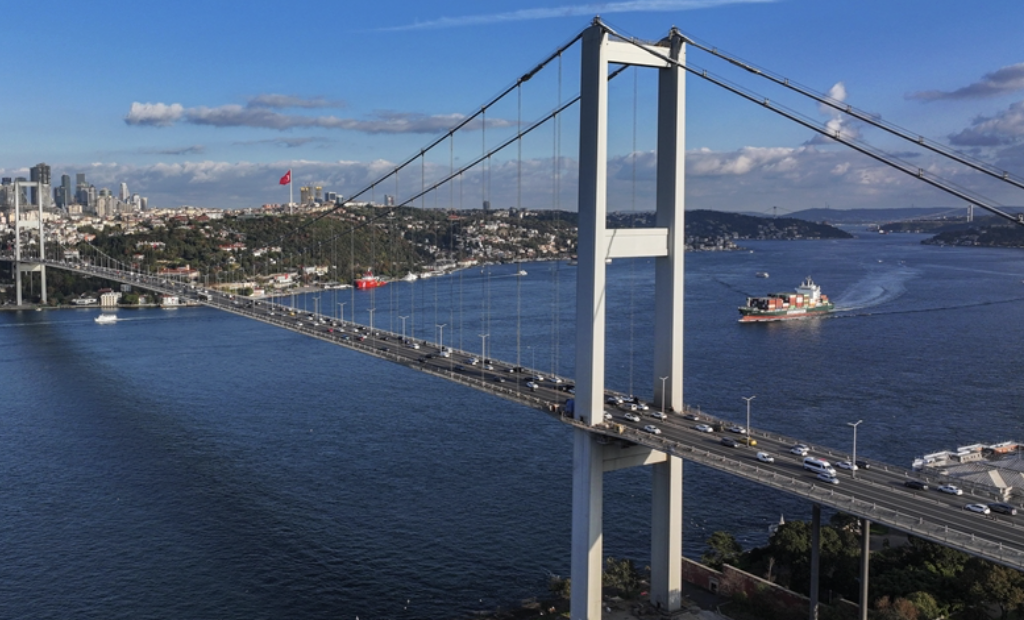 Bosphorus Bridge
As Turkey prepares for the festive season, the government has officially enacted the traditional free transit decree for public toll roads and bridges. Starting from the eve of Ramadan 2026, citizens will be able to cross the 15 Temmuz Şehitler Bridge and the Fatih Sultan Mehmet Bridge, as well as highways operated by the General Directorate of Highways (KGM), without charge. However, this year’s holiday joy is tempered by a heated political debate regarding the potential privatization of these critical infrastructure assets.
The Privatization Warning: “The Last Free Holiday?”
While the current decree provides temporary relief for travelers, CHP Zonguldak Deputy Deniz Yavuzyılmaz has raised a significant alarm regarding the future of these routes. Highlighting the government’s strategic plan to outsource the management of seven major highways and the iki iconic Bosphorus bridges, Yavuzyılmaz suggested that the 2026 Ramadan free bridge pass might be the last of its kind. He argued that once these roads are handed over to private operators, the “free holiday” tradition—which does not currently apply to private Build-Operate-Transfer (BOT) projects—will likely end.
Yavuzyılmaz emphasized that these roads have already been paid for multiple times over through decades of taxpayer contributions. He criticized the move toward a private-sector model, noting that private highways remained paid even on national holidays, creating a tiered transit system that favors corporate profit over public service.
Government Response: Maintenance Costs vs. Privatization
In response to the growing public concern, Minister of Transport and Infrastructure Abdulkadir Uraloğlu clarified that the state is not “selling” the bridges but investigating a “transfer of operating rights.” The Minister described roads as “living organisms” that require light maintenance every 10 years and heavy structural maintenance every 20 years.
According to Minister Uraloğlu, the aging infrastructure of Turkey’s core highway network has reached a stage where heavy maintenance costs are placing a significant burden on the national budget. The government’s current study explores whether transferring operating rights for a specific period could shift these maintenance costs to private operators while generating immediate revenue for the treasury. He maintained that the ownership of the land and infrastructure remains with the state, though he did not explicitly guarantee that holiday exemptions would continue under private management.
Transit Guide for Ramadan 2026
For those planning to travel during the holiday, the following routes are confirmed as free of charge:
-
15 Temmuz Şehitler Bridge (First Bridge)
-
Fatih Sultan Mehmet Bridge (Second Bridge)
-
All highways are directly managed by the General Directorate of Highways (KGM).
Note: The Yavuz Sultan Selim Bridge (Third Bridge), the Osmangazi Bridge, and the 1915 Çanakkale Bridge are operated under the Build-Operate-Transfer model and are excluded from the free transit decree.