



Public Sector Pay Rises Finalized After December Inflation Data
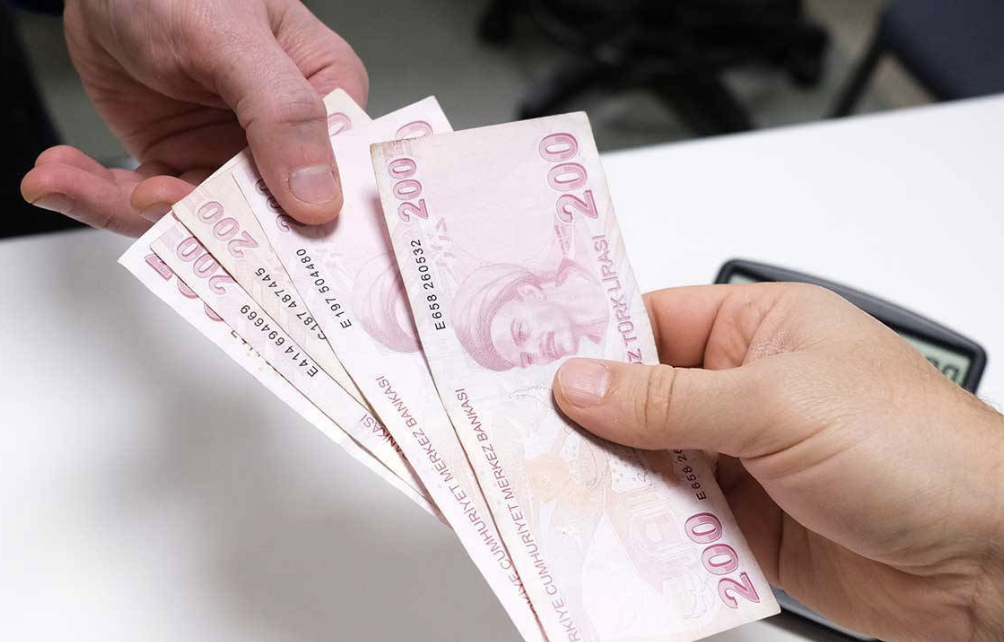 Wages in Turkey
Millions of public employees and retirees have gained clarity over their income outlook after the Turkish Statistical Institute (TÜİK) released its highly anticipated December inflation figures. With monthly inflation recorded at 0.89%, the data finalized salary and pension increase rates that will apply during the first six months of the new year, directly affecting civil servants, workers, and retirees across Turkey.
The figures, announced by TÜİK at 10:00 a.m., showed that annual inflation reached 30.89% in December 2025. Based on these results, wage adjustments for SSK and Bağ-Kur retirees, as well as for civil servants and civil servant retirees, were calculated in line with existing legislation. The outcome has been closely watched, as inflation-linked increases play a crucial role in protecting incomes amid rising living costs.
Inflation Data Sets the Framework for Wage Adjustments
Under Turkey’s current system, pension and salary increases are directly tied to inflation outcomes. For SSK and Bağ-Kur retirees, the adjustment reflects the six-month inflation rate for the second half of the year, while civil servants benefit from both collective bargaining raises and inflation differentials.
With the addition of December inflation to the previous five months’ data, the adjustment rates became definitive. As a result, SSK and Bağ-Kur retirees will see a monthly increase of 12.19%, while civil servants and civil servant retirees will receive a total increase of 18.60% in their salaries and pensions for the first half of the year.
These rates now serve as the official baseline, often referred to as the “root increase”, meaning they are calculated strictly according to statutory formulas without any discretionary additions.
12.19% Increase for SSK and Bağ-Kur Retirees
For retirees covered by SSK and Bağ-Kur, wage growth is determined entirely by realized inflation. Once the December figure of 0.89% was incorporated, the cumulative inflation for the final six months of the year was finalized.
Accordingly:
SSK and Bağ-Kur retirees’ pension increase rate: 12.19%
This adjustment will be reflected directly in monthly pension payments, impacting millions of households that rely primarily on retirement income. While the increase aims to offset rising prices, many retirees continue to monitor whether additional support mechanisms may be introduced in response to cost-of-living pressures.
18.60% Raise for Civil Servants and Civil Servant Retirees
Civil servants and retired civil servants benefit from a slightly different formula. Their pay adjustments consist of a collective agreement increase, supplemented by an inflation difference if price growth exceeds negotiated targets.
With December inflation data now finalized, the combined calculation resulted in the following outcome:
Civil servant and civil servant retiree salary increase: 18.60%
This higher rate reflects both contractual raises and compensation for inflation overshooting projections. The increase will apply to a broad range of public sector roles, from healthcare and education to security and administrative services.
Updated Salaries by Profession
Following the application of the 18.60% increase, updated civil servant salaries by profession have been recalculated. The new monthly figures illustrate how the adjustment translates across different roles and seniority levels.
Specialist Doctor (1/4): 150,577 TL
Professor (1/4): 133,059 TL
Engineer (1/4): 93,755 TL
Branch Manager (1/4): 91,928 TL
Chief Inspector (3/1): 89,345 TL
Research Assistant (7/1): 88,517 TL
Lawyer (1/4): 88,189 TL
Police Officer (8/1): 81,748 TL
Expert Teacher (1/4): 81,382 TL
Preacher (1/4): 76,804 TL
Nurse (5/1): 74,246 TL
Teacher (1/4): 73,520 TL
Technician (11/1): 65,693 TL
Civil Servant (9/1): 63,404 TL
These figures provide a concrete picture of how inflation-linked increases affect public-sector wages across professions, highlighting differences by role, grade, and seniority.
Attention Turns to Possible Welfare Adjustment
Although the announced rates are now final under existing rules, attention has quickly shifted to whether an additional “welfare share” (refah payı) will be introduced. Such adjustments are not automatic and depend on political decisions rather than statutory formulas.
Following the recent increase in the minimum wage, expectations have grown that the government may consider supplementary support for public employees and retirees to further protect purchasing power. Any such decision would come on top of the inflation-based increases already announced.
Observers note that President Recep Tayyip Erdoğan is expected to address the issue following a cabinet meeting, though no formal announcement has yet been made. Until then, the 12.19% and 18.60% increases remain the definitive figures for the first half of the year.
Inflation, Incomes, and Living Costs
The December inflation data once again underline the tight link between price dynamics and income policies in Turkey. While the slowdown in monthly inflation provided some relief, annual inflation at 30.89% continues to shape wage negotiations and public expectations.
For millions of households, the newly announced raises will determine spending capacity, savings behavior, and overall financial planning in the months ahead. Whether additional welfare-oriented adjustments are introduced could significantly influence how these increases translate into real purchasing power.
Related articles
Inflation Trends: Turkish Service Costs Hit 47-Month Low
Inflation Cooldown? Mehmet Şimşek Signals December Surprise Ahead
Inflation Hits 33% in Turkey, Economists Warn Rate Cuts No Longer Possible
