Prof Hakan Kara: When confidence indices rise, incumbents win
 anket akp
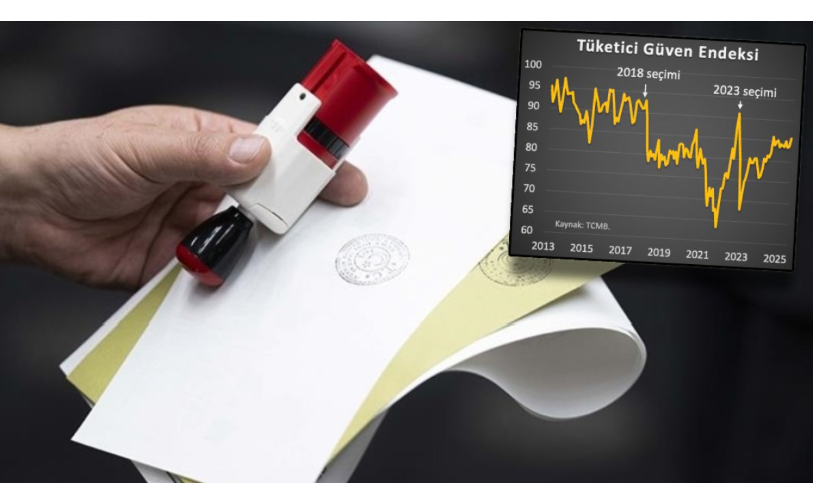
Rising Confidence Index Sparks Debate: “When It’s Above 90, Incumbents Usually Win”
Türkiye’s Real Sector Confidence Index (RKGE) rose in February 2026, signaling improved sentiment among manufacturing firms. At the same time, former Central Bank chief economist Prof. Dr. Hakan Kara drew attention to the Consumer Confidence Index, arguing that when it exceeds 90, incumbent parties tend to win elections. A new February poll by ALF Research shows the ruling AK Party and the main opposition CHP separated by just 0.4 percentage points, highlighting tightening political competition.
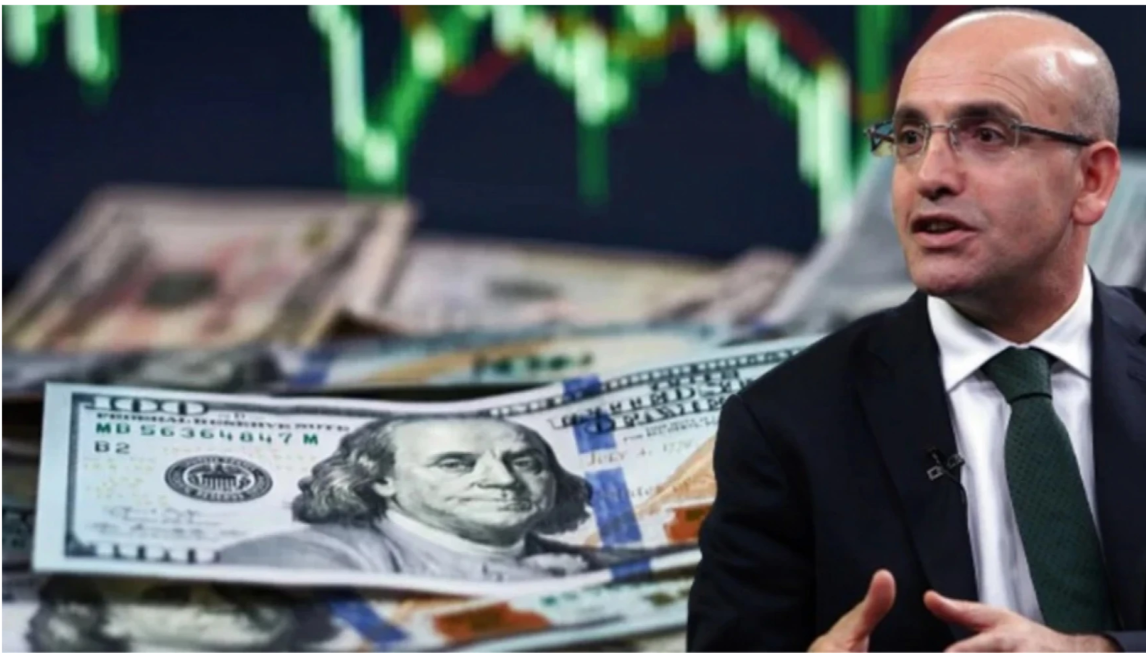
Former CBRT Research Head Prof Hakan Kara

Real Sector Confidence Climbs in February
According to the latest Economic Tendency Survey released by the Türkiye Cumhuriyet Merkez Bankası (TCMB), the Real Sector Confidence Index (RKGE), which reflects sentiment among manufacturing firms, increased in February 2026.
-
The seasonally adjusted RKGE (RKGE-MA) rose by 1.1 points month-on-month to 104.1.
-
The non-seasonally adjusted index increased by 2.5 points, also reaching 104.1.
The survey, based on responses from 1,773 manufacturing firms, suggests broadly optimistic conditions in the industrial sector.
What Drove the Increase?
Key components supporting the rise included:
-
Total orders received over the past three months
-
Production expectations for the next three months
-
Export order expectations
-
Assessments of current finished goods inventories
However, the index was partly weighed down by:
-
Weaker employment expectations for the next three months
-
More pessimistic views regarding the general economic outlook
Hakan Kara Links Confidence to Election Outcomes
Beyond the real sector data, economists have also focused on consumer sentiment indicators.
Prof. Dr. Hakan Kara, former chief economist at the TCMB and currently a faculty member at Bilkent University, shared a political interpretation of the Consumer Confidence Index via his X (formerly Twitter) account.
Referring to a chart covering the 2013–2025 period, including fluctuations around the 2018 and 2023 elections, Kara noted that the Consumer Confidence Index recently rose to 85.7.
He stated:
“I trust this index more than opinion polls. When it is above 90, incumbent parties generally win elections.”
Kara’s remark highlights the broader role of macroeconomic confidence indicators—not only in gauging market expectations but also in anticipating voter behavior and political dynamics.
February Poll: Gap Between AK Party and CHP Narrows
Meanwhile, new polling data suggest tightening competition between Türkiye’s two largest political parties.
According to a February survey conducted by ALF Araştırma, the gap between the ruling Adalet ve Kalkınma Partisi (AK Party) and the main opposition Cumhuriyet Halk Partisi (CHP) has narrowed significantly.
The poll was conducted face-to-face with 2,221 respondents nationwide between 9–13 February 2026. Participants were asked how they would vote if a general election were held this Sunday.
Vote Shares (Undecided Voters Distributed)
-
CHP: 33.8%
-
AK Party: 33.4%
-
DEM Party: 9.3%
-
MHP: 8.6%
-
İYİ Party: 3.0%
-
YRP: 2.9%
-
Zafer Party: 2.7%
-
A Party: 2.4%
-
Others: 3.9%
The difference between CHP and the AK Party stands at just 0.4 percentage points, indicating a highly competitive political environment.
Compared with previous survey periods, the AK Party appears to have increased its vote share and reduced the gap with the CHP to below half a point.
Confidence, Economy and Politics
The interaction between economic confidence indicators and electoral dynamics remains a key theme in Türkiye’s political economy.
-
The Real Sector Confidence Index suggests relative resilience in manufacturing sentiment.
-
Consumer confidence, while below the 90 threshold referenced by Kara, has shown signs of improvement.
-
Political polling points to intensifying competition between the ruling bloc and the opposition.
While economic indicators do not directly determine electoral outcomes, historical patterns suggest that sustained improvements in consumer sentiment can shape voter perceptions.
As Türkiye moves further into 2026, the trajectory of inflation, employment and growth—alongside confidence indicators—may prove central not only for markets but also for political strategy.
PA Turkey intends to inform Turkey watchers with diverse views and opinions. Articles in our website may not necessarily represent the view of our editorial board or count as endorsement.
Follow our English YouTube channel (REAL TURKEY):
https://www.youtube.com/channel/UCKpFJB4GFiNkhmpVZQ_d9Rg
Twitter: @AtillaEng
Facebook: Real Turkey Channel: https://www.facebook.com/realturkeychannel/