Peace Commission Draft Report Expected to Fall Short of DEM Party Demands
 baris sureci2
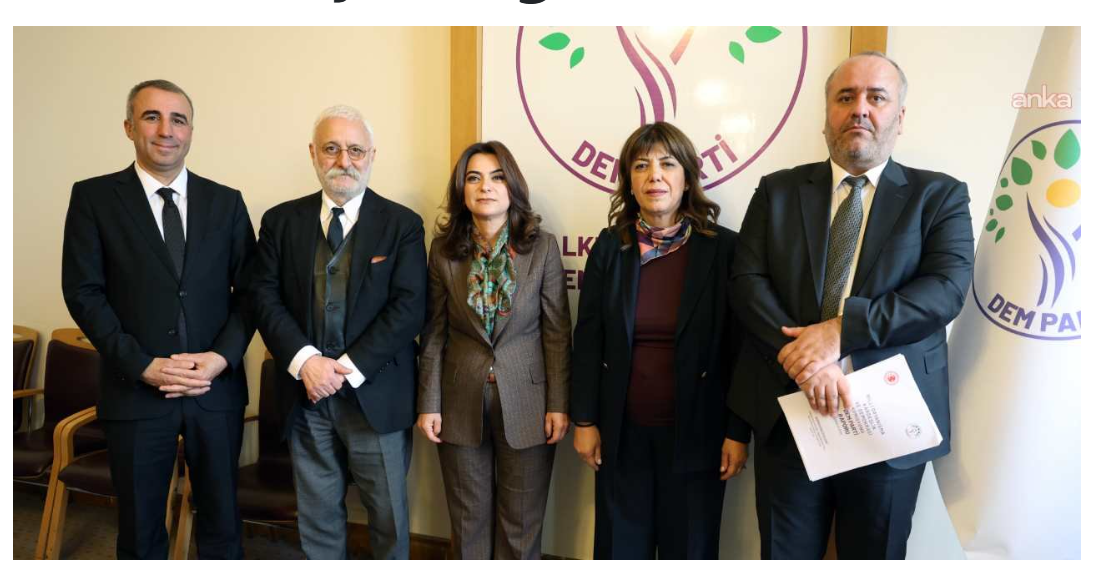
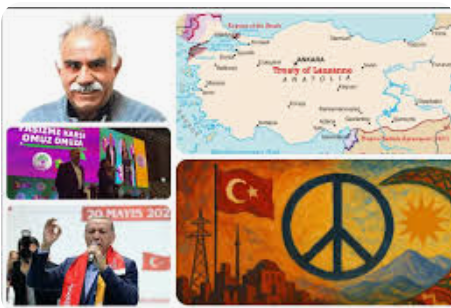
Attention in Ankara has shifted to the draft report of Parliament’s National Solidarity, Brotherhood and Democracy Commission, formed under the “Terror-Free Türkiye” initiative. While some ruling coalition figures signaled consensus on issues such as the “right to hope,” information emerging from the draft suggests the final text may fall short of DEM Party expectations. The report is expected to recommend limited legal adjustments tied to disarmament, without granting a broad amnesty or explicit provisions benefiting senior PKK figures.
Draft Circulated, Final Talks Ahead

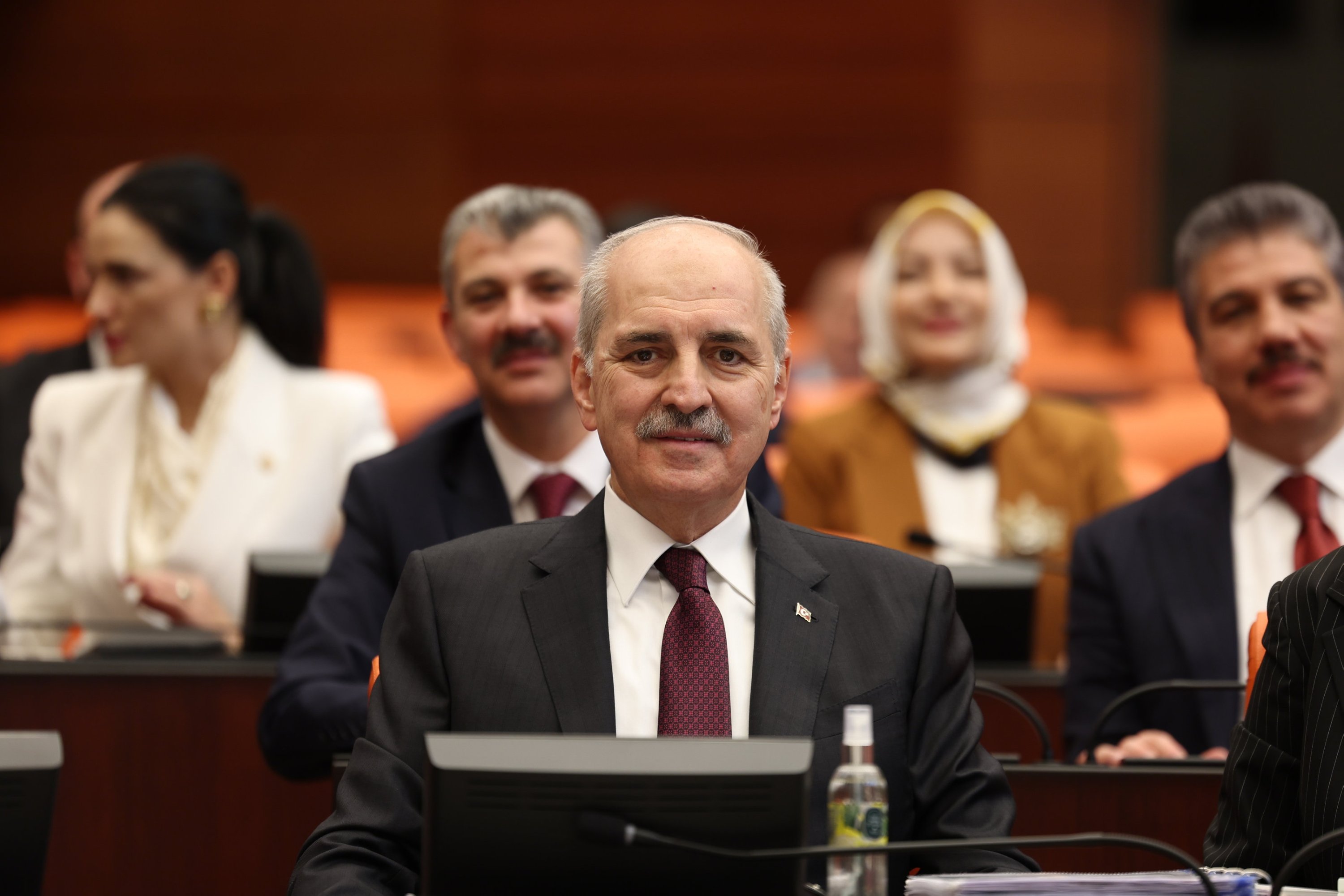
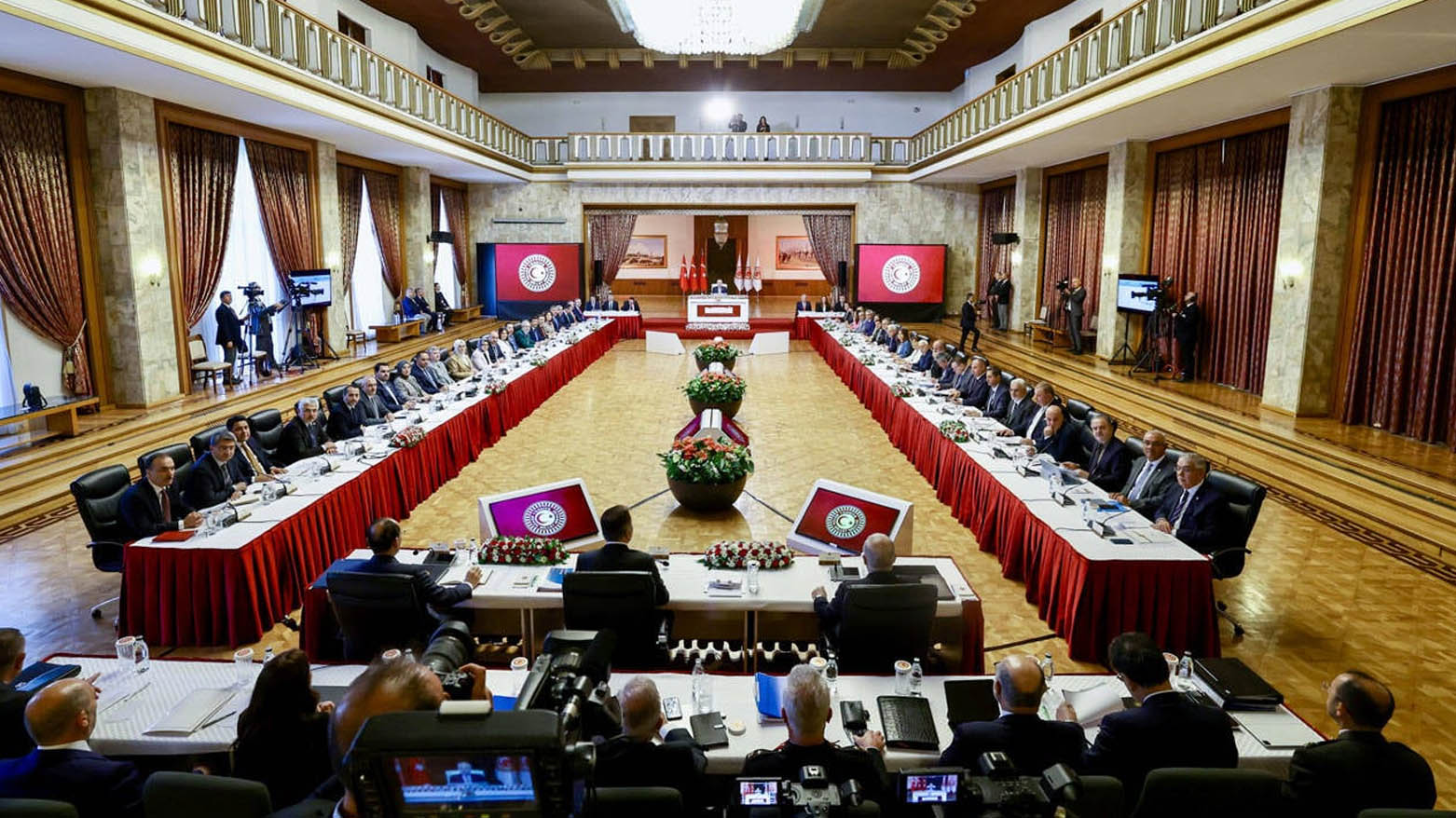
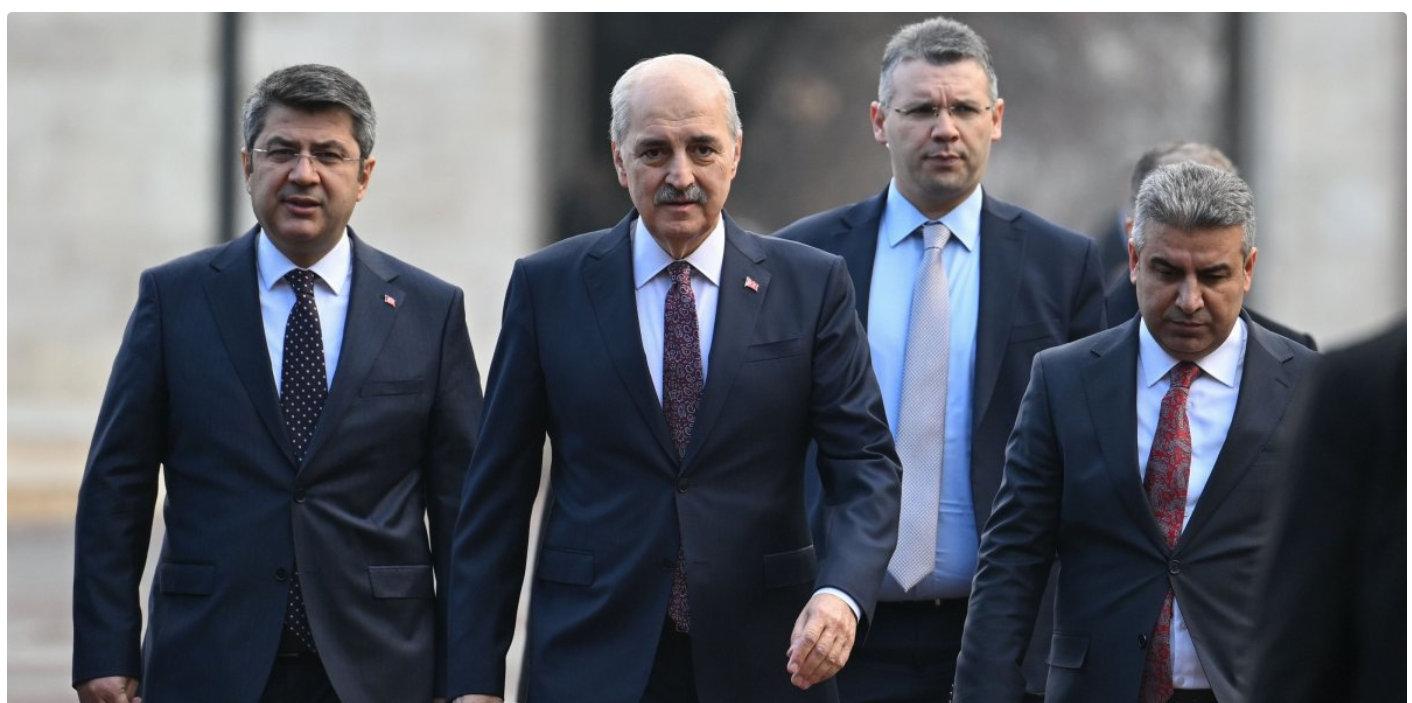
Speaker of Parliament Numan Kurtulmuş last week shared a personalized draft of the commission’s joint report with representatives of parties holding parliamentary groups. On Monday, he separately invited representatives of smaller parties without parliamentary groups but with seats on the commission.
Following these consultations, the commission is expected to convene next week to negotiate the final text before submitting it to the General Assembly.
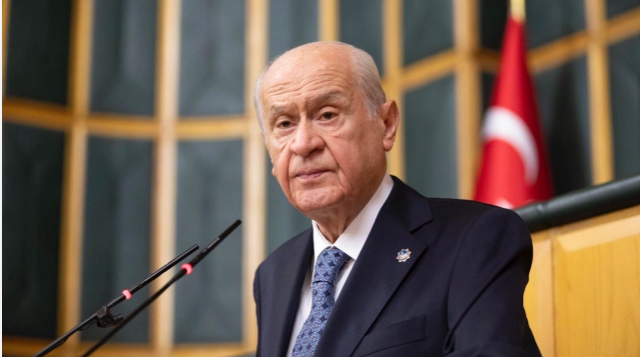
MHP Deputy Chair Feti Yıldız previously suggested that consensus had been reached on the “right to hope,” stating that the report would recommend compliance with rulings of both the European Court of Human Rights (ECHR) and Türkiye’s Constitutional Court.
However, sources familiar with the draft say the phrase “right to hope” does not explicitly appear in the text.
Seven Chapters, Forty Pages
The draft report reportedly consists of seven chapters spanning around 40 pages. The first four chapters outline the goal of a “Terror-Free Türkiye, Terror-Free Region,” providing historical context on the Kurdish issue.
The agreed framework includes:
-
Legal incentives to encourage disarmament
-
Measures to support return-to-home processes
-
Recommendations linked to democratization
Legislative steps are expected to begin simultaneously once authorities confirm that the PKK has fully laid down arms. No timeline is specified.
While the report references universal principles in execution and sentencing law, it avoids using the term “right to hope.”
Other recommendations reportedly include:
-
Ensuring PKK-specific legal arrangements do not create a public perception of impunity or blanket amnesty
-
Providing legal safeguards for institutions and individuals participating in the process
-
Revising legislation such as the Political Parties Law and Election Law
-
Addressing legal gaps related to trustee (kayyum) appointments
Separate Temporary Law Planned
Parallel to the commission’s report, work continues on a standalone, temporary legislative draft expected to be introduced in March.
According to reporting by Türkiye Gazetesi, the initial step will involve a narrowly defined temporary law. The legislation would:
-
Apply only to organizations whose dissolution has been officially confirmed
-
Avoid setting precedents for other groups
-
Prevent applicability to organizations such as FETÖ
After parliamentary approval, amendments would be made to the Turkish Penal Code (TCK), Anti-Terror Law (TMK), Criminal Procedure Code (CMK), and Enforcement Law, alongside administrative adjustments.
No Blanket Amnesty
The framework does not foresee a general amnesty.
Members Not Involved in Crimes
Under proposed alignment laws:
-
PKK members who have not committed crimes and voluntarily surrender within one year would be subject to provisions similar to “effective remorse.”
-
They would not face prison sentences but would be placed under judicial supervision.
-
Judicial control measures would remain in place for five years, provided no further offenses occur.
In effect, individuals with no criminal involvement would remain outside prison but under monitored conditions.
Members Involved in Crimes
No amnesty is envisaged for members who committed crimes.
Those currently incarcerated would be subject to a distinct execution regime. Individuals who have served the majority of their sentence may complete the remainder outside prison under strict judicial control, depending on the severity of their offenses and conditional release criteria.
Would Abdullah Öcalan Benefit?


The status of PKK leader Abdullah Öcalan remains legally distinct.
Under Türkiye’s Enforcement Law, individuals sentenced to aggravated life imprisonment for crimes against state security, constitutional order, or national defense within the framework of an organization are not eligible for conditional release.
As such, current law does not permit Öcalan to benefit from conditional release provisions.
Although debate over the “right to hope” has resurfaced periodically in relation to ECHR jurisprudence, the draft commission report reportedly avoids explicit language that would directly alter this framework.
Falling Short of DEM Party Expectations?
The emerging picture suggests a calibrated, limited reform package tied strictly to verified disarmament, rather than a sweeping political settlement.
While the DEM Party has advocated broader recognition of rights and clearer legal guarantees, the draft appears designed to:
-
Prevent perceptions of impunity
-
Maintain public order safeguards
-
Limit applicability to narrowly defined conditions
In short, the proposed framework prioritizes controlled reintegration and legal alignment over expansive political concessions.
Whether this approach will satisfy pro-Kurdish political actors — or withstand parliamentary debate — remains to be seen as the report moves toward the General Assembly.
PA Turkey intends to inform Turkey watchers with diverse views and opinions. Articles in our website may not necessarily represent the view of our editorial board or count as endorsement.
Follow our English YouTube channel (REAL TURKEY):
https://www.youtube.com/channel/UCKpFJB4GFiNkhmpVZQ_d9Rg
Twitter: @AtillaEng
Facebook: Real Turkey Channel: https://www.facebook.com/realturkeychannel/