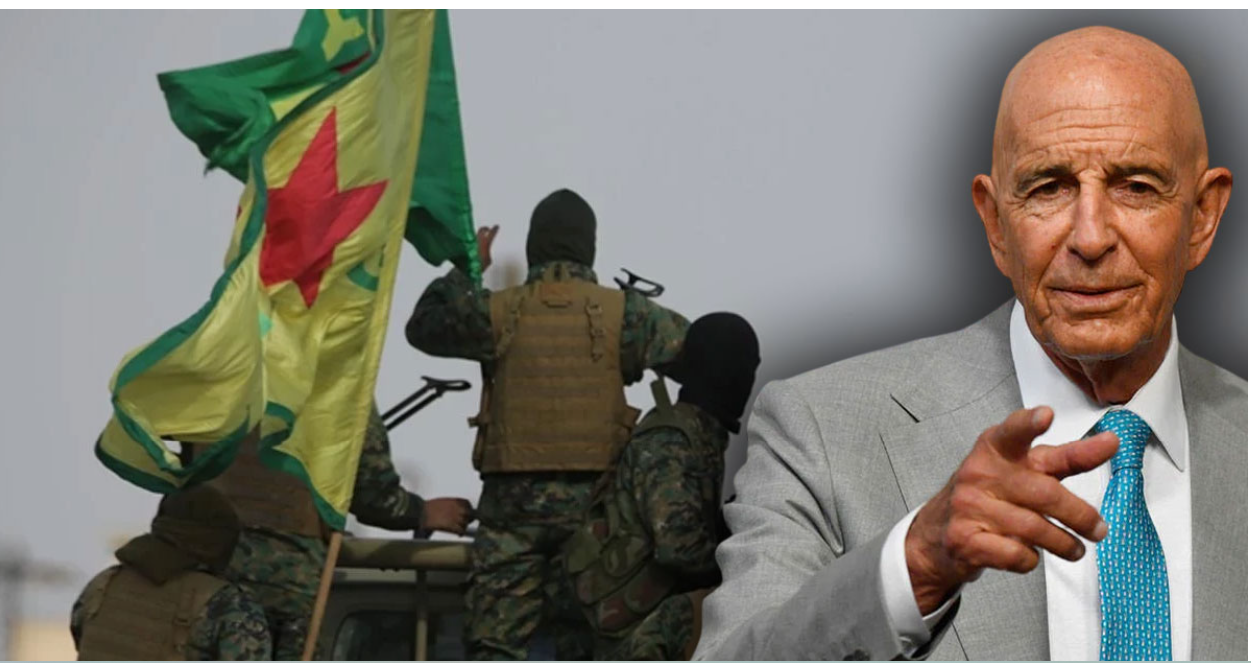
OPINION: Turkey Signals No Immediate Withdrawal from Syria or Iraq
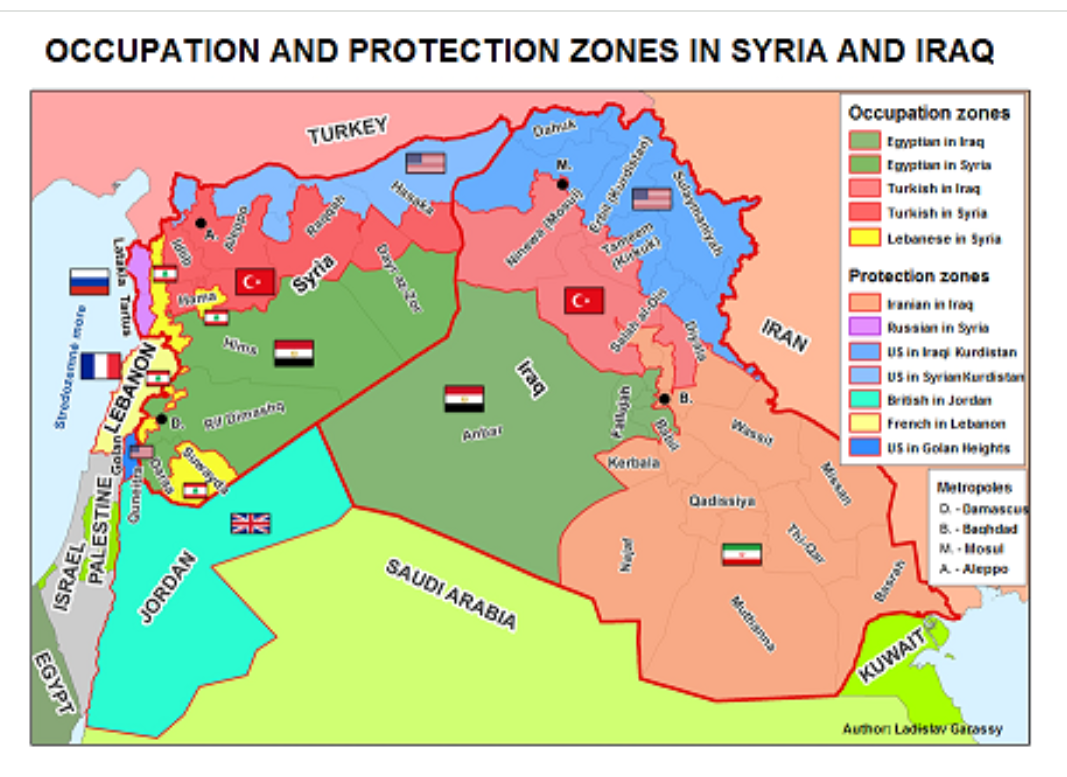 tr syria iraq
Despite renewed peace efforts with the PKK and recent setbacks for Kurdish-led forces in Syria, Turkey has made clear it has no plans to withdraw its troops from Syria or Iraq. Officials say Ankara’s deployments are tied to long-term security, geopolitical influence, and regional power dynamics, suggesting a sustained military footprint in both countries.
“No Agenda to Withdraw”
Turkey has ruled out any immediate withdrawal of its military forces from Syria or Iraq.
Defense Minister Yaser Guler said Ankara has “no agenda for withdrawing or leaving those areas,” adding that any such decision would be made solely by Turkey.
In October 2025, Turkey’s parliament approved a three-year extension of cross-border deployments in both Syria and Iraq, reinforcing expectations of a prolonged presence.
Strategic Calculations
Analysts argue that Ankara’s military posture serves broader geopolitical objectives.
According to Nicholas Heras of the New Lines Institute, Turkey seeks to maintain influence over the Kurdistan Regional Government (KRG) in Iraq and shape developments in post-Assad Syria.
Turkey’s military presence is also seen as serving three core aims:
-
Limiting Kurdish political and military autonomy near its borders
-
Managing refugee return conditions
-
Preserving leverage in regional power competition
Observers note that neither Baghdad nor Damascus currently appears capable of forcing a Turkish withdrawal, reducing the immediate cost of Ankara’s long-term positioning.
Post-Assad Syria: New Dynamics, Old Tensions
Turkey first deployed troops into northern Syria in August 2016, citing the need to combat Islamic State and prevent Kurdish territorial consolidation. It later expanded operations into Afrin (2018) and northeastern Syria (2019).
Since the ousting of Bashar al-Assad in December 2024, Ankara has enjoyed closer ties with Syria’s interim leadership under Ahmed al-Sharaa. However, tensions remain over Kurdish forces and broader regional alignments.
Although the Syrian Democratic Forces (SDF) recently faced territorial setbacks and agreed to integrate into the new Syrian army, Turkey continues to view Kurdish armed structures as a security threat.
Meanwhile, Israel has opposed any expanded Turkish deployment in central Syria and has maintained forces in southwestern buffer zones near the occupied Golan Heights.
Regional analysts suggest Ankara could argue that its continued presence mirrors Israel’s posture in southern Syria, especially if pressured to withdraw.
Leverage Over Kurdish Question
Turkey insists that any durable political settlement in Syria must address Kurdish armed groups’ status.
Experts note that Ankara believes it holds strategic leverage over both Damascus and Baghdad in managing Kurdish minority questions. As long as internal Syrian security remains fragile and militia structures retain autonomy, Turkey is likely to justify maintaining its military footprint.
Additionally, economic and trade tensions between Ankara and Damascus — including disputes over tariffs and imports — underscore that relations are not frictionless despite political alignment.
Broader Regional Power Balance
Some analysts link Turkey’s Syria policy to broader regional recalibration.
Following setbacks to Iran-aligned groups in Lebanon and Syria, Ankara — along with Saudi Arabia and Qatar — is seen as seeking to counterbalance Israel’s growing regional influence.
Turkey reportedly views Syria as a key component in shaping an emerging regional security architecture.
Iraq: A More Complex Arena
Unlike Syria, Turkey’s military operations in Iraq date back to the 1990s, when Ankara began conducting cross-border operations against the Kurdistan Workers’ Party (PKK) in mountainous border areas.
Since 2018, Turkey has expanded its network of military outposts inside Iraqi Kurdistan. Infrastructure projects, including road construction in Duhok province, have further deepened its presence.
Although the PKK has renounced armed struggle and made symbolic disarmament gestures — including public calls by imprisoned leader Abdullah Ocalan for fighters to lay down arms — core armed elements remain active in parts of northern Iraq.
Analysts say Ankara is unlikely to withdraw before a fully verifiable dissolution of PKK structures.
At the same time, Turkey must balance security operations with maintaining workable relations with Baghdad, where sectarian and political dynamics complicate decision-making.
Talks May Reduce Escalation, Not Presence
Even as Turkey engages in peace talks domestically and the PKK signals de-escalation, military withdrawal is not seen as imminent.
Observers argue that Ankara may require involvement from external actors such as the United States and the European Union to support a sustainable political settlement — particularly in Iraq.
For now, Turkey appears committed to preserving leverage in both theaters while adapting to evolving political realities.
Paul Iddon is a freelance journalist based in Erbil, Iraqi Kurdistan, who writes about Middle East affairs
PA Turkey intends to inform Turkey watchers with diverse views and opinions. Articles in our website may not necessarily represent the view of our editorial board or count as endorsement.
Follow our English YouTube channel (REAL TURKEY):
https://www.youtube.com/channel/UCKpFJB4GFiNkhmpVZQ_d9Rg
Twitter: @AtillaEng
Facebook: Real Turkey Channel: https://www.facebook.com/realturkeychannel/
Related articles
Turkey Redraws Its Syria Strategy: Military Support, Regional Diplomacy, and a New Role in Damascus
Islamist Party Leader Urges AKP Lawmakers to Join New Alliance, Warns: “If Iran Falls, Türkiye Is Next”
Turkey’s Fidan: Ankara Will Give SDF-Damascus Deal a Chance Despite Reservations