OPINION: Iran War and Monetary Policy
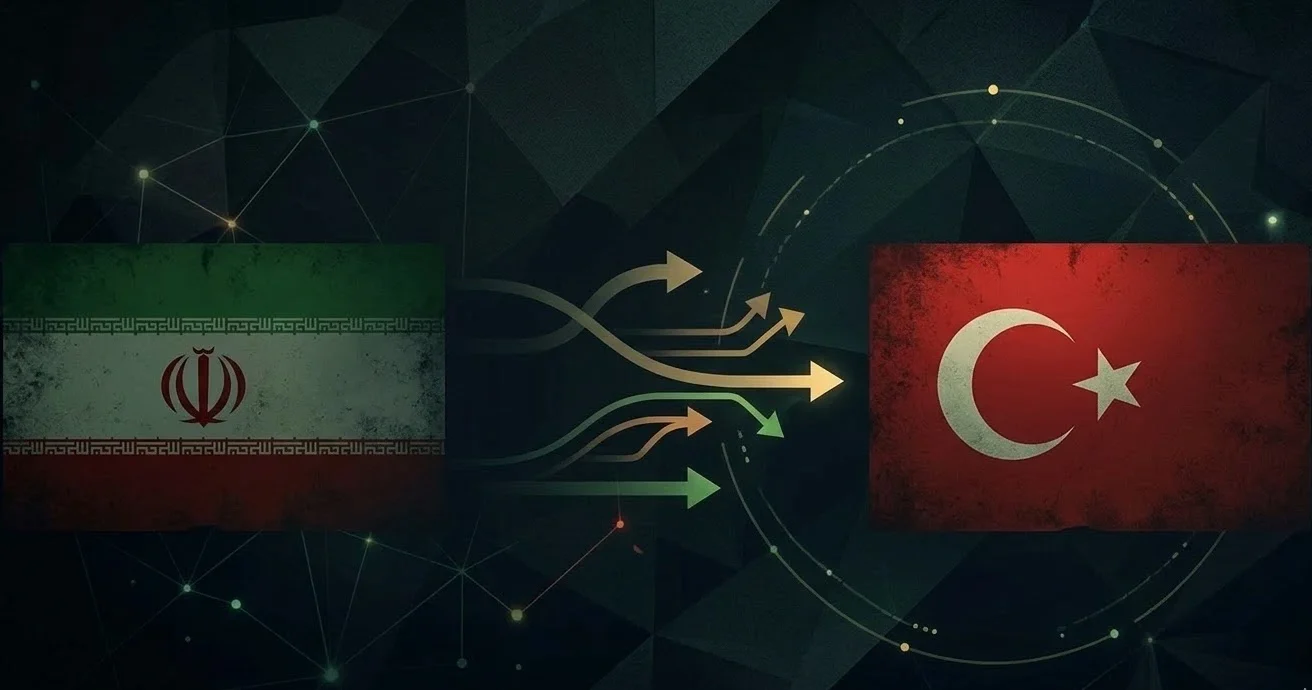 Iran-war-Turkish-economy
The recent broadcast on “Mesele Ekonomi” , an inerview fo strategist Atilla Yesilada by moderatro Semih Sakallı provides a comprehensive look into the Turkish economy’s reaction to the Central Bank’s decision to maintain interest rates at current levels. Against a backdrop of heightened geopolitical tensions in the Middle East and fluctuating global energy prices, the discussion outlines the mechanical and psychological drivers of the Turkish market.
The CBRT Decision and Immediate Market Impact
The central theme of the analysis is the Central Bank’s decision to keep the policy rate stable. Experts argue that this was a predictable move, largely anticipated by the market. However, the decision is not merely a sign of passivity but a calculated stance within a “tightening” framework. The transcript reveals that even though the official rates remained unchanged, the bank had already implemented a 300-basis-point tightening behind closed doors through liquidity channels. This “silent tightening” suggests that the CBRT is prioritizing the defense of the Turkish Lira without necessarily triggering a shock to the borrowing costs of the general public.
The immediate reaction of the markets—specifically the USD/TRY exchange rate—showed minimal volatility. This stability is attributed to the fact that the decision aligned with consensus expectations. Experts suggest that while a rate hike would have been a “perfect” signal to foreign investors regarding the bank’s commitment to fighting inflation, the status quo is sufficient to prevent a panic-driven devaluation.
Geopolitical Risks and the “Oil Shock” Factor
A significant portion of the analysis is dedicated to the escalating conflict between Iran and Israel. The “war scenario” is identified as the primary risk factor for the upcoming quarter. Analysts point to the disruption of oil shipments in the Persian Gulf, where millions of barrels are currently stalled. If Brent crude pushes toward the $150 mark, the domestic inflation trajectory would be severely compromised.

The expert view posits that the CBRT must remain vigilant; if oil prices remain above $100 for a prolonged period, the bank may be forced to hike rates in April or May to compensate for imported inflation. Interestingly, the analysis differentiates between “cost-push” inflation from energy and “demand-pull” inflation. While the bank cannot control global oil prices, its primary tool remains the maintenance of a “Strong Lira” policy to dampen the impact of these rising costs on the local consumer.
Inflation Forecasts and Wage Adjustments
The discussion provides a sobering outlook on inflation for 2026. Projections suggest that CPI will likely hover around 28-30% by the end of the year, though it could peak at 35-40% in the first half of the year due to seasonal and geopolitical factors. This gap between “official” inflation and “perceived” inflation—which many households sense is much higher—creates significant political pressure.
One of the more critical social insights provided is the likelihood of mid-year wage adjustments. Given the current trajectory, there is an estimated 50% probability of special adjustments or expanded social assistance packages for low-income earners and retirees. The analysis suggests that while the government may resist a blanket minimum wage hike to avoid a wage-price spiral, the sheer pressure of “living cost reality” may necessitate targeted interventions by July.
Sectoral Outlook: Real Estate, Gold, and Stocks
For investors, the analysis offers a clear hierarchy of asset preferences.
-
Real Estate: The sector is viewed with caution. While there is no expectation of a nominal price drop, real estate is predicted to yield returns below the rate of inflation. High mortgage rates and the presence of approximately 250,000 vacant units in Istanbul suggest that the “investment” appeal of housing has faded in favor of more liquid assets.
-
Gold and Bitcoin: Gold is described as having already “priced in” much of the war risk. While it remains a safe haven, its potential for massive further gains is questioned. Conversely, Bitcoin is seen as “gathering strength,” potentially replacing gold in some portfolios as global conditions stabilize.
-
Borsa Istanbul (BIST): A short-term correction of 10-15% is anticipated due to the “oil shock” fears. However, this is seen as a buying opportunity for the long term, with a year-end target for the BIST 100 near 16,500 points, provided the geopolitical fever breaks.
Conclusion: The “Strong Lira” Buffer
The overarching takeaway from the analysis is that Turkey is currently operating with a “buffer” policy. By keeping the Lira attractive through high deposit rates (exceeding expected FX gains), the central bank is successfully preventing a mass migration to foreign currency. Despite a widening current account deficit and concerns over tourism revenues due to regional instability, the “financing” side of the balance sheet remains robust. As long as the CBRT maintains its reserves and keeps the Lira’s return higher than the currency’s depreciation, the economy is expected to weather the current geopolitical storm without a catastrophic currency crash.