OPINION: Can Erdoğan overcome his “fear of democracy”? A critical test for Türkiye’s peace process
 rte2
rte2
Summary:
Veteran journalist Mehmet Y. Yılmaz argues that while external obstacles to a renewed Kurdish peace process appear to have receded—most notably with the US stepping back from its partnership with the YPG in Syria—the real barrier now lies at home. According to Yılmaz, the decisive question is whether President Recep Tayyip Erdoğan is willing to embrace democratic and legal reforms that would strengthen civilian politics, or whether fear of losing control will once again stall the process.
External barriers fade as regional dynamics shift
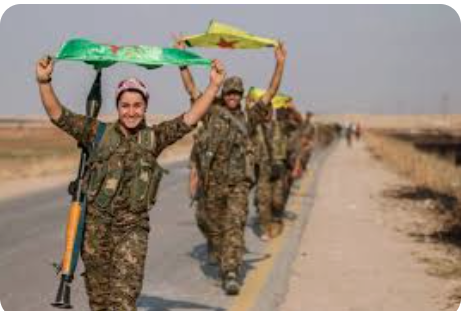
Yılmaz writes that the most visible external obstacle to a peace process—US backing for the YPG in northern Syria—has effectively disappeared. With Washington recalibrating its Syria policy and Syrian government forces reasserting control, the long-standing argument that a Kurdish-controlled zone in northern Syria posed an existential threat to Türkiye has lost much of its force.
This shift, he argues, has also undermined the strategic assumptions of the PKK’s leadership, whose vision for northern Syria collapsed rapidly as regional realities changed. Even the YPG, once confident in its leverage, has been pushed into accepting arrangements less favorable than earlier understandings.
A reluctant governing coalition
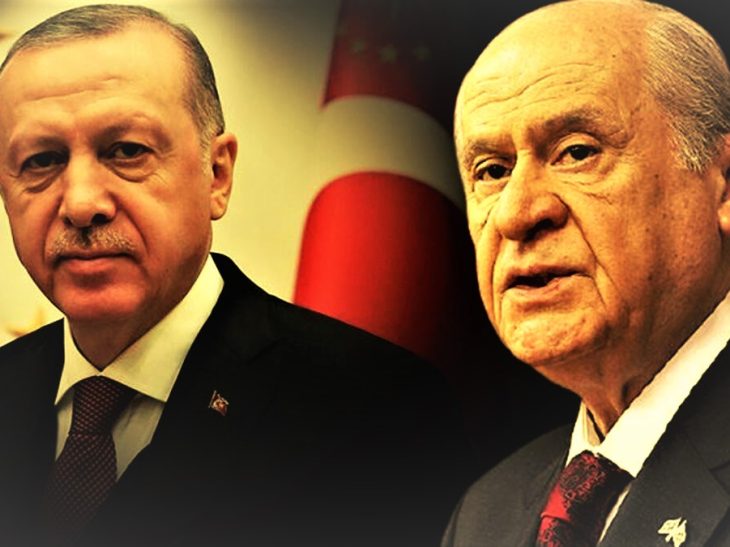
Despite these developments, Yılmaz notes that the ruling coalition in Ankara has shown little enthusiasm for advancing a genuine peace process. He recalls that the initiative—sparked by MHP leader Devlet Bahçeli’s call for Abdullah Öcalan to address parliament—was never fully embraced by the government’s senior partner.
For years, “Syria’s territorial integrity” served as a convenient justification for avoiding political and legal reforms at home. The claim that the PKK would simply relocate to northern Syria found broad acceptance across much of Türkiye’s political spectrum, including among opposition parties.
The deeper issue: democratic reform
With the “northern Syria threat” now largely gone, Yılmaz asks whether Türkiye should finally expect a roadmap toward democratic and legal reforms. His answer is pessimistic.
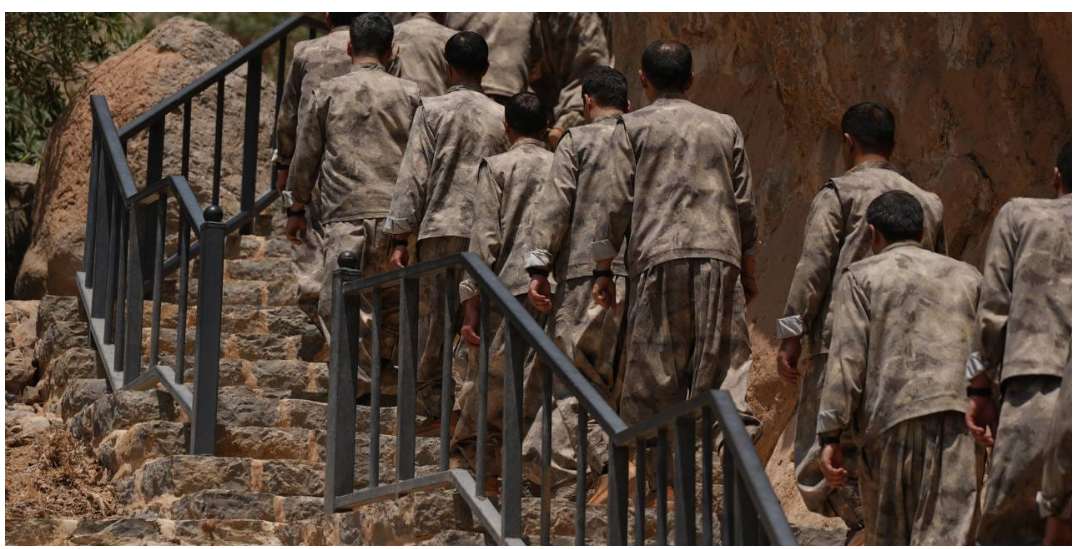
He recalls earlier statements by senior MHP figures that political and legal reforms would only come after terrorism was fully eliminated. The PKK has since declared itself dissolved, its militants have reportedly left Türkiye, and even President Erdoğan has referred to it as a “defunct organization.”
“Now,” Yılmaz writes, “it should be the turn of democracy and civilian politics to be strengthened.” Yet he argues that the political climate points in the opposite direction.
Courts, trustees, and unresolved injustices
Yılmaz highlights several examples that, in his view, contradict any genuine commitment to democratic normalization. Trustees continue to replace elected mayors, even in cases where courts have acquitted those officials of the charges that led to their removal. Court rulings by the European Court of Human Rights and Türkiye’s own Constitutional Court, which found certain detentions unlawful, remain unimplemented.
Practices such as the judicial stigmatization of political cooperation at the local level persist, reinforcing what Yılmaz describes as an entrenched authoritarian reflex rather than a turn toward reform.
A process likely to stall again?
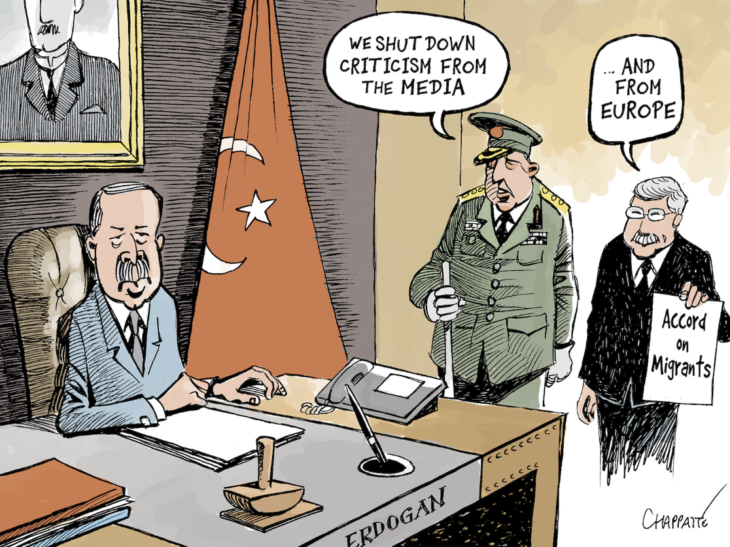
According to Yılmaz, there is little evidence that the governing alliance has abandoned its old political instincts. On the contrary, he argues that efforts to entrench executive dominance through the judiciary continue unabated.
The central question, he concludes, is whether Erdoğan is prepared to accept the political risks that genuine democratization would entail. Without such a shift, Yılmaz warns, even the most favorable regional conditions will not be enough to revive a sustainable peace process in Türkiye.
Source: Commentary by Mehmet Y. Yılmaz
PA Turkey intends to inform Turkey watchers with diverse views and opinions. Articles on our website may not necessarily represent the view of our editorial board or count as endorsement.
Follow our English YouTube channel (REAL TURKEY):
https://www.youtube.com/channel/UCKpFJB4GFiNkhmpVZQ_d9Rg
Twitter: @AtillaEng
Facebook: Real Turkey Channel: https://www.facebook.com/realturkeychannel/***