



Oil Exports: Erbil and Baghdad Agree to Resume via Turkey
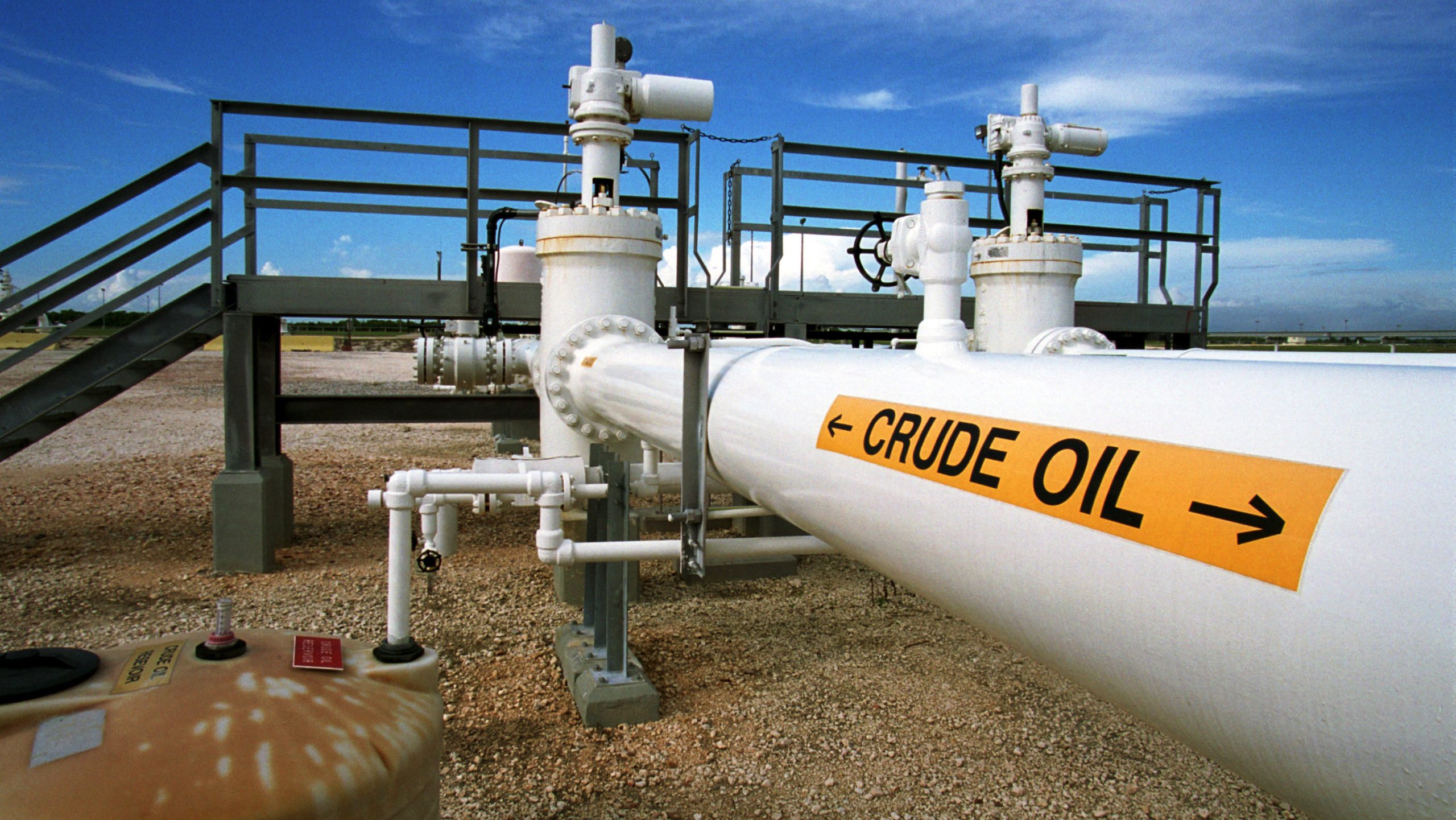 oil exports
On March 18, 2026, a major diplomatic and economic breakthrough was reached between the Kurdistan Regional Government (KRG) and the Federal Government of Iraq. The two parties have signed a strategic agreement to resume the northern Iraqi oil exports through the Iraq-Turkey Pipeline (ITP) to the port of Ceyhan.
This “Strategic Decision under Extraordinary Circumstances” comes at a critical time, as global energy markets are reeling from the effective closure of the Strait of Hormuz (since March 1, 2026) following regional escalations.
Oil Exports: Key Details of the Agreement
The announcement, made by KRG Prime Minister Masrour Barzani, outlines a path to stabilize Iraq’s economy while bypassing the disrupted southern maritime routes.
-
Immediate Resumption: Oil flows through the northern pipeline are set to begin as soon as possible, providing a vital alternative to the Persian Gulf routes.
-
Volume Targets: Initial flows are expected to reach 200,000 to 250,000 barrels per day (bpd), with the potential to increase as technical inspections of the pipeline sections are completed.
-
Revenue Management: Both parties have agreed on a joint coordination mechanism for oil revenues, with proceeds channeled into the federal treasury, addressing a long-standing point of contention between Erbil and Baghdad.
-
Security & Production: The agreement includes provisions for a “safe production environment” for international energy companies operating in the region.
Strategic Importance: Bypassing the Strait of Hormuz
The timing of this deal is driven by regional geopolitical shifts. Since the outbreak of conflict and subsequent disruptions in the Gulf on February 28, 2026, Iraq’s southern oil exports—which typically account for 90% of its revenue—plunged by nearly 70%.
The Iraq-Turkey Pipeline now serves as the “lifeboat” for Iraq’s national budget, ensuring that civil servant salaries can be paid and foreign currency shortages are avoided.
International Reaction: US Endorsement
The United States, which has been actively mediating the talks, hailed the agreement as a “Diplomatic Success.”
Tom Barrack, the US Ambassador to Turkey and Special Envoy for Syria, expressed his gratitude via social media:
“Many thanks to Erbil and Baghdad for their work to reach an agreement at this critical time. Your courage, steadfast cooperation, and commitment to the diplomatic path have been truly invaluable. The US is fully committed to supporting these efforts.”
Barrack also conveyed President Donald Trump’s personal greetings to Prime Minister Barzani, reaffirming Washington’s role as a guarantor of regional energy stability.
Impact on Global Markets
The announcement had an immediate cooling effect on global energy prices. Shortly after the news broke, Brent Crude oil prices fell below $103 per barrel, as traders anticipated the return of stable Iraqi supply to a structurally tight market.