



NY Times: U.S. Bases in Western Turkey Face Imminent Threat
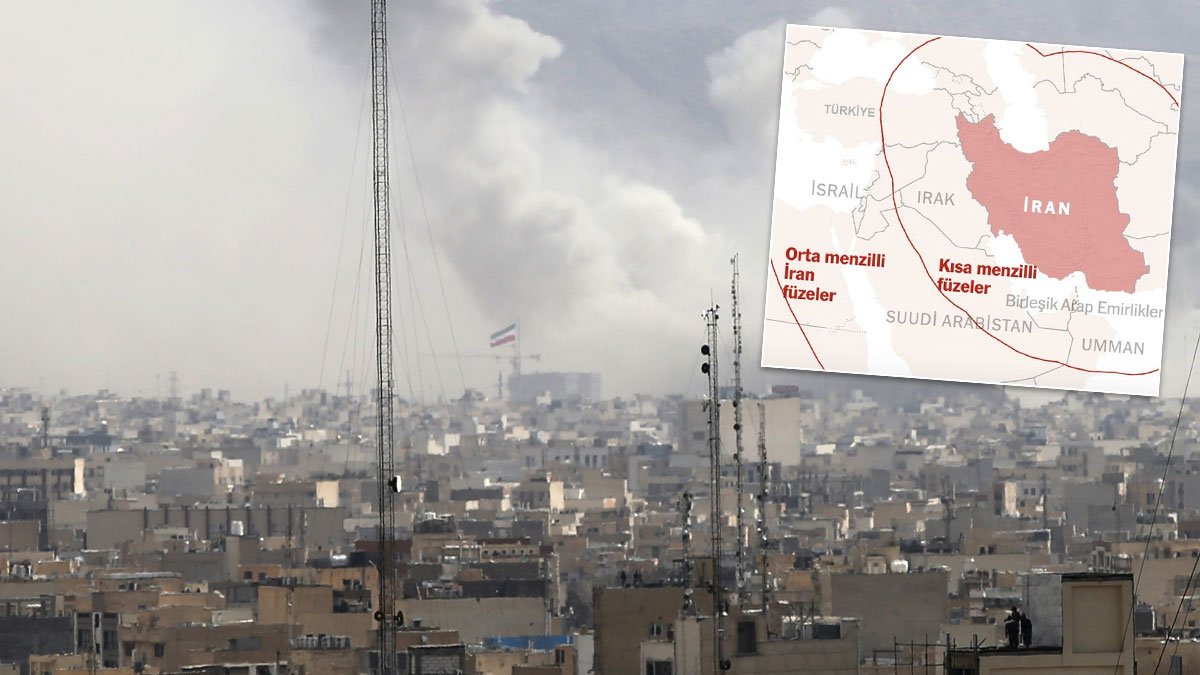 Iran-missile-range
A chilling analysis published by The New York Times warns that the escalating military confrontation between the USA, Israel, and Iran could drag Washington into a “perpetual conflict.” Security experts highlight that Tehran possesses the strategic capability to strike beyond its immediate borders, placing American military installations in Western Turkey and across the Persian Gulf directly in the crosshairs of advanced ballistic technology.
The Arsenal Factor: Middle East’s Largest Missile Stockpile
Journalist Abdi Latif Dahir’s report underscores that the primary risk for the United States lies in Iran’s sophisticated “proxy network” and its vast missile inventory. Despite recent skirmishes, Tehran maintains one of the most diverse armaments in the region, including high-precision UAVs (drones) and anti-ship weaponry.
Experts emphasize that Iran’s medium-range ballistic missiles can travel upwards of 1,200 miles (approximately 1,930 kilometers). This reach effectively blankets the entire Middle East, making U.S. assets in Turkey and Israel vulnerable to direct retaliation. “The sheer volume of the inventory, even if not fully quantified, is capable of causing immense regional destruction,” the analysis warns.
Blowback Anxiety: Gulf Nations and the Price of Intervention
The threat of a “spillover war” has sent ripples of panic through Gulf Cooperation Council (GCC) nations. These countries, which host numerous American bases, fear they will bear the brunt of an Iranian counter-strike.
The narrative suggests that any offensive move by the U.S. military could trigger a “blowback” effect, where Tehran targets host nations to pressure Washington into a ceasefire. Furthermore, the report indicates that Israeli urban centers remain high-priority targets in Iran’s retaliatory doctrine, raising the stakes for a total regional collapse.