New promises from EU and a tiny gift
 kos ab expansion minister
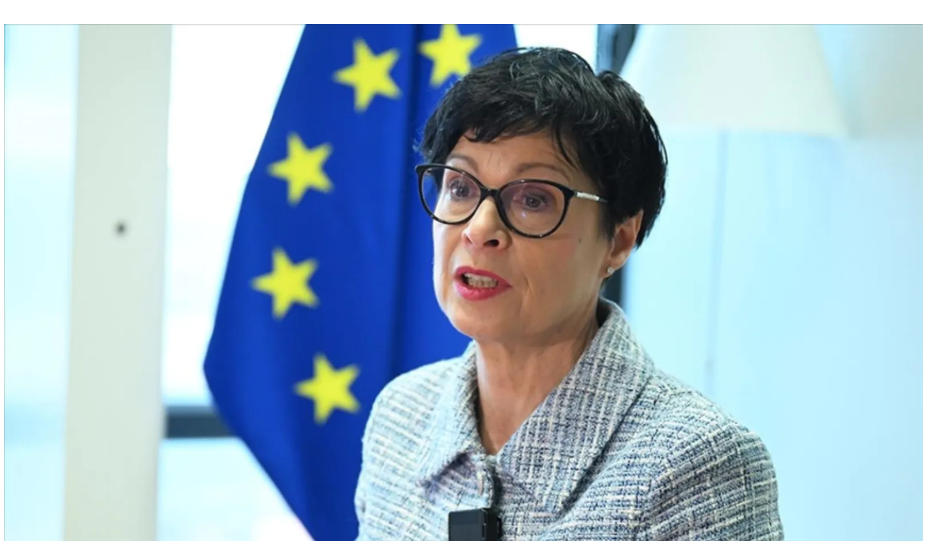
In a landmark move signaling a potential thaw in the long-frozen relations between Brussels and Ankara, EU Commissioner for Enlargement Marta Kos is set to arrive in Turkey on February 5, 2026. Ahead of her first official visit, the Commissioner spoke exclusively to Anadolu Agency, calling for a “fresh look” at the strategic partnership in a world increasingly dominated by the “aggressive expansion” of global superpowers like China, Russia, and the United States.
Her visit comes at a time when the European Union is undergoing a profound shift in its industrial and security architecture. Kos’s message was clear: in the current geopolitical landscape, a stronger EU-Turkey partnership is a “win-win” that Europe cannot afford to ignore.
A Geopolitical Reset: Connectivity and the ‘Middle Corridor’
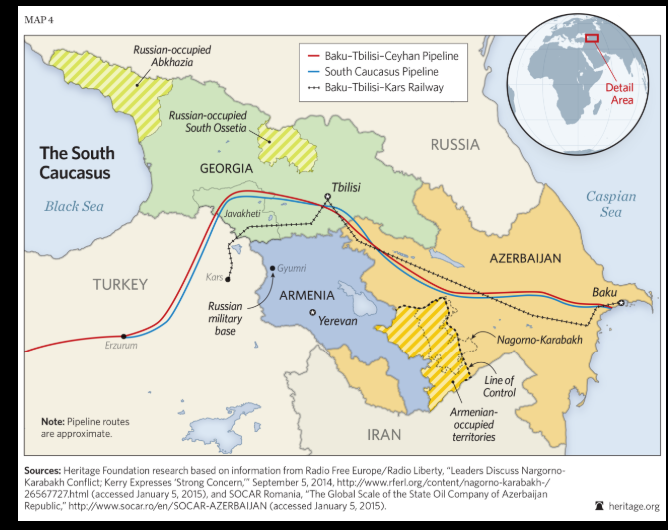
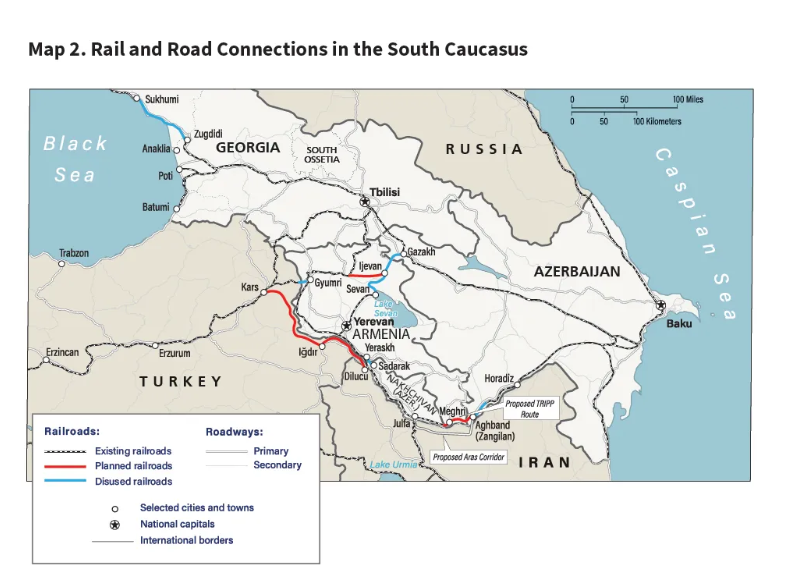
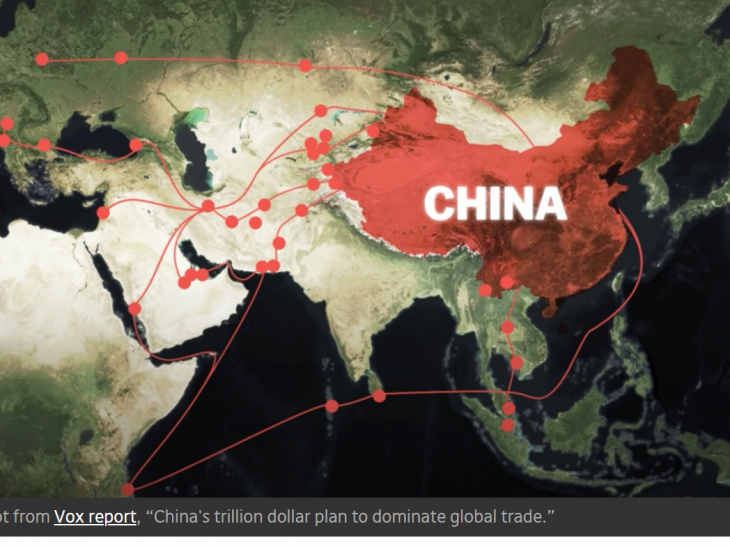
At the heart of Kos’s “new perspective” is the concept of connectivity. She explicitly positioned Turkey at the center of the EU’s agenda to link Europe with Central Asia and the Caucasus.
“I see Turkey at the heart of what we call the EU’s connectivity agenda,” Kos stated. “We cannot transform the Middle Corridor into a powerful link between Europe and Central Asia without Turkey. This is not just about trade; it is a strategic necessity for our energy and digital security.”
The Commissioner emphasized that while the world is changing, the interdependence of the EU and Turkish economies remains a bedrock of stability. She noted that current trade between the two partners is nearly double the volume of the EU’s trade with the Mercosur bloc, underscoring the deep-rooted commercial ties that link the 450-million-strong European Single Market with Turkey.
Turkish Business Community Urges EU to Update Customs Union and Rethink Accession
The Return of the European Investment Bank (EIB)
In perhaps the most tangible sign of re-engagement, Kos announced that the European Investment Bank (EIB) is officially resuming its operations in Turkey. During her visit to Ankara, Kos will witness the signing of two major projects, each valued at 100 million euros.
“This is just the beginning,” she said. “The EIB has not been able to operate at this level in Turkey for several years. These new projects will focus on renewable energy and sustainable infrastructure, which were top priorities identified during our high-level economic dialogues last year.”
Addressing Trade Tensions: ‘Made in Europe’ and Global STAs
The Turkish business community has recently expressed anxiety over the EU’s new industrial strategy, particularly the “Made in Europe” initiative, which prioritizes European companies in public procurement. There are also concerns regarding the recent EU-India Free Trade Agreement (FTA) and its impact on the existing Customs Union.
Kos sought to allay these fears, arguing that if “economic and geopolitical logic” are applied together, the European industrial framework “cannot exclude Turkey.” She urged for a modernization of the 30-year-old Customs Union, noting that it is time to remove existing barriers and improve its functionality for the digital age.
“We have an immense opportunity right now,” Kos remarked. “But this must be our joint project. We need to ensure that our industrial strategies align, rather than compete.”
Turkey’s Trade Minister: EU-India Deal Poses No Threat to Customs Union Resilience
Defense, Security, and the Cyprus Factor
As a NATO ally with the alliance’s second-largest military, Turkey’s role in European security has never been more relevant. Kos praised the “decisive role” of Turkish drones in the early stages of the Ukraine conflict and described Turkey as a “natural partner” for European defense.
However, she was candid about the hurdles. She noted that Turkey’s deeper involvement in EU defense programs—such as the SAFE tender—and broader security cooperation remains closely linked to developments in the Cyprus settlement talks. “The new Cyprus talks are a great opportunity for improvements in this area,” she added, emphasizing that regional security is a collective responsibility.
The Path to Visa Liberalization
For many Turkish citizens, the most pressing issue remains the prospect of visa-free travel. Kos reaffirmed that the offer for visa liberalization remains on the table, though she noted that six criteria still need to be fulfilled by Ankara.
She highlighted the success of the “Cascade” system implemented last year, which has made it easier for Turkish citizens to obtain multiple-entry visas. “We want to see visa-free travel for the people of Turkey,” Kos said. “While connectivity is about ‘hard power’ like energy and transport, it is also about the connections between people. I will prioritize this dialogue during my meetings in Ankara.”
Conclusion: Building Trust for a New Era
Commissioner Kos concluded by acknowledging that “great changes will not happen overnight.” Her meetings with Foreign Minister Hakan Fidan, Treasury and Finance Minister Mehmet Şimşek, and other top officials will focus on a single, vital objective: building trust.
“We need more trust,” Kos concluded. “Turkey has a very long democratic tradition and a strong civil society. If we can add new energy through developments in democracy and the rule of law, there are truly no limits to what we can achieve together.”
Related articles
How Türkiye Can Help the South Caucasus Diversify Its Economies
How the New Era of Global Energy Politics Is Reshaping the World Order
Emre Demir: Kanal Istanbul, Turkey’s Middle Corridor, and the Belt and Road Initiative