



NATO on High Alert: Mark Rutte Condemns Iranian Missile Heading for Turkey
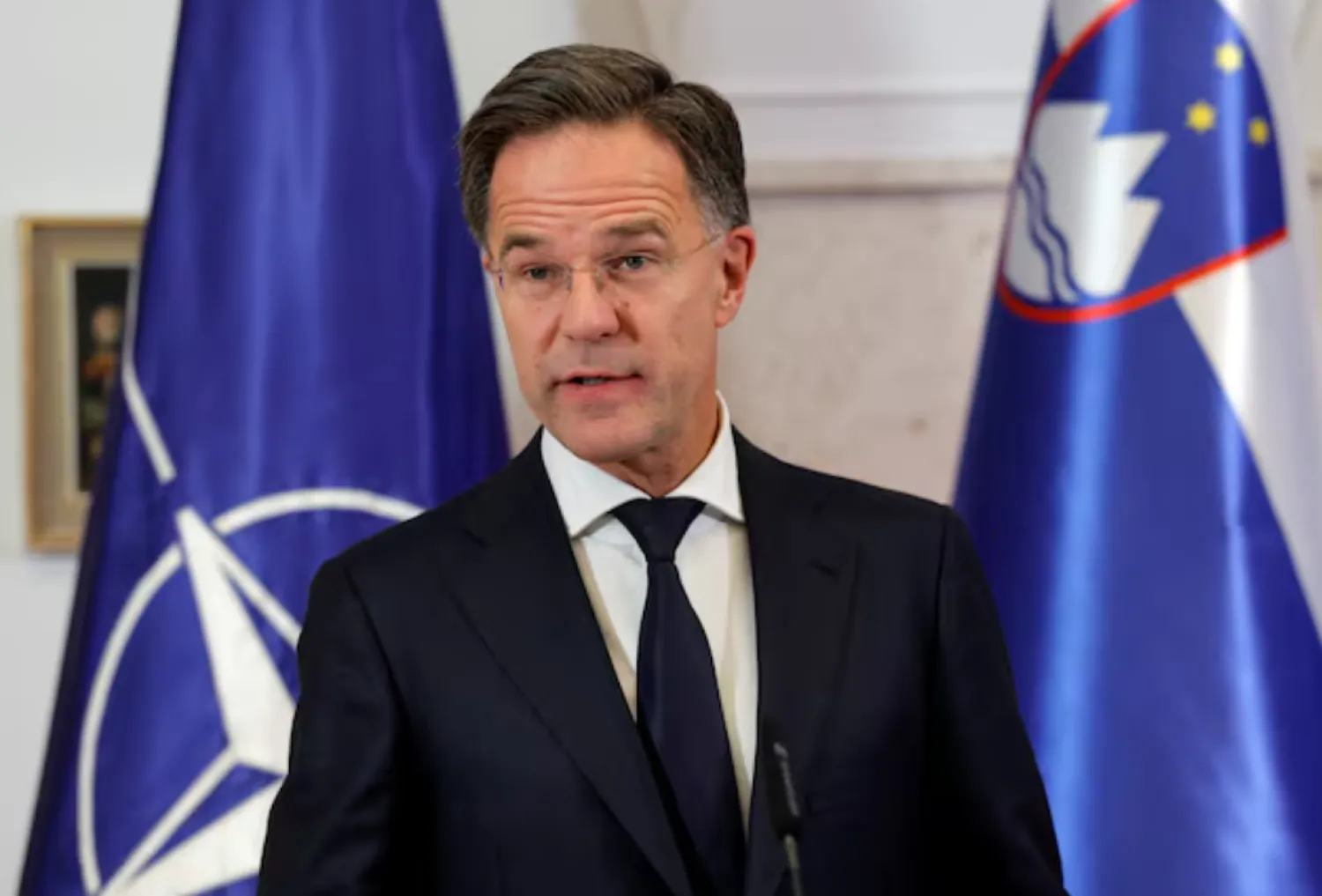 Mark-Rutte
NATO Secretary General Mark Rutte has issued a stern condemnation following the interception of an Iranian ballistic missile that was on a direct trajectory toward Turkish airspace. Detected passing through Iraq and Syria, the projectile was successfully neutralized by NATO air and missile defense assets stationed in the Eastern Mediterranean before it could cause harm. While the event marks a significant escalation in regional tensions, Rutte clarified that the alliance’s collective defense clause, Article 5, is not currently being invoked.
Strategic Vigilance: Defending “Every Inch” of Territory
The interception serves as a powerful demonstration of NATO’s operational readiness. Rutte emphasized that the alliance’s ability to engage the threat promptly demonstrates its commitment to protecting all member states.
“This is clear evidence that we will defend every inch of NATO territory,” Rutte stated. “The most important point is that our adversaries saw yesterday how strong and vigilant NATO is. NATO is very strong and very vigilant.”
Despite the “serious” nature of the incident, Rutte was firm in stating that Article 5 is not on the table, as the situation has not yet met the threshold for a full-scale collective military response.
Understanding Article 5: The “All for One” Principle
The discussion around Article 5 has intensified as the conflict between the US/Israel and Iran spills across borders. Established in 1949, this cornerstone of the North Atlantic Treaty mandates that an armed attack against one member is considered an attack against all.
-
Mutual Assistance: Members are obligated to assist the attacked party, including by using armed force.
-
Legal Grounding: It aligns with Article 51 of the UN Charter, which recognizes the inherent right of individual or collective self-defense.
-
Historical Context: In its history, Article 5 has only been invoked once—following the September 11 attacks on the United States.
A Growing Threat to Europe?
Rutte’s remarks to the press also touched on broader security concerns, noting that Iran is dangerously close to achieving nuclear and advanced ballistic missile capabilities. He suggested that these developments do not just threaten the Middle East or Israel, but pose a direct security risk to Europe.
The Secretary General expressed broad support among NATO allies for recent U.S. actions aimed at degrading these specific Iranian military capacities, echoing a sentiment that “Iran must no longer pose a threat” to the international community.
