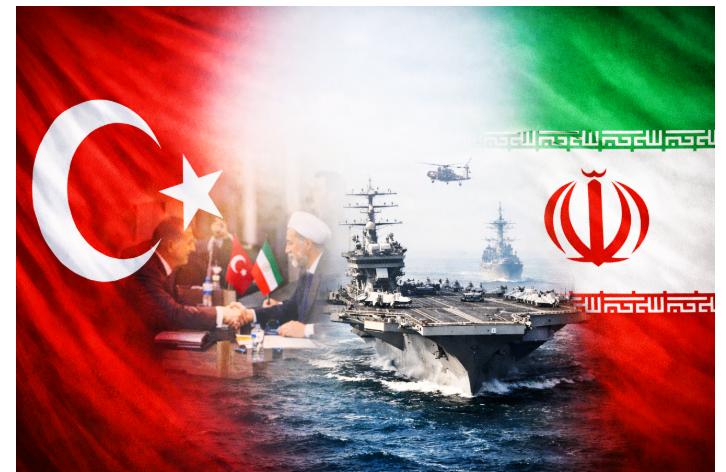
Muscat Over Istanbul: Inside the High-Stakes Diplomacy and Iran’s 5-Stage War Plan
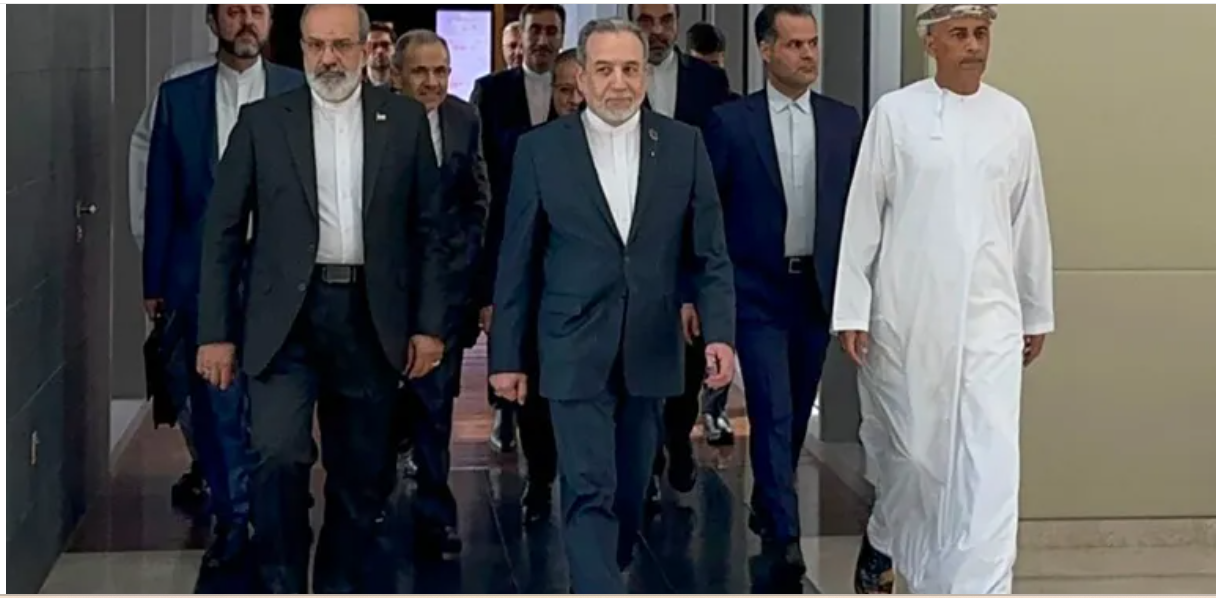 iran delegation
DIPLOMATIC ANALYSIS – The shifting geography of Middle Eastern diplomacy reached a climax this week as secret negotiations between Washington and Tehran moved from the bustling streets of Istanbul to the quiet corridors of Muscat. The venue change, however, belies a darker reality: a leaked Iranian “5-stage war plan” that threatens to set the global energy market ablaze if diplomacy fails.
Why Muscat Won and Istanbul Lost
The sudden shift to Oman’s capital on Friday caught many by surprise, especially given Ankara’s high-profile willingness to host the talks. However, regional experts suggest that for Tehran, Istanbul was simply “too big a stage.”
1. Avoiding the Spotlight: Türkiye’s pro-government media had floated the idea of President Erdoğan opening or even chairing the talks. For Iran, this was a non-starter. Tehran viewed the Istanbul framework as a risk to their autonomy, fearing that a high-visibility summit would elevate Türkiye’s regional status at Iran’s expense.
2. The Muscat Model: Oman offers a “familiar and tested” environment. The Muscat model involves two delegations in the same hotel but separate rooms, with Omani officials acting solely as message carriers. This lack of face-to-face interaction and minimal media presence provides the control Iran desperately seeks.
3. Narrowing the Scope: While Washington—and by extension, Israeli Prime Minister Netanyahu—wants to discuss ballistic missiles and regional proxies (Hezbollah/Houthis), Iran remains adamant about narrowing talks strictly to nuclear sanctions relief. Tehran felt Muscat was a safer bet to prevent “mission creep.”
The Shadow of War: Iran’s 5-Stage Contingency
While diplomats talk in Muscat, the Iranian military is reportedly preparing for the worst. Reports from The Telegraph and Tasnim News Agency have detailed a comprehensive 5-stage war plan designed to paralyze U.S. interests in the Middle East.
The Stages of Escalation:
-
Preservation: Securing military assets and nuclear infrastructure against an initial U.S. or Israeli strike.
-
Regional Expansion: Launching ballistic missiles and drones at U.S. bases in Qatar (Al-Udeid), Kuwait (Camp Arifjan), and the UAE.
-
Cyber Warfare: Targeting global transportation, energy grids, and financial systems to disrupt U.S. logistics.
-
The Hormuz Hammer: Closing the Strait of Hormuz, through which 21 million barrels of oil flow daily. This move would trigger a global energy shock intended to force Western concessions.
-
Multi-Front Attrition: Activating “Axis of Resistance” proxies in Lebanon, Yemen, Iraq, and Syria to drag the U.S. into a prolonged, costly conflict.
Trump’s Warning and the Naval Shadow
In Washington, President Donald Trump confirmed that while the Muscat talks are “progressing well,” the military option remains firmly on the table. “The results will be very tough if an agreement is not reached,” Trump warned, citing the massive U.S. naval fleet currently deployed to the region.
Türkiye, meanwhile, remains a concerned spectator. Ankara firmly opposes military escalation, fearing that a failed Iran would lead to catastrophic migration waves and security vacuums on its borders. However, as the venue shift proves, Tehran is not yet ready to let Ankara shape the terms of its survival.
The clock is ticking in Muscat. While the quiet Omani conduit remains open, the 5-stage plan looming in the background suggests that the margin for diplomatic error has never been thinner.
Sources: Turkiye Gazette, Turkiye Today
Related articles
Iran Orders Nuclear Talks Restart as US Negotiations Set to Take Place in Turkey
U.S. Prepares for Potential Weeks-Long Military Campaign Against Iran, Officials Say

The Iranian Fault Line: Assessing the 2026 Spillover Risks to Turkey