Murat Yetkin: Why Did Trump Praise Erdoğan? Questions Behind Washington’s “Strategic Appreciation”
 murat yetkin
U.S. President Donald Trump’s unexpected praise for President Recep Tayyip Erdoğan has sparked debate over Türkiye’s role in the Iran conflict and its evolving position within NATO strategy. Analysts suggest Ankara’s decision to stay out of direct confrontation—while maintaining critical diplomatic and military coordination—may have aligned with Washington’s broader regional calculations.
Trump’s Remark Raises Strategic Questions
At a recent investment forum in Miami, President Donald Trump described Türkiye as “fantastic” and praised Erdoğan as a “great leader,” noting that Ankara had stayed away from actions the U.S. had asked it to avoid.
The remarks immediately triggered a key question:
👉 What exactly did Washington ask Türkiye to stay out of—and why?
Trump Praises Türkiye for Staying Out of Iran War as Ankara Steps Up Diplomacy
A Missing Answer From Ankara
Part of the puzzle lies in remarks by Foreign Minister Hakan Fidan, who declined to elaborate on Türkiye’s diplomatic actions following missile incidents near its airspace.
Fidan’s response—“Do I have to answer that question?”—suggested:
- Sensitive behind-the-scenes diplomacy
- Possible coordination with NATO and U.S. actors
- A deliberate strategy of ambiguity
At the same time, Ankara publicly called for restraint:
- Warning Gulf states against escalation
- Urging Iran not to close the Strait of Hormuz
- Emphasizing regional stability over confrontation
Türkiye’s Balancing Act in a War Zone
From the outset, Türkiye declared:
👉 It would oppose the war and remain outside it
However, multiple developments indicated pressure on Ankara:
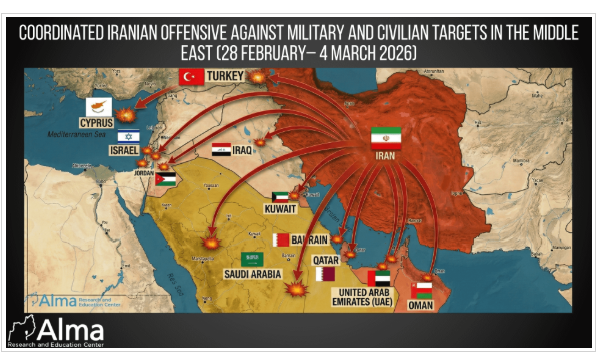
- Missile launches near Turkish airspace
- Alleged attempts to draw Türkiye into escalation
- Intelligence claims about efforts to trigger regional spillover
Despite this, Ankara maintained its position, avoiding direct military involvement.
Turkey Walks a Tightrope as Iran War Escalates Across Region
NATO Dimension: A Critical Piece
Türkiye’s role within NATO appears central to understanding Trump’s praise.
Key elements include:
- NATO missile defense systems based in Türkiye, Romania, and Poland
- Early warning radar installations in Kürecik
- Reports of a NATO rapid response corps presence in southern Türkiye
These factors imply:
👉 Any attack involving Türkiye could trigger a broader NATO response
This dynamic may explain:
- Why missiles targeting the region were intercepted
- Why escalation involving Türkiye carries global implications
Strategic Objective: Avoiding a Wider War
One interpretation is that Washington’s priority was clear:
👉 Prevent Türkiye—and by extension NATO—from entering the conflict directly
This would avoid:
- A regional war expanding into a NATO confrontation
- Direct Türkiye–Israel tensions
- A broader geopolitical escalation involving multiple fronts
From this perspective, Türkiye’s restraint aligns with U.S. interests.
Erdoğan’s Messaging: War Comes at a Cost
Speaking at a World Economic Forum-linked event in Istanbul, Erdoğan described the conflict as:
- “Unnecessary”
- “Costly for the entire world”
He emphasized:
- Rising global energy prices
- Economic consequences for all countries
- Türkiye’s commitment to staying out of the conflict
The BlackRock Factor
On the same day, Erdoğan met BlackRock CEO Larry Fink, one of the most influential figures in global finance.
This meeting highlighted another dimension:
👉 Post-war economic positioning
With BlackRock managing trillions in assets, the meeting signaled:
- Türkiye’s interest in attracting future capital flows
- The possibility of investment-driven recovery scenarios
- A strategic link between geopolitical positioning and financial opportunities
Criticism at Home
Domestically, opposition figures have questioned:
- Why Ankara criticizes Israel strongly
- But avoids direct confrontation with the United States
CHP leader Özgür Özel framed this as alignment with Washington, while others interpret it as:
👉 A calculated effort to avoid direct conflict with a major ally
A Broader Strategic Interpretation
Putting the pieces together, a plausible interpretation emerges:
- The U.S. sought to contain the conflict geographically
- Türkiye was asked to avoid escalation triggers
- Ankara complied, maintaining strategic neutrality
In return:
👉 Türkiye gained diplomatic leverage and potential economic positioning for the post-conflict phase
What Comes Next?
Key uncertainties remain:
- Will the conflict escalate further?
- Can Türkiye maintain its balancing role?
- Will economic incentives follow diplomatic restraint?
As developments continue, the answers may soon become clearer.