Morning Brief: War Drags On, Markets Unravel: Global Liquidation Wave Accelerates
 piyasa-ayi-pazari
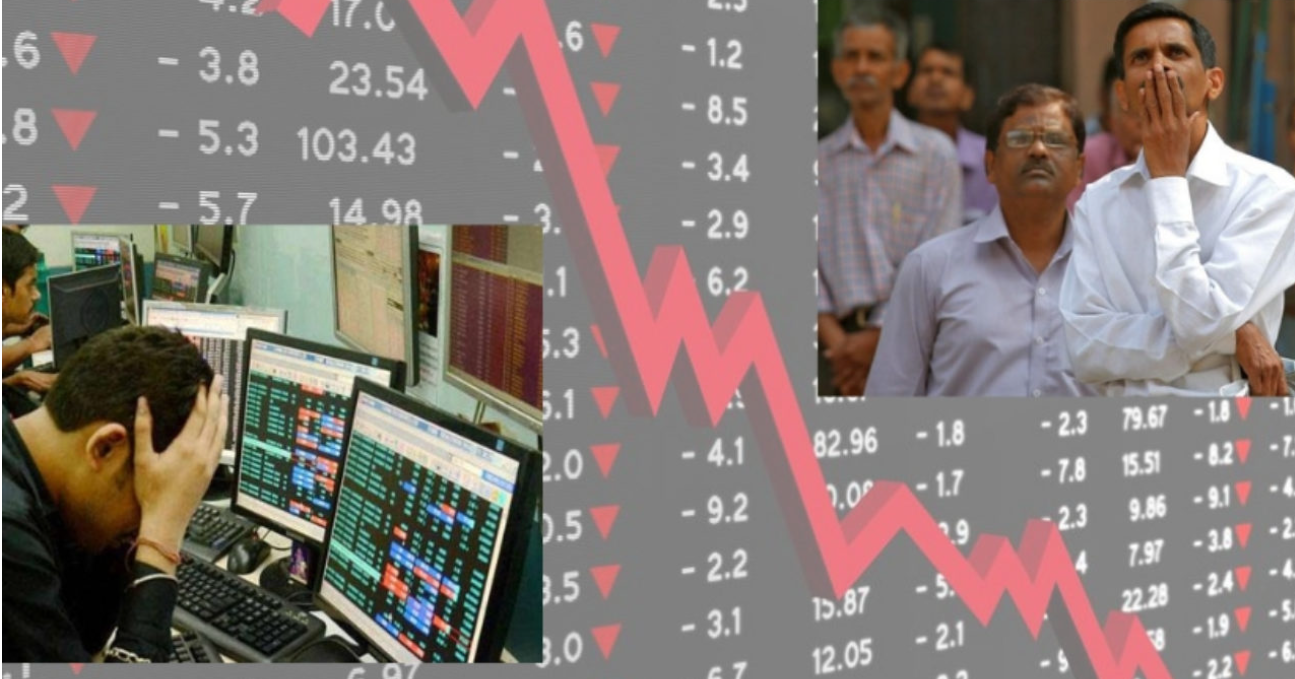
As the Iran war enters its fourth week, global financial markets are facing a sharp deterioration. A broad liquidation wave is underway, driven by surging energy prices, rising inflation expectations, and collapsing risk appetite. Investors are moving aggressively into cash, while equities, commodities, and even precious metals face heavy selling pressure. The risk of stagflation is once again at the forefront of global economic concerns.
Prolonged war deepens uncertainty
The conflict initiated by U.S. President Donald Trump has evolved into a more complex and prolonged confrontation than initially anticipated.
The absence of a clear U.S. exit strategy, combined with Iran’s resilience, is increasing concerns that the situation could spiral further out of control.
What began as a geopolitical shock is now rapidly transforming into a systemic economic risk.
Energy shock revives stagflation fears
Disruptions to oil and gas flows, alongside mounting pressure on the Strait of Hormuz, have pushed energy prices sharply higher.
- Brent crude has surged from around $60 to $120 per barrel
- European natural gas prices have risen by up to 35%
These developments are reigniting fears of stagflation — a combination of high inflation and weak growth — across the global economy.
Broad liquidation wave hits markets
Global markets are undergoing a significant shift as investors unwind risk positions.
- Major equity markets are under sustained pressure
- Investors are rotating into cash and safe assets
The Nasdaq index has declined roughly 10% from its peak, reflecting the scale of the sell-off.
Gold suffers historic sell-off
In a striking development, even traditional safe-haven assets have come under pressure.
- Gold fell 11% in a week, marking its steepest drop in 43 years
- Approximately $3.7 trillion in market value was wiped out
The sell-off is widely attributed to:
- Margin calls forcing liquidation
- Rising demand for liquidity
Silver prices also dropped sharply, losing 16% over the same period.
Rate-cut expectations reverse sharply
Rising energy prices have pushed inflation expectations higher, prompting a rapid shift in monetary policy outlooks.
- Expectations for rate cuts have largely disappeared
- Rate hike scenarios are once again being priced
The U.S. 10-year Treasury yield climbed to around 4.40%, its highest level in eight months.
Equities break key technical levels
Equity markets are showing signs of technical deterioration.
The S&P 500 index has:
- Fallen below its 200-day moving average
- Reached its lowest levels in six months
This breach is seen as a key indicator of weakening market sentiment.
Oil-stock inverse correlation intensifies
A strong inverse relationship between oil prices and equities has become increasingly evident.
- Rising oil prices are pressuring corporate margins
- Higher input costs are weighing on global growth expectations
“Cash is king” mindset returns
Market behavior suggests a return to defensive positioning.
Investors are:
- Increasing cash holdings
- Reducing exposure to volatile assets
This shift is amplifying selling pressure across asset classes, including commodities.
Escalation risks drive further volatility
Over the weekend, escalating threats between the U.S. and Iran added further pressure.
- The U.S. warned of strikes on Iran’s energy infrastructure if Hormuz remains closed
- Iran threatened to target energy, water, and critical infrastructure across the Gulf
These developments highlight the risk of disruption not only to energy supply but also to essential infrastructure in the region.
Asian markets open sharply lower
The new trading week began with heavy losses in Asia:
- South Korea’s stock market dropped around 6%
- Japan’s market declined by nearly 4%
U.S. futures also pointed to continued downside pressure.
Türkiye markets under strain
Financial conditions in Türkiye are also tightening.
- The central bank’s net FX position has declined by $29.3 billion
- The USD/TRY rate has risen to around 44.30
- The 5-year CDS risk premium climbed to 313 basis points, a nine-month high
- Two-year bond yields are approaching 40%
These indicators reflect growing external vulnerability and inflation concerns.
Conclusion
The Iran war is increasingly shaping global financial conditions, triggering a broad reassessment of risk across markets.
With energy prices surging, liquidity tightening, and monetary expectations shifting, the global economy is entering a period of heightened fragility.
Unless geopolitical tensions ease, markets are likely to remain under sustained pressure, with volatility becoming a defining feature of the near-term outlook.
Kıbrıs İktisat Bankası, Emre Değirmencioğlu
PA Turkey intends to inform Turkey watchers with diverse views and opinions. Articles in our website may not necessarily represent the view of our editorial board or count as endorsement.
Follow our English YouTube channel (REAL TURKEY):
https://www.youtube.com/channel/UCKpFJB4GFiNkhmpVZQ_d9Rg
Twitter: @AtillaEng
Facebook: Real Turkey Channel: https://www.facebook.com/realturkeychannel/
Related articles

Commentary: Economic slow-down is undermining the stock market

Weak Dollar Theme Holds, Oil Prices Slump, Setting a Positive Backdrop for Türkiye

Morning news from Turkey: Foreign policy dominates, outlook for TL positive