Morning Brief: A King Doomed to Lose?
 piyasa3
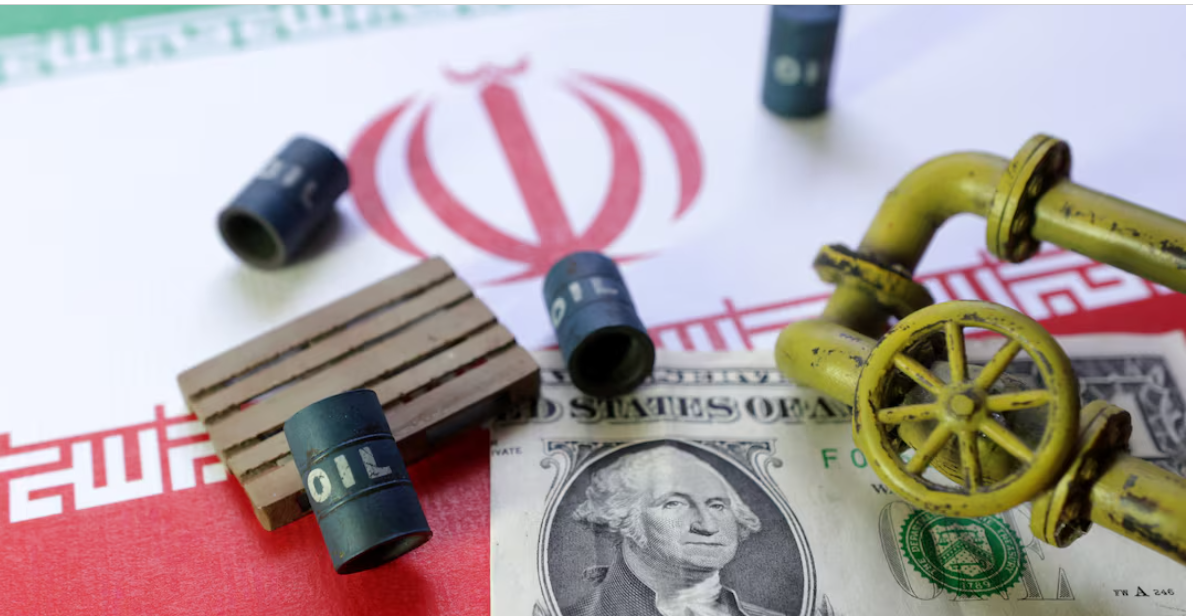
The collapse of US–Iran talks and Washington’s move toward a blockade of the Strait of Hormuz have reignited geopolitical tensions, sending oil prices sharply higher and weakening global risk sentiment. Markets are shifting back into defensive mode as inflation risks resurface and economic pressures mount—particularly for the United States.
US–Iran Talks Collapse, Tensions Escalate
High-level negotiations between the United States and Iran in Islamabad ended without agreement, despite a temporary ceasefire. The talks marked the first direct engagement between the two sides in over a decade, but failed to deliver a lasting resolution.
Washington demanded firm guarantees that Iran would not pursue nuclear weapons, while Tehran held its ground on:
- Sanctions relief
- Strategic autonomy
- Control over the Strait of Hormuz
Following the breakdown, US President Donald Trump reportedly ordered preparations for a naval blockade of Iranian shipping routes, significantly raising the stakes.
Oil Surges, Markets Turn Risk-Off
Energy supply concerns drove oil prices sharply higher:
- Brent crude: above $103 per barrel (+8%)
Markets reacted swiftly:
- The US dollar strengthened
- EUR/USD fell to 1.1670
- Equities declined across regions
Gold initially dropped despite safe-haven demand, slipping from $4,747 to $4,643 before recovering toward $4,715. Silver followed a similar pattern, briefly falling nearly 4%.
Global Equities Under Pressure
Risk aversion spread across global markets:
- US futures: down ~1%
- Japan: -1%
- South Korea and Hong Kong: near -1.5%
Major currencies, including the euro, Australian dollar, British pound, and Japanese yen, weakened against the dollar.
Inflation Risks Return, Rate Cuts Delayed
Oil prices above $100 are pushing inflation expectations higher again, complicating the outlook for central banks.
Markets are now reassessing:
- The likelihood of rate cuts
- The possibility of renewed tightening
In the US, March inflation rose to 3.3%, driven largely by energy costs.
Trump’s Economic Strategy Backfires
Before the war, the Trump administration had pursued three key economic goals:
- Lower interest rates
- A weaker dollar to boost competitiveness
- Lower energy prices
However, recent developments have reversed all three:
- US 10-year Treasury yields rose 50 basis points in a month
- The dollar index (DXY) gained 5% in two months
- Diesel prices surged to $6 per gallon, the highest since 2022
Consumer Confidence Hits Historic Lows
Economic sentiment in the US has deteriorated sharply:
- University of Michigan consumer confidence index fell to its lowest level since 1952
- Inflation jumped from 2.4% to 3.3% in just one month
This combination is increasing political pressure ahead of upcoming elections.
Global Economy Near a Tipping Point
Iran’s influence over the Strait of Hormuz is now a central risk factor for global markets:
- Energy supply disruptions
- Rising food and commodity prices
These dynamics are fueling fears of:
- Recession
- Stagflation
Shifting Geopolitical Balance
The report suggests broader strategic implications:
- The US is depleting military resources
- China and Russia are observing developments from the sidelines
This could signal a gradual shift in global power dynamics.
Longer-Term Outlook: Dollar Weakness?
Despite current strength, the medium-term outlook points to:
- A weaker US dollar
- Recovery in risk appetite
- Renewed gains in gold, silver, and Bitcoin
Central banks’ increasing preference for gold reserves continues to erode the dollar’s global dominance.
Türkiye: Reserves Rebound After Shock
Following the outbreak of war:
- Central bank reserves dropped sharply from $70 billion to $8 billion
However, recent developments show recovery:
- $8 billion in reserves added in a single day
- Net position rebounded to $21.5 billion
This suggests:
- Limited pressure on the currency
- Year-end USD/TRY expectations in the 52–53 range
Turkish Markets Stabilize
- Borsa Istanbul rose 9% over the week
- Banking index gained 12%
- CDS spreads narrowed from 330 to 240 basis points
Meanwhile, Fitch revised Türkiye’s outlook from “positive” to “stable,” citing war-related risks.
Hungary Signals Political Shift
In Hungary, Viktor Orbán was defeated after 16 years in power.
The victory of Peter Magyar is expected to:
- Normalize relations with the EU
- Accelerate institutional reforms
Focus Turns to Earnings Season
Amid geopolitical volatility, attention is shifting to:
- Goldman Sachs
- JPMorgan
Upcoming earnings will provide key insights into economic conditions.
In Türkiye, investors are watching the current account balance data due later today.
Conclusion: Rising Uncertainty, Fragile Balance
Global markets are navigating a complex mix of:
- Geopolitical tensions
- Inflation pressures
- Policy uncertainty
While short-term risks remain elevated, expectations for:
- Dollar weakness
- Recovery in risk assets
persist over the medium term.
By Emre Degirmencioglu, Kıbrıs İktisat Bankası
PA Turkey intends to inform Turkey watchers with diverse views and opinions. Articles in our website may not necessarily represent the view of our editorial board or count as endorsement.
Follow our English YouTube channel (REAL TURKEY):
https://www.youtube.com/channel/UCKpFJB4GFiNkhmpVZQ_d9Rg
Twitter: @AtillaEng
Facebook: Real Turkey Channel: https://www.facebook.com/realturkeychannel/***