Middle East War Raises Economic Risks for Türkiye
 tr iran savas
By Mehmet Ogutcu
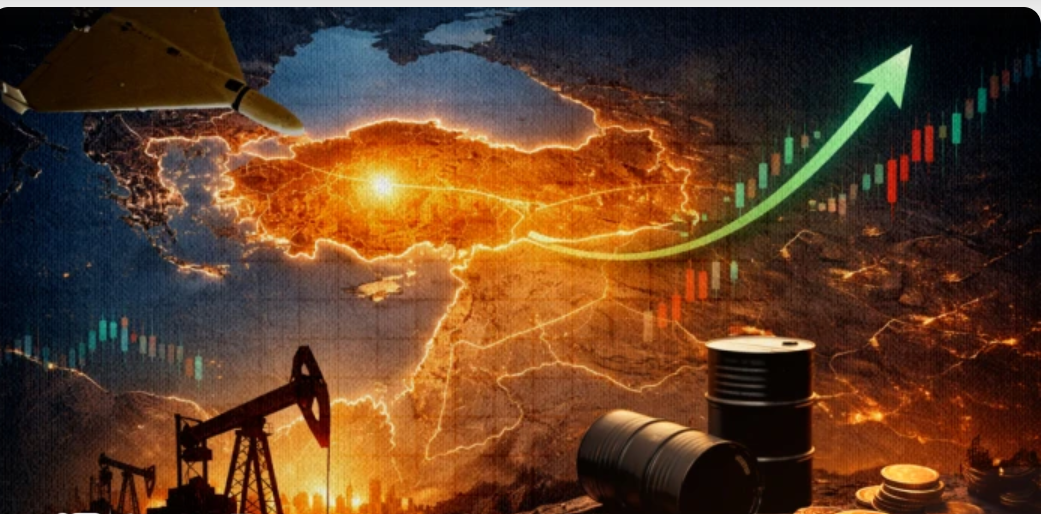
Escalating conflict in the Middle East is sending shockwaves through global energy markets and financial sentiment, posing fresh economic risks for Türkiye. As a major energy importer located at the crossroads of Europe and the Middle East, Türkiye faces rising oil costs, potential pressure on its current account and currency, and uncertainty in tourism and investment flows. Yet the crisis could also create opportunities if Ankara manages the risks while leveraging its strategic position in regional trade and energy routes.
Author Mehmet Ogutcu

Energy Shock Hits an Import-Dependent Economy
Wars rarely remain confined to the battlefield. Their economic impact spreads quickly through commodity markets, trade routes and investor sentiment.
The latest escalation in the Middle East has already triggered a surge in global energy prices. Brent crude briefly approached $120 per barrel, and some market scenarios suggest that if the conflict continues, prices could move toward $150 per barrel.
For energy-importing economies, such a surge represents a significant macroeconomic shock.
Türkiye is particularly exposed. The country imports roughly 90% of its oil and about 98% of its natural gas, leaving the economy highly sensitive to global price swings.
Higher energy prices quickly translate into a larger import bill, increased inflationary pressure and a widening current account deficit.
Historical data suggest that every $10 increase in oil prices raises Türkiye’s annual energy import bill by roughly $4–5 billion. If crude prices were to rise toward $150, the additional burden could exceed $20–25 billion over a year.
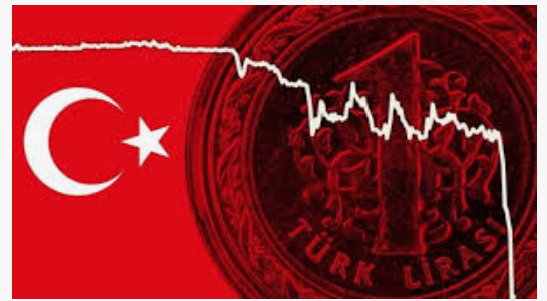
Such a development would likely widen the current account deficit and increase pressure on the Turkish lira.
Fuel Tax Mechanism Faces Its Limits
Türkiye has a mechanism designed to soften the impact of sudden fuel price increases on consumers.
Under the “eşel mobil” system, the government gradually reduces the Special Consumption Tax (ÖTV) on fuel as global oil prices rise. This helps limit pump price increases in the short term.
However, the mechanism has a built-in limit.
When oil prices rise beyond certain levels, the tax reduction eventually reaches zero, leaving no fiscal room to absorb further increases.
With Brent crude already approaching $120 per barrel, Türkiye may soon reach that threshold. If prices move toward the $135–150 range, the government would have little capacity to stabilize domestic fuel prices through tax adjustments alone.
In such a scenario, policymakers may need to consider additional tools, including targeted subsidies, fiscal support measures or policies aimed at managing energy demand.
Strategic Oil Reserves Offer Only Temporary Relief
One short-term policy option could involve the release of strategic petroleum reserves.
Türkiye participates in the International Energy Agency’s (IEA) emergency response system, which allows member countries to coordinate the release of oil reserves during supply disruptions.
These releases are designed to:
-
ease temporary supply shortages
-
calm market volatility
-
prevent panic-driven price spikes
However, strategic reserves provide only temporary relief. They can stabilize markets for a limited period but cannot resolve the geopolitical tensions that drive supply disruptions in the first place.
Financial Markets and Investor Sentiment
Geopolitical crises also affect financial markets.
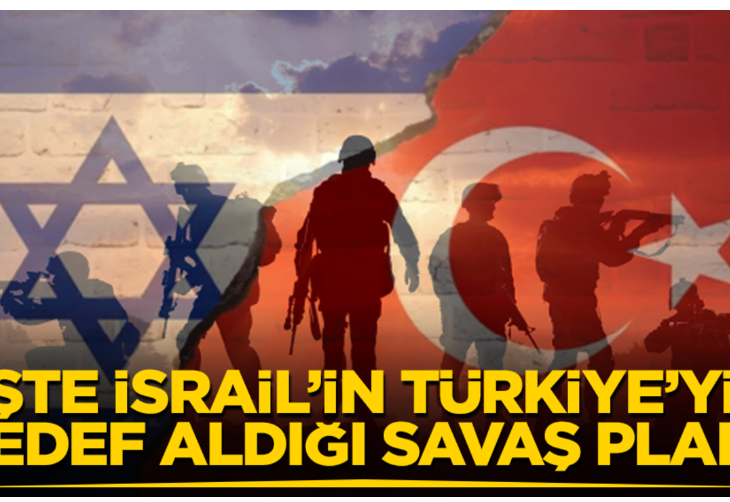
Global investors tend to react quickly to rising geopolitical risk. Even if Türkiye is not directly involved in the conflict, its proximity to the Middle East can influence perceptions of risk.
In such periods, markets may respond through:
-
higher country risk premiums
-
increased exchange-rate volatility
-
more cautious foreign investment decisions
Financial markets typically price uncertainty quickly. Maintaining credible and predictable economic policies becomes particularly important in preserving investor confidence during periods of geopolitical turbulence.
Tourism Faces Perception Risks
Tourism represents another important pillar of Türkiye’s economy.
The country welcomes more than 55 million visitors annually, generating over $50 billion in tourism revenue.
Yet tourism is highly sensitive to perceptions of safety.
Even if Türkiye remains entirely secure, extensive international media coverage of conflict in the Middle East could create the perception of instability across the broader Eastern Mediterranean region.
Such perceptions could affect travel demand, particularly from European tourists planning summer holidays.
Crisis Could Create Investment Opportunities
Despite the risks, geopolitical crises can sometimes generate unexpected economic opportunities.
Rising uncertainty in parts of the Gulf — particularly in Dubai, Qatar and Saudi Arabia — may prompt some investors and businesses to consider alternative regional bases.
Türkiye could benefit from such shifts.
With its large domestic market, diversified economy and relatively advanced infrastructure, the country may be viewed as a comparatively stable regional hub.
In recent years Türkiye has already attracted:
-
capital inflows from regional investors
-
relocating businesses
-
wealthy individuals seeking geographic diversification
If geopolitical tensions persist in the Gulf, Türkiye could potentially see new investment flows in sectors such as finance, logistics and regional trade.
Ankara’s Strategic Challenge
For policymakers in Ankara, the challenge lies in managing both the risks and the potential opportunities created by the crisis.
Three strategic priorities stand out.
First, accelerating energy diversification.
Expanding renewable energy, developing nuclear power, increasing domestic gas production and improving energy efficiency could reduce Türkiye’s heavy dependence on imported hydrocarbons.
Second, maintaining macroeconomic credibility.
In periods of global uncertainty, stable and predictable economic policies are essential to maintaining investor confidence.
Third, leveraging Türkiye’s geographic position.
As global supply chains and energy routes evolve, Türkiye could strengthen its role as a regional energy hub and logistics corridor linking Europe, Asia and the Middle East.
The Cost of War — Even for Non-Combatants
Wars rarely affect only the countries directly involved.
For Türkiye, the latest Middle East crisis is likely to bring higher energy costs, financial volatility and geopolitical uncertainty.
At the same time, it may also create opportunities if the country manages the risks effectively and capitalizes on its strategic location.
The question is no longer whether Türkiye will feel the economic consequences of the conflict — it already does.
The real challenge is whether the country can navigate the turbulence well enough to emerge stronger from the crisis.
PA Turkey intends to inform Turkey watchers with diverse views and opinions. Articles in our website may not necessarily represent the view of our editorial board or count as endorsement.
Follow our English YouTube channel (REAL TURKEY):
https://www.youtube.com/channel/UCKpFJB4GFiNkhmpVZQ_d9Rg
Twitter: @AtillaEng
Facebook: Real Turkey Channel: https://www.facebook.com/realturkeychannel/