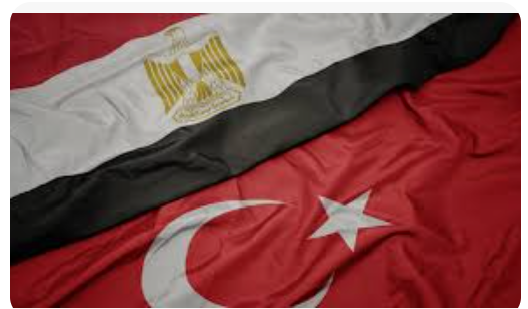
Middle East Realignment: Turkey, Egypt and Pakistan Emerge as Key Players in US–Iran Diplomacy
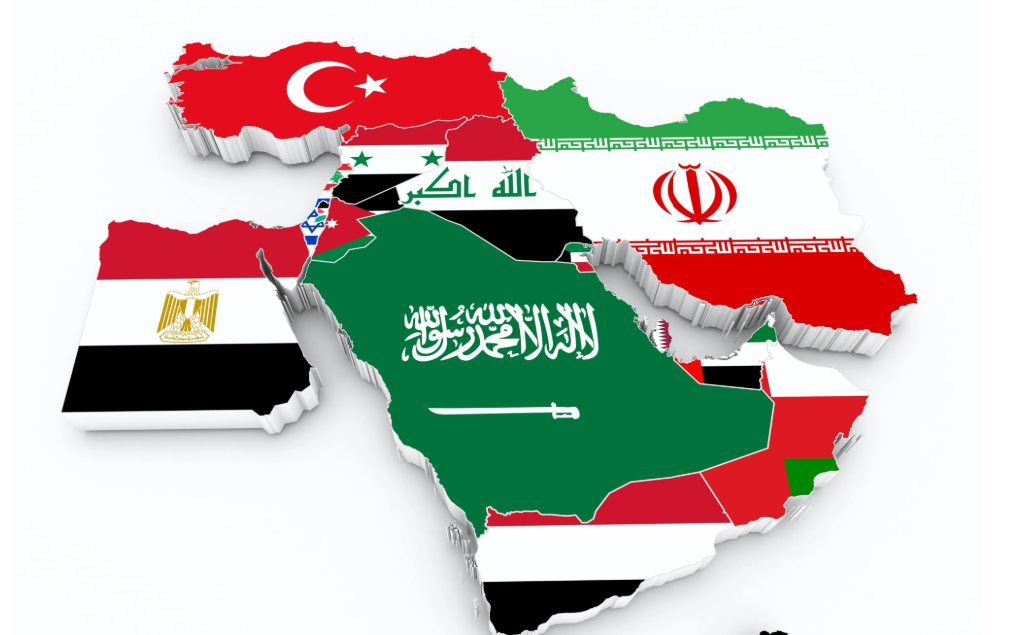 tr middle east diplomacy
Israel should be concerned
A new regional alignment led by Türkiye, Egypt and Pakistan is reshaping the diplomatic landscape of the Middle East, playing a key role in mediating between the United States and Iran. Emerging from post-Gaza war coordination among Muslim-majority countries, this bloc reflects shared economic and security interests and signals a shifting balance of power that could carry significant implications for Israel and the wider region.
Mediation Behind Trump’s Policy Shift
U.S. President Donald Trump’s decision to suspend planned strikes on Iranian power infrastructure and instead pursue negotiations was reportedly facilitated by Türkiye, Egypt and Pakistan.
At first glance, this trilateral alignment may appear unexpected. However, regional developments since the October 7 Gaza crisis suggest that this cooperation is not new but rooted in converging strategic interests.
Turkey-Israel Trade Dispute: CHP Reveals Exports Despite Ban
Origins: Post-Gaza War Coordination
The foundations of this alignment were laid in November 2023 at a summit in Riyadh, which brought together:
- 22 Arab states
- 57 Islamic countries
The goal was to establish a unified Arab-Islamic position on the Gaza war.
One key outcome was the creation of an “octet” diplomatic group including:
- Saudi Arabia
- Indonesia
- Türkiye
- Qatar
- Jordan
- Egypt
- Nigeria
- Palestinian representatives
Over time:
- Nigeria and the Palestinian representatives withdrew
- Pakistan and the UAE joined the group
Shared Agenda: Stability and Ceasefire
Despite internal differences, the group maintained a common objective:
👉 Promoting a ceasefire in Gaza and stabilizing the region
Throughout 2024:
- Joint foreign minister meetings were held
- Coordinated statements supported diplomatic initiatives
- Trump’s Gaza plan received conditional backing
Iran War Intensifies Concerns
The escalation of conflict involving Iran has heightened fears among these countries:
- Risk of regional instability turning into chaos
- Threats to energy security, particularly via the Strait of Hormuz
- Economic spillovers affecting trade and supply chains
Trump Praises Türkiye for Staying Out of Iran War as Ankara Steps Up Diplomacy
Riyadh Meeting Signals New Security Bloc
On March 18, foreign ministers from 12 countries met in Riyadh, including:
- Türkiye
- Egypt
- Pakistan
- Saudi Arabia
- UAE
- Qatar
- Jordan
- Azerbaijan and others
The joint statement:
- Condemned Iranian strikes
- Criticized Israeli military actions and expansionist policies
- Supported state control over weapons in Lebanon
Crucially, discussions also included plans to establish:
👉 A new regional security platform
focused on defense cooperation and strategic coordination
Why Türkiye, Egypt and Pakistan?
The alignment is driven by overlapping but distinct interests:
Strategic ties and agreements
- Saudi Arabia and Pakistan signed a defense pact
- Türkiye strengthened relations with both Egypt and Saudi Arabia
- President Recep Tayyip Erdoğan visited Riyadh and Cairo in February
Shared geopolitical goals
- Maintain strong ties with the United States
- Limit the regional influence of Iran
- Counterbalance Israel and potentially India
All three countries are also participants in Trump’s broader diplomatic framework, often referred to as a “Peace Council.”
A Bloc with Global Weight
This emerging alignment carries significant geopolitical weight:
- Combined population نزدیک 500 million
- Pakistan: nuclear power
- Saudi Arabia: major oil supplier
- Türkiye: NATO member with advanced defense industry
- Egypt: controls the Suez Canal
👉 Together, they form a powerful political and economic bloc
Implications for Israel
This realignment raises concerns in Israel on multiple fronts:
Growing regional isolation
- Relations with Egypt and Jordan are deteriorating
- Prospects for normalization with Saudi Arabia are weakening
Perception challenges
- Israeli military operations in multiple theaters
- Increasing perception as a destabilizing force in the region
Türkiye’s Rising Role
One of the most notable outcomes of the conflict:
👉 Türkiye’s growing influence in the Muslim world
- Iran has been weakened by war
- Saudi Arabia has shown restraint militarily
- Egypt’s regional role has diminished over time
This positions Türkiye as a leading contender for regional leadership.
What Comes Next?
Looking ahead, analysts expect:
- Increased diplomatic pressure to resolve the Palestinian issue
- Focus first on Gaza, then the West Bank
- Greater coordination among Arab and Muslim countries
👉 This new alignment could serve as the foundation for broader cooperation
The Jerusalem Post
PA Turkey intends to inform Turkey watchers with diverse views and opinions. Articles in our website may not necessarily represent the view of our editorial board or count as endorsement.
Follow our English YouTube channel (REAL TURKEY):
https://www.youtube.com/channel/UCKpFJB4GFiNkhmpVZQ_d9Rg
Twitter: @AtillaEng
Facebook: Real Turkey Channel: https://www.facebook.com/realturkeychannel/***
Related articles

Murat Yetkin: Why Did Trump Praise Erdoğan? Questions Behind Washington’s “Strategic Appreciation”
OPINION: Iran’s Weakening Is Turkey’s Opportunity — and Its Trap
Iran War Raises New Concern for Ankara: PKK Enters the Equation