



Middle East Crisis and Türkiye: 74.9pct Fear Economic Fallout
 Inflation-in-Turkey
The Middle East crisis has entered a high-stakes phase following the outbreak of a regional conflict on February 28, 2026. A comprehensive public opinion report prepared by the AK Party reveals that nearly three-quarters of the Turkish population expect a negative impact on the national economy. With the effective closure of the Strait of Hormuz, the report warns of a dual shock to energy prices and the global food supply chain, specifically highlighting a critical “fertilizer crisis” that threatens domestic agricultural security.
Middle East Crisis: Energy Spikes and Inflationary Pressures
The AK Party’s March research report underscores a deep-seated anxiety among citizens regarding the “cost of war.” According to the findings:
-
Energy Risks: 55.2% of participants identify the surge in oil and energy prices as the most significant immediate risk to their livelihoods.
-
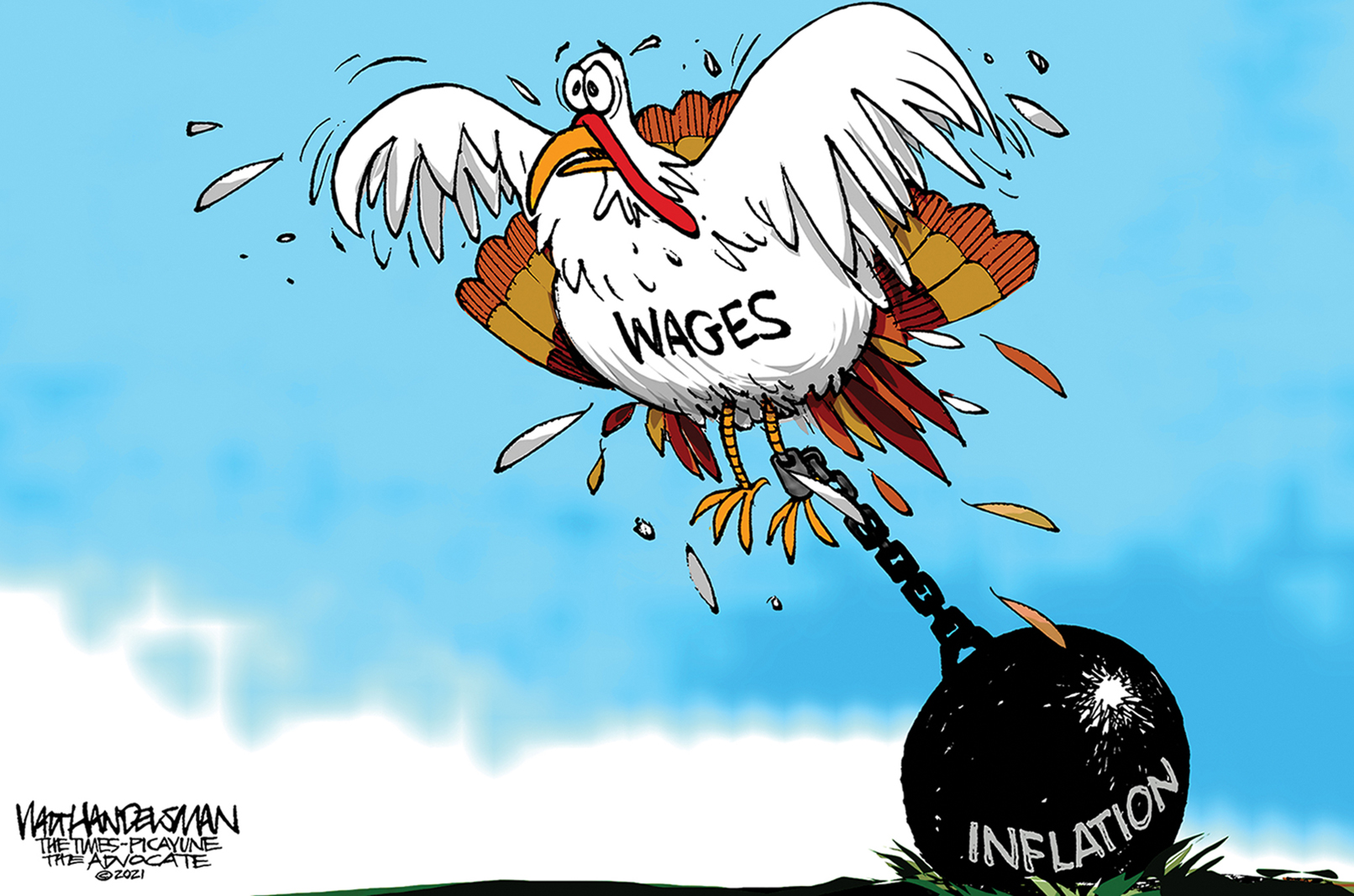
Inflation Struggle: 79.2% believe the crisis will severely complicate Türkiye’s ongoing efforts to combat inflation.
The blockade of the Strait of Hormuz has sent shockwaves through global supply chains, leading to a contraction in foreign trade volumes and stagnation in the real sector. While the public is primarily focused on fuel prices, the report identifies a “hidden danger” in the agricultural sector. The closure has cut off 38% of global nitrate-based fertilizer supplies, causing urea fertilizer prices to skyrocket by 40% within weeks. As the world’s second most vulnerable country to fertilizer shipment disruptions—after Brazil—Türkiye faces an urgent threat to its food security.
Strategic Opportunities: The Rise of the Middle Corridor
Despite the economic gloom, the report suggests that Türkiye could emerge from this crisis as “Eurasia’s indispensable logistics hub.” As traditional southern maritime routes become paralyzed, the Middle Corridor and Development Road projects have gained unprecedented strategic value. These routes offer the fastest and most reliable alternative for cargo traveling from Asia to Europe, bypassing the volatility of the Bosphorus and the Suez Canal.
To navigate this period, the report outlines a “Buffer and Neutrality” strategy:
-
Food Inflation Control: Immediate creation of “buffer stocks” for fertilizers to stabilize agricultural production costs.
-
Logistics Fortification: Accelerating infrastructure investments to manage the increased cargo flow through alternative trade routes.
-
Active Neutrality: Maintaining a diplomatic balance to capture export markets left vacant by warring regional powers.
By leveraging its geostrategic position, Türkiye aims to transform the current regional instability into a long-term economic advantage, securing its role as the backbone of global trade between East and West.
Source: karar