Media and Money Laundering: Turkish Authorities Launch Sweep Into Ekol TV as Ersan Şen Named in Probe
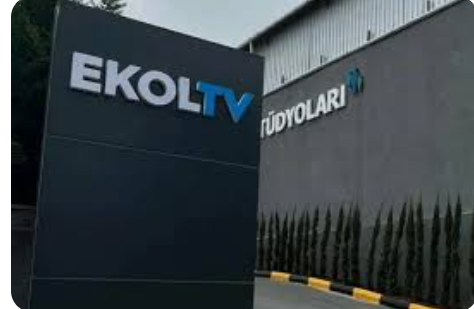 ekol tv
ISTANBUL – The Turkish judiciary has intensified its crackdown on illicit financial flows within the media sector, launching a sweeping investigation into the recently shuttered Ekol TV. The Küçükçekmece Chief Public Prosecutor’s Office is scrutinizing the channel’s financing, stock transfers, and ownership structures since its inception, marking a high-stakes turn in Turkey’s efforts to sanitize its financial system.
High-Profile Figures Under the Lens
The investigation targets four prominent figures associated with the broadcaster’s operations:
-
Prof. Dr. Ersan Şen: A high-profile criminal lawyer and media personality.
-
Mübariz Mansimov: Billionaire businessman and owner of Palmali Holding.
-
Veysel Şahin: A notorious figure previously linked to illegal gambling and shadow finance.
-
Emrah Doğru: Editor-in-Chief of Ekol TV.
Ekol TV, which announced it was ending its two-year broadcast run late last month citing “economic hardship,” is now suspected of serving as a conduit for “cold wallet” crypto transfers and offshore fund injections. Prof. Dr. Ersan Şen has issued a staunch denial to Odatv, stating: “I have no commercial relationship with Ekol TV, nor do I have any information regarding these allegations.”
Widening the Net: The Can Holding and Ciner Holding Files
The Ekol TV probe is part of a broader systemic audit that has touched some of Turkey’s largest industrial conglomerates in early 2026.
1. The Can Holding “Fuel and Media” Audit
Authorities have expanded their oversight into Can Holding, the conglomerate that notably acquired Bilgi University and has deep roots in the energy and electronics sectors (TMT). The investigation focuses on alleged discrepancies in fuel trade accounting and the flow of capital used to acquire media assets. Investigators are currently tracing whether industrial revenues were commingled with undocumented foreign capital to inflate asset values during the group’s rapid 2024 expansion.
2. Ciner Holding: Asset Re-evaluation and Divestment
In a parallel development, Ciner Holding—one of Turkey’s most influential media and mining giants (owner of Habertürk)—has come under regulatory scrutiny regarding the “cleanliness” of its recent asset sales.
-
The Probe: Following the group’s divestment from several large-scale energy and soda ash projects, regulators are auditing the repatriation of these funds.
-
The Context: While Ciner has not been directly accused of money laundering, the MASAK (Financial Crimes Investigation Board) is reportedly vetting the transaction intermediaries to ensure no “recycled capital” from sanctioned regional actors entered the Turkish banking system during the group’s multi-billion dollar liquidity shifts.
A Nationwide Clean-Up: From Grand Bazaar to Digital Hubs
The crackdown is not limited to media suites. In the first week of January 2026, Turkish police executed the “Fourth Wave” of the Grand Bazaar (Kapalıçarşı) Operation.
-
80 Arrests Across 20 Provinces: Authorities disrupted a massive currency-exchange network suspected of laundering proceeds from regional conflicts and illegal betting.
-
Asset Seizures: Police seized 28 luxury vehicles and 41 real estate properties linked to the syndicate.
The “New Normal” for 2026
As Turkey battles to maintain its standing outside the “Grey List,” analysts suggest that even “untouchable” media moguls and elite lawyers will remain under constant surveillance. The pivot toward transparency is no longer optional; with Public Debt at ~25% of GDP and a massive $20 billion external debt wall to climb this year, Ankara knows that international investor confidence depends entirely on the perceived integrity of its domestic legal system.