Market Preview: BIST 100 Tests 13,000 as Energy Shocks Loom
 borsa
borsa
The global economic landscape in early 2026 is being reshaped by the smoke of conflict in the Middle East. Following large-scale US aerial operations against Iranian targets and Tehran’s firm rejection of ceasefire negotiations, financial markets have entered a period of extreme volatility. With the White House claiming “complete control” over Iranian airspace and the vital Strait of Hormuz facing a de facto blockade, the crisis has transcended military boundaries to become a systemic economic threat.
Borsa Istanbul: The Battle for the 13,000 Mark
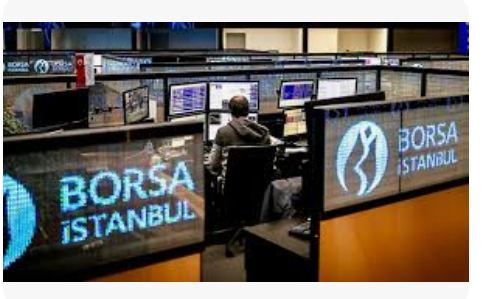
After a punishing start to the week where the BIST 100 index shed 5.7% of its value due to geopolitical jitters, a wave of reaction buying has emerged. The index successfully tested the 12,800 support level before climbing back above 13,000. This 13,000 mark is far more than a psychological barrier; it represents the 50-day moving average, a technical line in the sand for many institutional investors.
Analysts suggest that maintaining a position above 13,000 could open the door for short-term speculative buying. However, until the 13,400 resistance is convincingly broken, the market remains in a “wait-and-see” mode. For those looking to trade the current swings, 12,800 serves as a critical stop-loss point. While the banking sector showed a 1.3% recovery yesterday, the looming threat of further escalation suggests that capital preservation remains the priority.
Morning Brief: A $14 Billion Reserve Hit for Türkiye as Iran War Shakes Global Markets
Currencies and Bonds: Central Bank Interventions
In the domestic Turkish market, liquidity remains tight. The Central Bank of the Republic of Turkey (CBRT) has suspended weekly repo auctions, effectively pushing up funding costs and delaying expectations for a March interest rate cut.
-
Bond Market: After a period of heavy selling, bond yields saw a slight retreat. The benchmark bond yield settled at 37.86%, while the 10-year yield moved to 30.77%. Despite this local cooling, rising US Treasury yields continue to exert pressure on emerging market assets.
-
USD/TRY: The Lira remains relatively stable due to consistent foreign exchange sales by the CBRT. The 44.00 level is currently the primary psychological resistance. A sustained break above this threshold could trigger a move toward 44.10, while 43.90 remains a solid floor.
-
EUR/USD: Reduced expectations for a Fed rate cut pushed the parity down toward 1.1530 earlier this week. However, a bounce back above 1.16 has provided some relief. The 200-day moving average at 1.1670 is the next hurdle for a short-term bullish reversal.
The Energy Crunch: Hormuz and the $85 Barrel
The most immediate “contagion” from the war is felt in the energy sector. The closure of the Strait of Hormuz—the world’s most important transit point for oil and LNG—has sent Brent crude toward $85, marking a two-year high. For energy-dependent economies, this creates a “growth shock” scenario: ballooning current account deficits combined with cost-push inflation.
With Qatar halting LNG production following strikes at its industrial hubs, global supply is expected to contract by nearly 19%. Goldman Sachs warns that a sustained 10% rise in energy prices could shave 0.2% off the GDP of the UK and the Eurozone, highlighting the global stakes of this regional conflict.
Gold: The Ultimate Safety Net
Unsurprisingly, gold has reclaimed its crown as the premier safe-haven asset. Despite occasional profit-taking and pressure from a stronger Dollar, spot gold remains resilient above the $5,000 support level. Geopolitical uncertainty is fueling forecasts of $5,250 and even $5,400 if the conflict expands further into a regional ground war.
On the local front, the Gram Gold price is caught between a steady Dollar and rising international bullion prices. After dipping toward 7,100 TL, the asset is now eyeing 7,400 TL and 7,600 TL as potential targets, with 7,060 TL serving as a new support zone.
Looking Ahead: Data vs. Diplomacy
While the headlines are dominated by military movements, investors are also bracing for key economic data releases. US non-farm payrolls, unemployment rates, and wage growth figures due this Friday will be pivotal in determining the Fed’s next move. Similarly, Eurozone GDP revisions will provide a snapshot of how fragile the European recovery is in the face of skyrocketing energy bills.
For the individual investor, the current climate demands diversification. While the BIST 100 offers “dip-buying” opportunities, the high volatility suggests that balanced funds or bond-heavy portfolios may provide a smoother ride during this storm. All eyes remain on the Strait of Hormuz; any sign of a diplomatic opening could lead to a massive relief rally, but for now, the markets are prepared for a long, cold winter of conflict.
Source: QNB Invest Turkey
PA Turkey intends to inform Turkey watchers with diverse views and opinions. Articles in our website may not necessarily represent the view of our editorial board or count as endorsement.
Follow our English YouTube channel (REAL TURKEY):
https://www.youtube.com/channel/UCKpFJB4GFiNkhmpVZQ_d9Rg
Twitter: @AtillaEng
Facebook: Real Turkey Channel: https://www.facebook.com/realturkeychannel/
Related articles

Muscat Over Istanbul: Inside the High-Stakes Diplomacy and Iran’s 5-Stage War Plan

Market Outlook: Global Markets Brace for Nvidia Earnings as Tech Sell-Off Deepens

“Gold Goes Under the Pillow, Silver Under the Bed”: Turkish Jewelers Flag Surging Demand and Policy Strains