



Majority Opposes Bridge and Highway Privatization, Survey Finds
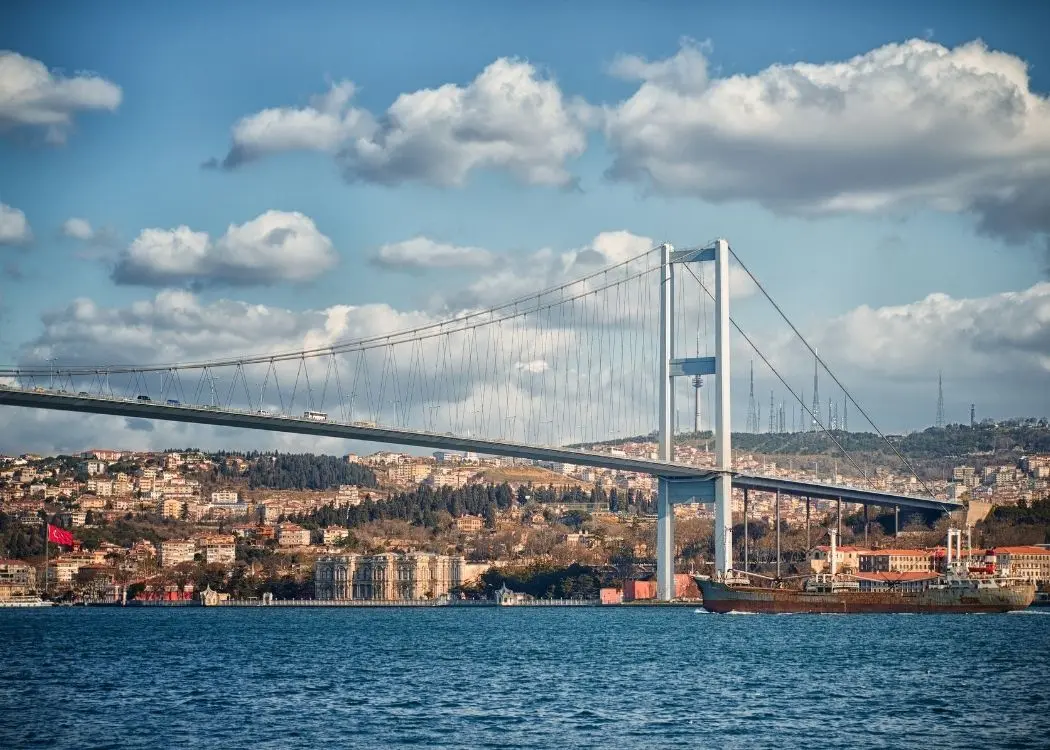 istanbul-bridge
A new nationwide survey indicates that a majority of citizens in Turkey oppose the privatization of publicly owned institutions, including bridges and highways. The findings were released after statements from the ruling Justice and Development Party (AK Party) reaffirmed privatization as part of its economic approach.
The poll, conducted by BUPAR with 1,000 participants, asked respondents whether they generally support the privatization of public institutions and enterprises. According to the results, 51.9 percent opposed privatization, while 33.4 percent supported it. A further 14.9 percent stated they were undecided.
The debate gained renewed attention after AK Party Deputy Group Chairman Faruk Gökkuş publicly confirmed the government’s intent regarding infrastructure assets.
“Yes, we will privatize the bridges. This is the economic system we believe in. Whatever we deem beneficial for the homeland and the nation, we will continue to implement, despite opposition. This is our governing approach,” Gökkuş said.
Bridges and Highways Face Stronger Opposition
The survey suggests that opposition intensifies when the focus shifts specifically to bridges and highways. These assets are often regarded as strategic public infrastructure, directly affecting daily transportation, logistics, and commerce.
Public concerns typically center on potential toll increases, long-term public benefit, and fiscal transparency. As a result, infrastructure privatization remains one of the most sensitive aspects of economic reform.
The findings reflect broader public hesitation regarding the transfer of ownership of critical national assets to private entities.
Do Privatizations Serve the Public Interest?
Participants were also asked whether past privatizations in Turkey had primarily served the public interest or the interests of specific groups.
The responses revealed notable skepticism:
22.7 percent said privatizations served the public interest.
57.3 percent said they benefited specific groups.
20 percent reported having no opinion.
These results indicate that more than half of respondents believe prior privatizations have disproportionately favored certain interests rather than delivering widespread public benefit.
Perceptions of fairness and transparency often play a decisive role in shaping public support for economic policy measures.
Public-Private Partnership Projects Under Review
The survey further examined awareness of financial guarantees in Public-Private Partnership (PPP) projects. Respondents were asked whether they knew that in projects such as the Osmangazi Bridge and the Yavuz Sultan Selim Bridge, if guaranteed traffic levels are not met, the Treasury compensates private companies for the shortfall.
33.2 percent said they were aware of the guarantees.
21.5 percent said they had heard of them but did not know the details.
45.3 percent said they were not aware.
After being informed about these Treasury-backed guarantees, participants were asked whether their perspective on PPP projects had changed.
60.3 percent stated that their opinion became more negative.
30 percent reported that their views remained unchanged.
This shift suggests that greater transparency regarding fiscal commitments significantly influences public attitudes toward infrastructure financing models.
Debate Over Economic Policy Likely to Intensify
The survey highlights a gap between government policy intentions and public sentiment. While privatization remains part of the AK Party’s economic framework, the data indicates that a majority of respondents are skeptical—particularly when strategic transportation infrastructure is involved.