Liquidity Up, Credit Down: Decoding Central Bank’s Latest Paradox
 tcmb rezerv
ISTANBUL — In a bold macroprudential move on January 31, 2026, the Central Bank of the Republic of Türkiye (TCMB) delivered a clear message to the corporate world: Foreign Currency (FX) credit is no longer a tool for development; it is a systemic risk.
By slashing the 8-week growth limit for FX loans from 1% to 0.5% and tightening the screws on FX overdraft accounts (KMH), the TCMB is not just targeting individual firms—it is re-engineering the entire system’s exposure.
The Great Contradiction: Record Reserves vs. Tight Credit
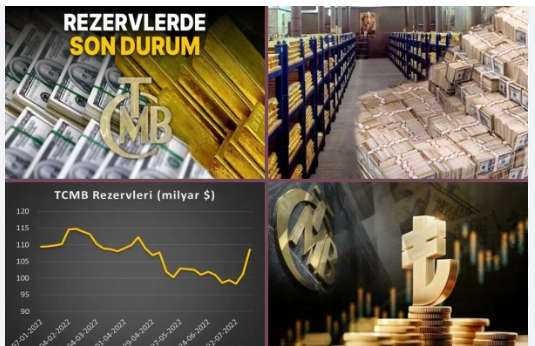
On paper, the TCMB boasts record-high reserves. However, as veteran financial advisor Erol Taşdelen notes, there is a stark difference between “gross reserves” and “usable, crisis-ready liquidity.” The current reserve buildup is largely composed of swaps, reserve requirements, and FX gathered from the banking system.
The TCMB’s logic is defensive: “While I build reserves, I must stop the creation of new FX liabilities.” Every FX loan issued today is a guaranteed demand for foreign currency in the future—a liability the Central Bank is no longer willing to underwrite.
Why the Sudden Clampdown on Exporters?
Traditionally, FX loans were reserved for “safe” entities: exporters, firms with FX income, and those with investment incentives. However, the TCMB has observed three troubling trends:
-
Liquidity Arbitrage: Firms were taking cheap FX loans, converting them to Lira, and using the proceeds for domestic operations—effectively conducting a “carry trade” under the guise of an export hedge.
-
Balance Sheet Cosmetics: Loans were often used to “beautify” financial statements rather than funding actual industrial capacity.
-
The “Phantom” Hedge: While these firms have FX income, a sudden global shock (Fed hikes or regional tension) could still trigger defaults if the currency gap widens too fast, paralyzing the real sector.
The Winner and the Loser: Stability vs. Growth
The TCMB is consciously choosing to sacrifice short-term industrial dynamism to buy “long-term insurance” against a balance sheet crisis.
| The “Cost” to Industry | The “Gain” for the System |
| Expensive Alternatives: Small and mid-cap exporters must now turn to TL loans with interest rates in the 45-50% range. | Bank Solvency: Commercial bank balance sheets are becoming more resilient to currency shocks. |
| Investment Freeze: Without cheap FX financing, many firms will delay capacity expansions and technology upgrades. | Reduced Pass-Through: By choking the credit-demand-inflation chain, the TCMB limits how much currency volatility hits consumer prices. |
| Rising Costs (WPI): Higher financing costs will inevitably trickle down to Wholesale Price Index (WPI) inflation. | Controlled External Debt: Private sector external debt is being forcefully deleveraged. |
Analysis: Pre-empting the Nightmare Scenario
The TCMB is haunted by a specific “Nightmare Scenario”: a global energy or geopolitical shock that spikes the exchange rate while corporations are sitting on $200 billion in FX debt. By “suffocating” this demand today, they hope to avoid a wave of defaults tomorrow.
In short, the Central Bank is no longer managing FX loans to boost exports; it is managing them to prevent a crash.
By Erol Tasdelen, financial advisor, author of bankavitrini.com newsportal, ParaAnaliz columnist