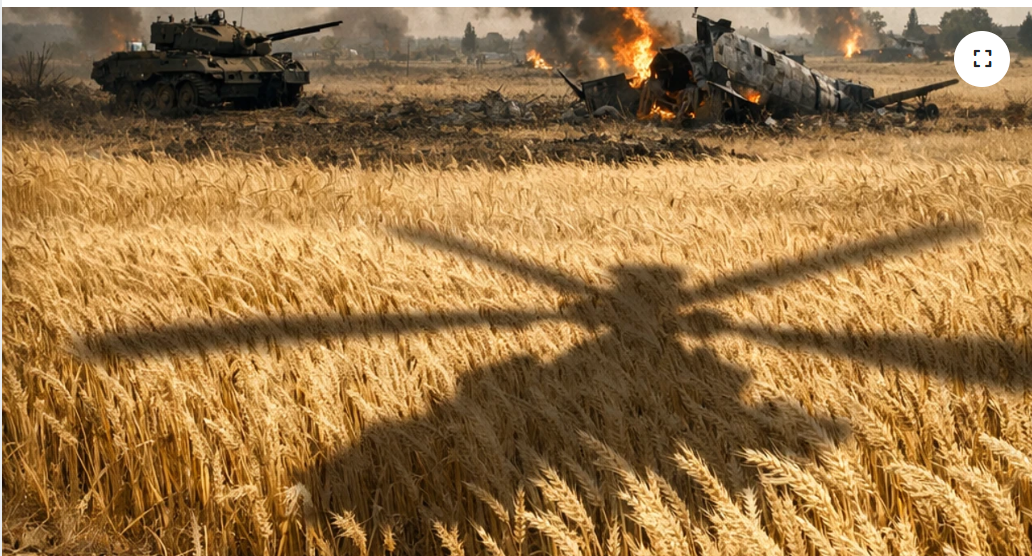
Kurdish Groups Signal Support for War Against Iran as Regional Tensions Escalate
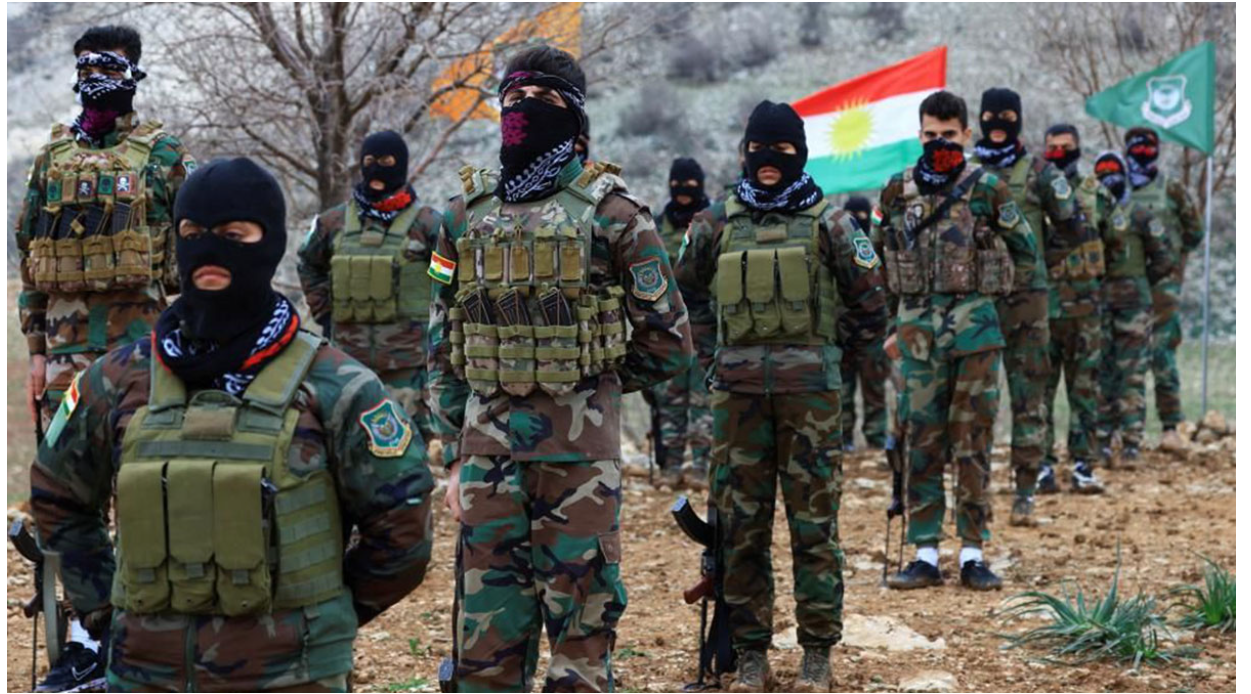 kürt gerilla
Statements from Iranian Kurdish opposition groups suggest that some factions are preparing to support a potential ground offensive against Iran following U.S. President Donald Trump’s declaration that Washington seeks regime change in Tehran. While groups such as PAK say they would join a U.S.-led operation under certain conditions, analysts warn that such a move could trigger wider instability across Iraq and the region.
Kurdish Groups Signal Readiness for Ground Operations
As the conflict between the United States, Israel and Iran intensifies, several Iranian Kurdish opposition organizations have indicated they could support military action against Tehran.
Following President Donald Trump’s remarks endorsing regime change in Iran, reports emerged that Washington and Tel Aviv may consider mobilizing Kurdish armed groups as part of a possible ground operation.
Senior figures from Kurdish opposition organizations operating primarily in northern Iraq have begun publicly discussing the prospect of armed operations inside Iran.
A senior official from the Democratic Party of Iranian Kurdistan (PDKI), Mohammad Saleh Kadiri, told Israeli media that Kurdish forces were already present inside Iranian territory.
According to Kadiri, a “large Kurdish force” is currently operating within Iran and preparations for a military campaign against the Iranian regime could begin “soon.”
He described the current moment as a “historic opportunity” for the Kurdish population and expressed confidence that other ethnic groups in Iran could eventually join a broader uprising against Tehran.
Call for Closer Relations with Israel
Kadiri also signaled a willingness to deepen ties with Israel.
In the interview, he emphasized similarities between Kurdish and Israeli political struggles and suggested that Kurdish groups would welcome a “strong friendship” with Israel if a rebellion against the Iranian government were to unfold.
Observers note that Kurdish armed factions would likely require air support from the United States and Israel if any large-scale uprising inside Iran were to take shape.
PAK: Support Possible, But Not as Frontline Force
Another Kurdish faction, the Kurdistan Freedom Party (PAK), also expressed conditional support for a potential U.S.-led operation.
Officials from the group told the Associated Press that PAK fighters could join coalition forces if Washington launches a ground offensive against Iran.
However, PAK leaders stressed that their fighters should not serve as the primary assault force.
“We would participate in the war, but our fighters should not be used as the spearhead of an American operation,” a PAK representative said, referencing past conflicts in which Kurdish forces suffered heavy losses.
PAK official Khalil Nadiri also claimed that the group has covert armed members already positioned inside Iranian cities who could quickly join an anti-government uprising if hostilities escalate.
Ankara isn’t worried about Iran War delaying the Peace Process
Trump’s Remarks Fuel Debate
President Trump added to the debate earlier this week when he publicly supported the idea of Kurdish groups attacking Iran, saying it would be “great” if they chose to do so.
International media have previously reported that Washington and Israel may attempt to mobilize Iranian Kurdish groups as part of efforts to destabilize the Iranian government.
Five Kurdish armed groups announced shortly before the war that they had formed a coordination alliance. Most of these organizations operate within the territory of the Kurdistan Regional Government (KRG) in northern Iraq.
The region is politically divided between two major Kurdish parties: the Kurdistan Democratic Party (KDP) based in Erbil and Dohuk, and the Patriotic Union of Kurdistan (PUK) centered in Sulaymaniyah.
Analysts Warn of Regional Escalation
Some analysts warn that any attempt by Kurdish armed groups to enter Iran could trigger severe regional consequences.
Journalist and Middle East analyst Islam Özkan said that even covert crossings from Iraqi Kurdish territory into Iran would be extremely difficult.
The Kurdistan Regional Government lacks the authority to approve such moves independently, he noted, as decisions on military operations ultimately fall under the jurisdiction of Iraq’s central government.
If Kurdish militants were nevertheless able to infiltrate Iran, Özkan warned that Tehran could respond with direct retaliation against Kurdish areas in Iraq.
Possible scenarios include missile strikes on Erbil or Sulaymaniyah, military intervention across the border, or clashes between Kurdish forces and Iran-aligned militias such as Hashd al-Shaabi.
Such developments, he said, could lead to a severe Kurdish-Shiite conflict inside Iraq.
Kurdish Leaders Urge Caution
Some Kurdish political figures have also cautioned against being drawn into the conflict.
Shanaz Ahmed, a prominent figure in the PUK and the spouse of Iraq’s president, criticized attempts by global powers to mobilize Kurdish fighters for geopolitical purposes.
“Kurdish people cannot accept being treated as pawns by global powers,” she said, warning that Kurdish groups have historically been abandoned once their strategic value diminishes.
Türkiye Watches Developments Closely
The unfolding situation has also raised concerns in Türkiye.
German newspaper Frankfurter Allgemeine Zeitung reported that Ankara is closely monitoring reports that U.S. and Israeli intelligence services could support Kurdish opposition groups inside Iran.
According to the analysis, Türkiye fears that such cooperation could strengthen the PKK and further strain relations between Ankara and Washington.
While the weakening of Iran’s nuclear program could theoretically align with Turkish interests, the newspaper noted that Ankara remains concerned about the broader destabilizing effects of a regional war.
Turkish press sources
PA Turkey intends to inform Turkey watchers with diverse views and opinions. Articles in our website may not necessarily represent the view of our editorial board or count as endorsement.
Follow our English YouTube channel (REAL TURKEY):
https://www.youtube.com/channel/UCKpFJB4GFiNkhmpVZQ_d9Rg
Twitter: @AtillaEng
Facebook: Real Turkey Channel: https://www.facebook.com/realturkeychannel/
Related articles
President Erdoğan Condemns U.S.-Israeli Strikes on Iran, Warns Against Regional Escalation
Left-Wing Cumhuriyet: Tight Monetary Policy is Dead
Türkiye Summons Iranian Ambassador: NATO Intercepts Missile in Major War Escalation