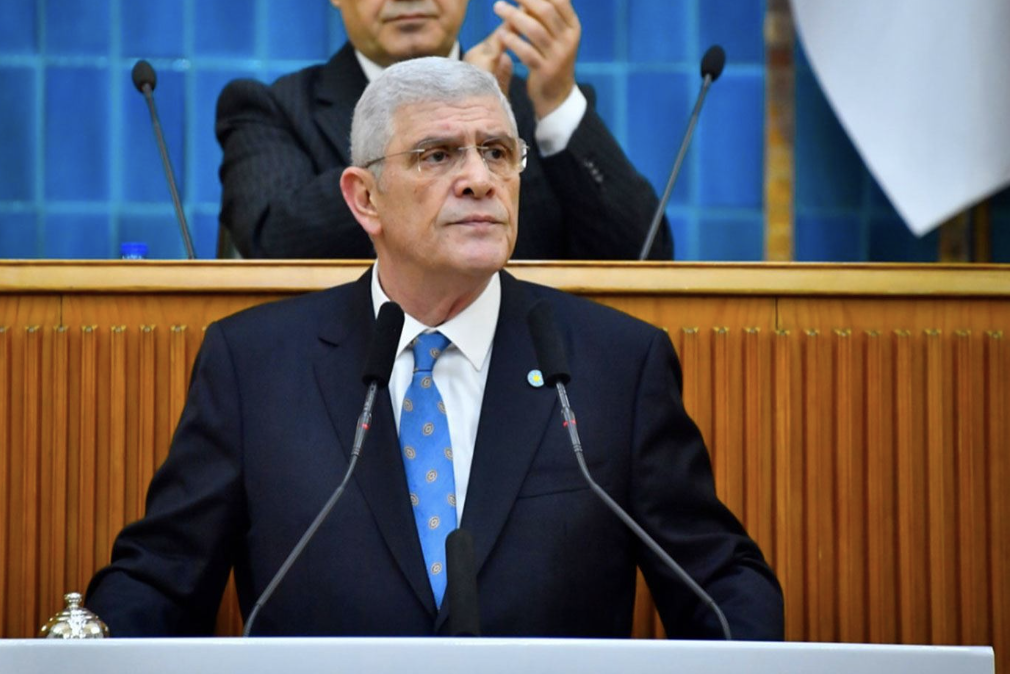
Kavala Case Returns to Strasbourg as Lawyers Accuse Türkiye of Ignoring ECHR Rulings
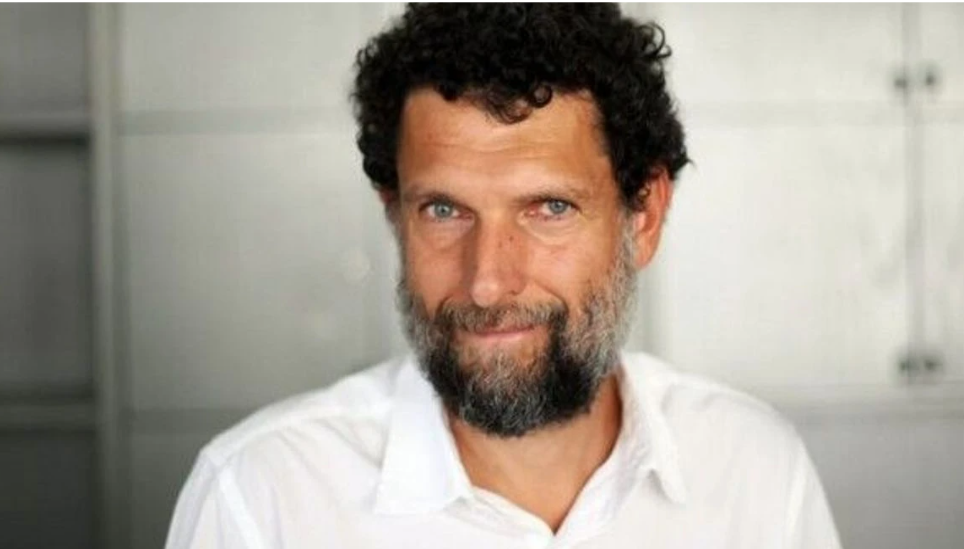 osman kavala
Lawyers for imprisoned businessman and civil society figure Osman Kavala told the European Court of Human Rights (ECHR) that Türkiye has continued to detain him based on evidence previously ruled insufficient by the court. The case, now before the Grand Chamber, has reignited debate over judicial independence, compliance with international rulings, and the broader rule of law environment in Türkiye.
Lawyers: “No New Evidence Since 2019”
At a hearing in Strasbourg, Kavala’s legal team argued that Turkish authorities have relied on the same evidence that the ECHR had already deemed inadequate in its 2019 ruling.
According to the defense:
- No substantial new evidence has been introduced
- Authorities pursued new charges based on the same facts
- Kavala ultimately received an aggravated life sentence
Lawyer Ben Emmerson Leach told the court that “nothing of substance changed” after the 2019 judgment, despite the court’s earlier finding that Kavala’s detention was arbitrary and politically motivated.
Case Focuses on Post-2019 Violations
The latest application centers on alleged violations occurring after two key ECHR rulings:
- 2019: Detention found arbitrary and politically motivated
- 2022: Türkiye ruled non-compliant with the earlier decision
Kavala’s lawyers argue that continued detention constitutes a new and ongoing breach of his rights under the European Convention.
Ankara Defends Conviction, Cites Domestic Remedies
Türkiye’s government asked the court to dismiss the application, arguing that:
- Two separate appeals are still pending before the Constitutional Court
- Domestic legal remedies have therefore not been exhausted
Officials also defended the conviction, describing the 2013 Gezi Park protests as an “insurrectionary movement” rather than peaceful demonstrations.
According to the government, Kavala was convicted not for direct violence but for allegedly helping organize and direct events.
The Economist: Erdoğan Using Geopolitical Leverage to Deflect Criticism Over İmamoğlu Case
Defense: Trial Criminalized Civil Activity
Kavala’s legal team rejected these claims, arguing that the prosecution effectively criminalized lawful civic engagement.
They cited activities such as:
- Public discussion of protests
- Criticism of police actions
- Engagement with European institutions on human rights
The defense also raised concerns about the fairness of the trial, pointing to:
- Judges disciplined after acquitting Kavala
- Appointment of a former ruling party candidate to the bench
- Refusal to fully examine key evidence
Council of Europe Highlights Broader Concerns
Council of Europe Commissioner for Human Rights Michael O’Flaherty framed the case as part of a wider pattern in Türkiye.
He highlighted:
- Pressure on human rights defenders and journalists
- Concerns over judicial independence
- Broad application of criminal and anti-terror laws
- Delays in Constitutional Court proceedings
Two of Kavala’s individual applications remain pending before Türkiye’s top court.
Political Storm: Turkish Mayor Detained in Widening Crackdown
No Immediate Ruling Expected
The Grand Chamber concluded the hearing without issuing a decision. A final judgment will be delivered at a later date.
A Long-Running Dispute with Strasbourg
The Kavala case has become emblematic of Türkiye’s complex relationship with the ECHR.
- The court has issued multiple rulings against Türkiye
- Implementation of judgments remains a key point of contention
- The Council of Europe has previously initiated infringement proceedings over Kavala’s continued detention
Observers say the outcome of this case could have broader implications for:
- Türkiye’s compliance with international legal obligations
- The credibility of its judicial system
- Relations with European institutions
Outlook: A Test Case for Rule of Law
As the Grand Chamber deliberates, the Kavala case is widely viewed as a critical test of Türkiye’s commitment to the rule of law and its obligations under the European Convention on Human Rights.
Key questions remain:
- Will Strasbourg escalate pressure on Ankara?
- Can domestic courts deliver a resolution?
- What are the broader political implications?
The answers may shape not only Kavala’s fate but also Türkiye’s legal and diplomatic trajectory.
Cumhuriyet, Turkish Minute, PA Turkey news desk
Related articles
Türkiye secures 250 million euros for earthquake aid
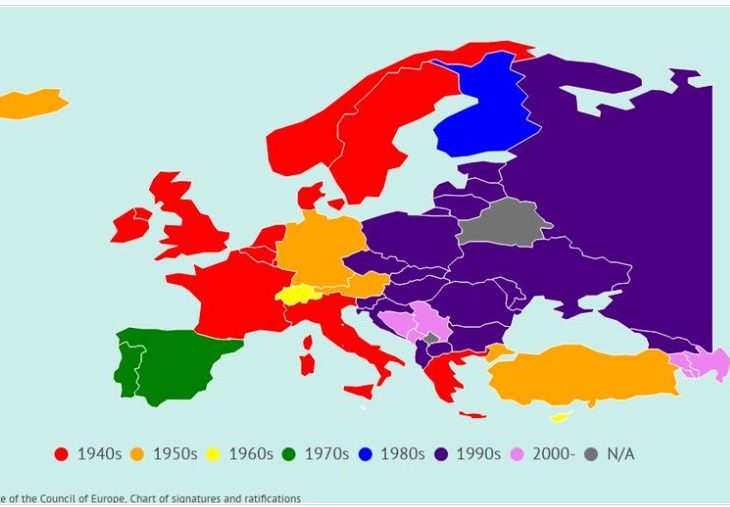
Final warning by Council of Europe to release political prisoners Osman Kavala, Salahaddin Demirtas
Imamoğlu Trial Deepens Controversy as New Investigation Targets Courtroom Footage