



Kanal Istanbul Zoning Moves Advance in Arnavutköy
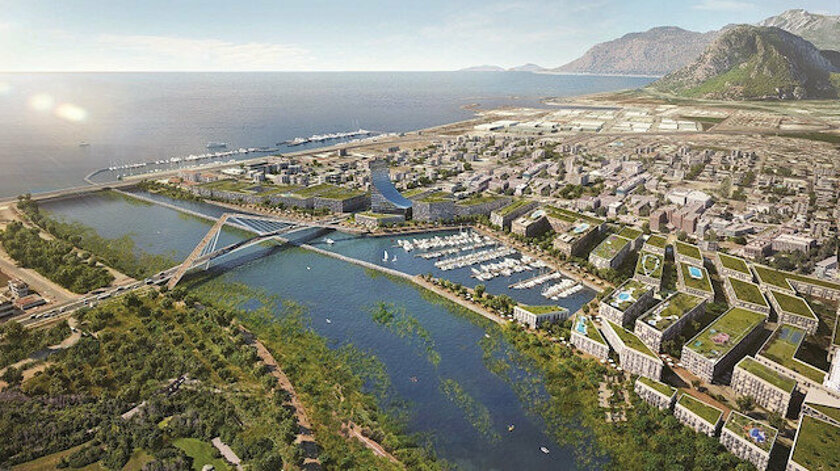 Kanal İstanbul
New zoning decisions along the Kanal Istanbul route have reignited debate as Türkiye’s Ministry of Environment, Urbanization, and Climate Change approved and suspended for public review three separate planning amendments in Istanbul’s Arnavutköy district.
The decisions directly affect areas considered central to the planned “Yenişehir” (New City) reserve construction zone envisioned around the canal project. According to official notices published in early February, more than 400,000 square meters of land across different neighborhoods have undergone zoning status revisions.
The developments once again place the spotlight on the long-discussed Kanal İstanbul project and its surrounding residential expansion plans.
Three-Phase Zoning Adjustment in Arnavutköy
The approved amendments span several key zones in Arnavutköy, each involving adjustments to land-use allocations and development density.
In the Boyalık and Baklalı region, covering approximately 333,000 square meters, a plan announced on February 3 outlined measures to reduce population density. Residential zones were narrowed, while the allocation for religious facilities was increased. The revisions reflect a recalibration of projected settlement intensity within the designated area.
A second amendment, dated February 5, covers approximately 72,000 square meters around Türkköşe Creek. This revision introduced a new “municipal service area” classification. Similar to the Boyalık-Baklalı plan, the share of land designated for housing was reduced.
The third and most closely watched decision involves Dursunköy, one of the most debated points along the canal corridor. Parcelization plans prepared under Article 18 of Türkiye’s Zoning Law were formally approved by the ministry, clearing the way for further implementation steps.
Dursunköy and “Yenişehir” Housing Debate
Dursunköy has become a focal point of broader discussions surrounding the canal project’s urban dimension. The neighborhood includes areas where the “Yenişehir” housing developments are being built, prompting both political and technical scrutiny.
Tensions previously emerged between central authorities and Istanbul Metropolitan Municipality officials, particularly over infrastructure and environmental compliance issues. The Istanbul Water and Sewerage Administration (İSKİ) had earlier stated that certain construction areas fall within a drinking water basin protection zone, arguing that water services could not be provided under existing regulations.
The dispute was subsequently carried into legal proceedings, highlighting the regulatory and environmental complexities associated with large-scale urban transformation projects.
Sazlıdere Concerns Resurface
Urban planning experts have repeatedly warned that continued development pressure around the Sazlıdere basin could affect both water collection capacity and the surrounding ecosystem. The Sazlıdere Dam supports Istanbul’s broader water supply system, and its catchment area has long been considered environmentally sensitive.
Critics argue that persistent zoning in these areas could compromise ecological sustainability, while ministry officials maintain that the planning revisions align with the principles governing reserve construction zones.
The ministry’s position emphasizes that the changes are consistent with established urban planning criteria and part of a structured development vision for the Yenişehir reserve area.
Broader Urban and Strategic Implications
The Kanal Istanbul project has long stood at the center of discussions on urban expansion, environmental sustainability, and infrastructure strategy in Istanbul. Beyond the canal itself, the associated New City development plan represents a substantial transformation of land use in the European side of the metropolis.
The latest zoning approvals indicate that administrative processes related to the project corridor are advancing, even amid ongoing public debate.
From a planning perspective, zoning amendments often serve as technical steps that shape long-term settlement patterns, infrastructure networks, and population distribution. Adjustments to residential density, service area designations, and parcelization frameworks can significantly affect how and when development occurs on the ground.
As the revised plans remain on public display for review, stakeholders—including residents, local authorities, and environmental groups—may file objections within the legally prescribed period.