Istanbul Report Warns Food Insecurity Concerns at Record High
 aclik
aclik
Summary:
Concerns over access to adequate food in Istanbul have reached their highest level on record, according to a new report by the Istanbul Planning Agency (İPA), highlighting the deepening cost-of-living crisis facing households in Türkiye’s largest city. The findings show widespread cutbacks in spending, rising credit card debt stress, and growing economic anxiety.
Food Access Anxiety Hits Record Levels
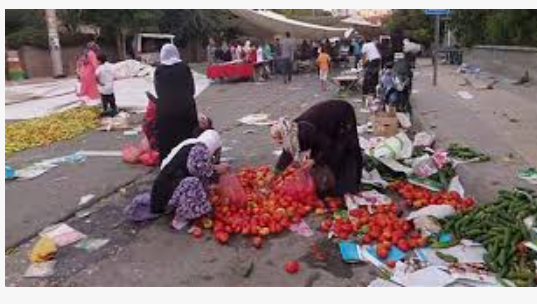
Concerns about access to sufficient food among Istanbul residents have climbed to unprecedented levels, according to the December 2025 Istanbul Barometer published by the Istanbul Planning Agency (İPA), an institution affiliated with the Istanbul Metropolitan Municipality (İBB).
The monthly survey, based on telephone interviews, shows that 49.4% of respondents reported anxiety over being unable to access adequate food as of September 2025—the highest level recorded since the index was launched.
The data points to a sharp deterioration in living standards as inflation and weak purchasing power continue to weigh on household budgets.
Dining and Clothing Spending Cut Back
Rising economic pressure has led to widespread reductions in discretionary spending. According to the survey, 63.4% of Istanbul residents said they reduced spending on eating out over the past month.
Cutbacks were also evident in clothing expenditures. Some 55.8% of respondents reported reducing apparel spending, while only 11% said they increased such spending. Around one-third indicated no change.
The findings underscore how households are prioritizing essential expenses while pulling back on non-essential consumption.
Credit Card Debt Pressure Intensifies
The strain on household finances is increasingly reflected in credit card usage. In December, 35.4% of respondents said they were only able to make the minimum payment on their credit card balances, while 9.6% reported being unable to make any payment at all.
These figures represent the highest levels recorded during the 2024–2025 period, marking a notable increase from November, when 31.3% said they could only meet minimum payments.
Analysts say the data highlights the growing reliance on consumer credit to manage everyday expenses.
Economy Dominates Public Agenda
The Istanbul Barometer also shows that economic concerns dominated both Istanbul’s and Türkiye’s national agenda throughout 2024 and 2025, alongside issues related to the judiciary and politics.
During the summer months, the share of respondents stating they could not make ends meet rose sharply. Over the course of the year, a majority of households reported being unable to save, reinforcing concerns about long-term financial resilience.
Details of Food Insecurity Concerns
Breaking down the food access data, the report shows that in September 2025:
-
17.9% of respondents said they frequently worried about accessing sufficient food
-
13.3% said they sometimes had such concerns
-
8.2% said they rarely experienced food-related anxiety
By November 2025, the combined share of respondents reporting some level of concern stood at 45.1%, indicating that food insecurity worries remained widespread even after easing slightly from their peak.
New Year Celebrations Shifted Indoors
Economic pressures also reshaped social behavior. The survey found that 93.1% of respondents spent New Year’s celebrations at home or with close family and friends in December 2025, up from 91.8% a year earlier.
Some 30.8% of participants said they changed how they celebrated the New Year specifically due to economic reasons, reflecting how financial constraints are influencing lifestyle choices.
A City Under Growing Financial Strain
Taken together, the findings paint a picture of a city under mounting economic stress. Rising food insecurity concerns, increased dependence on credit cards, and widespread spending cutbacks suggest that inflation and weak real incomes continue to erode household welfare in Istanbul.
Economists warn that persistent pressure on household budgets could have broader implications for consumption, social cohesion, and urban economic stability if conditions fail to improve.