Israel-Iran Energy Escalation Tests Türkiye’s Gas Supply Resilience
 iran gazı
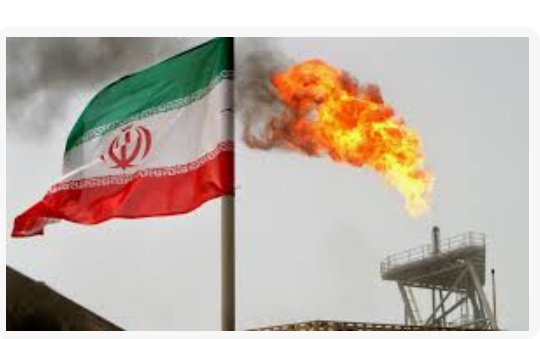
Israel’s strike on Iran’s South Pars gas field and Tehran’s retaliatory attacks across the الخليج region have heightened concerns over energy security, disrupting gas flows to Türkiye. Despite a sharp drop in Iranian supply, analysts say Ankara is well-positioned to manage the shock through storage reserves, alternative pipelines, and LNG imports.
Strike on South Pars Raises Global Energy Concerns
Israel’s targeting of Iran’s South Pars gas field — one of the world’s most critical energy assets — and Iran’s subsequent retaliatory actions across the الخليج have pushed regional energy risks to elevated levels.
Shared by Iran and Qatar, South Pars holds an estimated 51 trillion cubic meters of reserves, making it the largest natural gas field globally. It supplies roughly 70% of Iran’s domestic consumption and serves as a key export source, including flows to Türkiye.
The escalation has directly impacted regional energy infrastructure, with supply routes coming under pressure.
Iranian Gas Flows to Türkiye Drop Sharply
Türkiye imports approximately 13% of its annual natural gas needs — around 7 billion cubic meters (bcm) — from Iran.
According to sector data cited by energy expert Olcay Aydilek:
-
Daily gas flows fell from 30–31 million cubic meters (mcm)
-
To just 7–8 mcm within a day
Given Türkiye’s total daily consumption of roughly 180 mcm, the decline appears significant. However, analysts argue the system remains manageable.
Strategic Storage Provides Buffer
Türkiye’s gas storage capacity is emerging as a key stabilizing factor.
TEPAV analyst Muhdan Sağlam notes:
-
Tuz Gölü and Silivri storage facilities: 6.3 bcm total capacity
-
Current storage levels: near full
Even partial use of these reserves could offset the shortfall from Iran.
In addition, domestic gas production in the Black Sea has reached approximately 10 mcm per day, further supporting supply security.
Alternative Supply Routes Available
Türkiye also retains flexibility through underutilized pipeline capacity and diversified suppliers.
Key options include:
-
Russia:
Blue Stream and TurkStream pipelines have a combined capacity of 30 bcm, but only 21 bcm was used last year, leaving room for increased imports. -
Azerbaijan:
Additional volumes could be secured via existing agreements. -
Reallocation of exports:
Türkiye could redirect part of its 3.5 bcm gas exports to the Balkans toward domestic consumption if needed.
LNG and Renewables Strengthen the System
Energy Minister Alparslan Bayraktar reiterated that Türkiye faces no immediate supply crisis.
Recent developments supporting this view include:
-
Increased LNG imports, particularly from the United States
-
Expanding renewable energy capacity
In early January, wind power accounted for roughly 25% of electricity generation, reducing reliance on gas-fired power.
Mild weather conditions in March have also helped suppress gas demand.
Analysts Expect “Soft Landing”
Market participants broadly agree that Türkiye is likely to absorb the shock without severe disruption.
Supporting factors include:
-
The peak winter demand period has passed
-
High storage levels
-
Flexible supply infrastructure
-
Lower seasonal consumption
As a result, the current disruption is expected to result in a “soft landing” rather than a supply crisis.
PA Turkey intends to inform Turkey watchers with diverse views and opinions. Articles in our website may not necessarily represent the view of our editorial board or count as endorsement.
Follow our English YouTube channel (REAL TURKEY):
https://www.youtube.com/channel/UCKpFJB4GFiNkhmpVZQ_d9Rg
Twitter: @AtillaEng
Facebook: Real Turkey Channel: https://www.facebook.com/realturkeychannel/***
Related articles
BREAKING: Russia Says Sanctions Prevent It From Maintaining Gas Pipeline To Turkey, Balkans

Will Türkiye Invade Iran? Kurdish Dynamics Could Shape Ankara’s Next Move
TRIPP Project: Washington’s Strategic Play to Redefine the South Caucasus, Turkey’s Windfall