Iraq’s Economy on the Brink: Oil Collapse Threatens $20B Trade Corridor with Turkey
 irak ekonomi
The escalating conflict between Iran and the U.S. has pushed Iraq’s oil-dependent economy toward a structural collapse. As the Strait of Hormuz remains effectively shuttered, Baghdad’s inability to export crude is sending shockwaves across the border to Turkey, its primary supplier of consumer goods and construction materials.
According to recent data and field reports, Iraq is no longer merely facing a “fiscal crunch”—it is entering a period of acute national insolvency. For Turkey, which counts Iraq as its third-largest export market globally, this financial contagion threatens to trigger a localized recession in its southeastern industrial hubs.
1. The Hormuz Deadlock: A 90% Collapse in Exports
Iraq remains one of the world’s most oil-dependent nations, with crude sales accounting for a staggering 92% of total budget revenue. The closure of the Strait of Hormuz by Iranian forces has severed the country’s primary economic artery.
-
Free-Falling Figures: Since the conflict intensified in early 2024, Iraq’s oil exports have plummeted from 3.4 million barrels per day (bpd) to a mere 250,000 bpd. This represents a near-total cessation of the state’s cash flow.
-
Production Paralysis: With southern terminals in Basra inaccessible, storage tanks have reached critical levels. This has forced the suspension of drilling operations and a three-quarter cut in total production, leaving the sector physically stagnant.
-
The Fiscal Toll: Analysts estimate that the blockade has already cost Iraq $5.4 billion—roughly 2% of its 2024 GDP. The daily revenue loss is currently pegged at $128 million.
2. The Turkish Trade Corridor: A $20 Billion Risk
For Turkey, Iraq is not just a neighbor; it is a vital economic pillar. As the top export destination for Turkish goods in the Middle East, the $15–$20 billion bilateral trade volume is now exposed to a massive “demand shock.”
-
Sectoral Impact: Turkey’s $13 billion export basket to Iraq consists largely of essential consumer goods: grains, pulses, pharmaceuticals, furniture, and construction materials. A total liquidity collapse in Baghdad means thousands of Turkish SMEs (Small and Medium Enterprises) are facing canceled orders and uncollectible receivables.
-
The Salary Crisis: Iraqi economists warn that the caretaker government may only have enough reserves to cover public sector salaries for another month. Once those payments stop—likely by May—domestic demand for Turkish imports will evaporate, potentially causing a social and economic vacuum.
-
Logistics Gridlock: The Ibrahim Khalil (Habur) border crossing, which sees thousands of Turkish trucks daily, is the pulse of the regional economy. A recession in Iraq will leave the Turkish logistics and transport sector with massive idle capacity and significant job losses.
3. The Ceyhan Pipeline: A Fragile Lifeline
With the southern route blocked, Baghdad has turned desperately to the North. However, the Kirkuk-Ceyhan pipeline to Turkey’s Mediterranean port is far from being a total solution.
-
Technical Bottlenecks: While the line has a theoretical capacity of 1.6 million bpd, years of neglect and previous militant attacks have left it degraded. It currently manages only 250,000 bpd.
-
Political Tensions: The arrangement between Baghdad and the Kurdistan Regional Government (KRG) to use this line remains tenuous. It only functions today due to intense pressure from Washington, and any flare-up in internal Iraqi politics could shut the valves once more.
-
Revenue Deficit: Even if the throughput is doubled to 500,000 bpd, it will not generate enough revenue to cover Iraq’s basic social welfare obligations, let alone its bloated public payroll.
4. The Energy Paradox: Flaring Gas While Importing Power
Iraq’s chronic failure to modernize its infrastructure has become a national security liability during this war.
-
Dependency on Iran: One-third of Iraq’s power grid relies on Iranian gas imports. As Israeli strikes hit Iranian gas fields and trade routes are disrupted, Iraq faces a catastrophic power deficit just weeks before the peak summer heat.
-
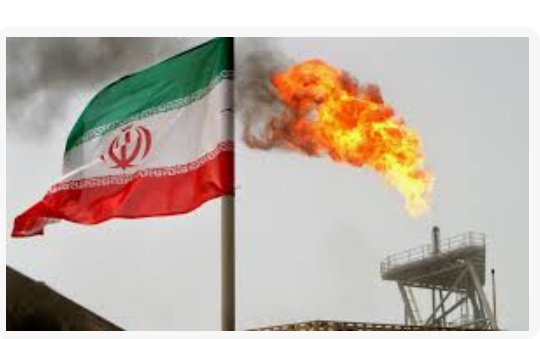
The Flaring Scandal: Paradoxically, Iraq flares (burns off) nearly the same amount of gas it imports from Iran. This waste—estimated at $4 billion annually—could have generated enough electricity to bridge the current deficit, but two decades of oil wealth were never converted into domestic energy security.
5. Implications for Turkey: A Regional Recession Scenario
Economists are sounding the alarm that a financial meltdown in Iraq will export a recession directly into Turkey’s border provinces:
-
Industrial Slowdown: Cities like Gaziantep, Mardin, and Şırnak are the “factory floors” for the Iraqi market. A cessation of trade will lead to production halts in organized industrial zones and a rise in regional unemployment.
-
Financial Contagion: The Turkish banking sector and export credit agencies (like Eximbank) will need to closely monitor the rise of Non-Performing Loans (NPLs) among firms heavily leveraged in the Iraqi market.
-
Current Account Pressure: Iraq has long been a source of hard currency for Turkey. The loss of this inflow will complicate Ankara’s efforts to maintain its current account balance during a period of global economic volatility.
Conclusion: A Reckoning Beyond the Crisis
The current conflict has laid bare a structural reality: Iraq’s failure to diversify its economy and secure alternative export routes has left it uniquely vulnerable. For Turkey, this is not just a “neighbor’s problem.” It is a systemic risk to a multi-billion dollar export machine.
When the guns eventually fall silent, the structural deficiencies will remain. The operative question is whether Baghdad and Ankara will finally build the resilient infrastructure—like the “Development Road” project—required to prevent the next crisis from becoming a total economic blackout.
PA Turkey news desk, FT, al Shawaq news