Iranian Missiles Over Turkey: Why Patriot Systems Intercepted?
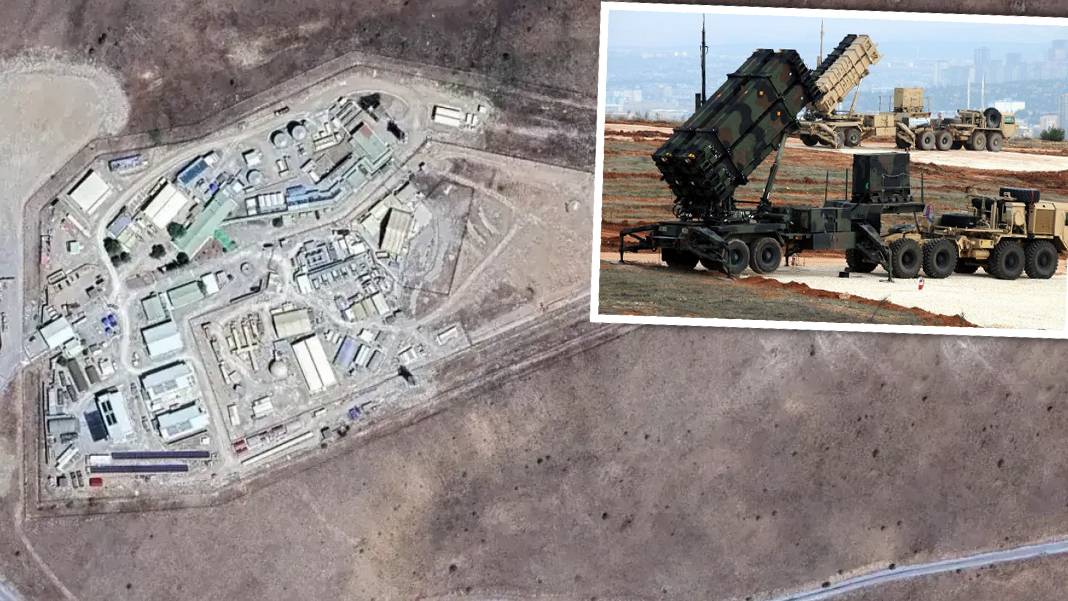 Turkey-patriot-missile-systems
The Ministry of National Defense (MSB) has issued a definitive statement regarding the recent interception of Iranian Missiles Over Turkey, originating from Iran, and the strategic deployment of Patriot missile batteries in Malatya. Addressing public inquiries on why specific defense layers were utilized, the Ministry underscored Turkey’s indispensable role as a cornerstone of NATO’s southeastern flank and the technical realities of high-speed missile defense.
Automatic Response: The Logic of Interception
In response to questions regarding the selection of defense systems during the March 9 incident—where Iranian munitions entered Turkish airspace—the MSB highlighted the autonomous nature of modern air defense.
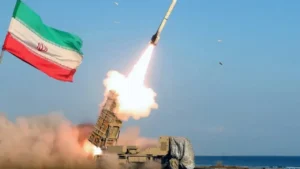
According to the Ministry, the window for reaction against ballistic threats is incredibly narrow. The Integrated Air and Missile Defense System is designed to automatically calculate and deploy the “most suitable and fastest interception tool” based on real-time data. In this instance, NATO-linked assets in the Eastern Mediterranean successfully neutralized the threat, proving the efficacy of the current multi-layered security architecture.
Geopolitical Fortification: Malatya and Northern Cyprus
The escalation of the US-Israel-Iran conflict has prompted Turkey to trigger advanced defense protocols. Key military movements include:
-
Malatya Deployment: A Patriot system, coordinated through NATO’s Allied Air Command in Ramstein, Germany, is being stationed in Malatya to bolster national airspace security.
-
Northern Cyprus (TRNC) Reinforcement: To counter rising drone and missile risks in the region, Turkey has deployed six F-16 fighter jets and additional air defense systems to the TRNC.
-
Maritime Surveillance: TSK naval and air units are maintaining continuous reconnaissance in the Eastern Mediterranean to prevent any “fait accompli” or unauthorized military buildup.
Iranian Missiles Over Turkey: Clarifying the Status of İncirlik Air Base
The Ministry also addressed misconceptions regarding İncirlik Air Base in Adana. Officials reiterated that İncirlik is a Turkish Air Force base, owned entirely by the Republic of Türkiye and commanded by a Turkish Brigadier General. While the base hosts personnel from the US, Spain, Poland, and Qatar under international agreements, it remains under Turkish sovereign jurisdiction and houses national F-16 and tanker fleets.
Regional Stability and Counter-Terrorism
Beyond the missile threat, the MSB reported significant progress in border security and counter-terrorism. Over the past week, Turkish forces destroyed 3 kilometers of tunnels in Northern Syria, bringing the total neutralized tunnel network to 764 kilometers. Additionally, border units apprehended 78 individuals attempting illegal crossings, including 7 terrorists, reinforcing the “layered security system” at the frontiers.