Iranian Missiles Intercepted Are ‘Messages’ for Turkey: Bloomberg
 iran missile
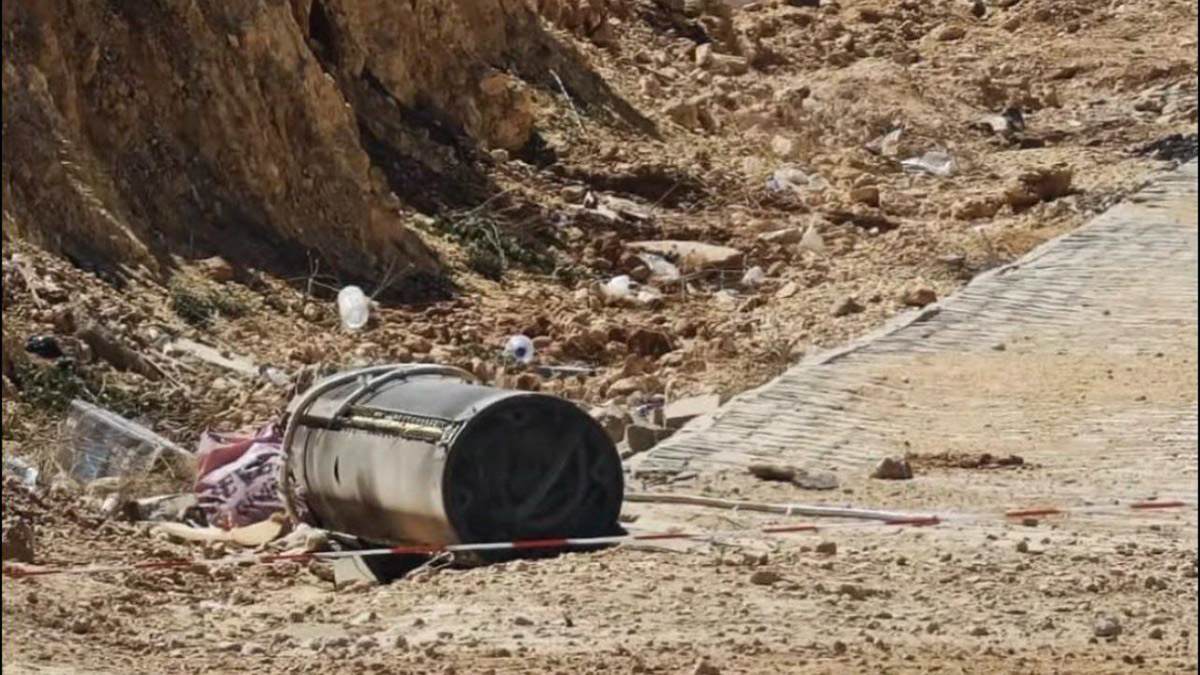
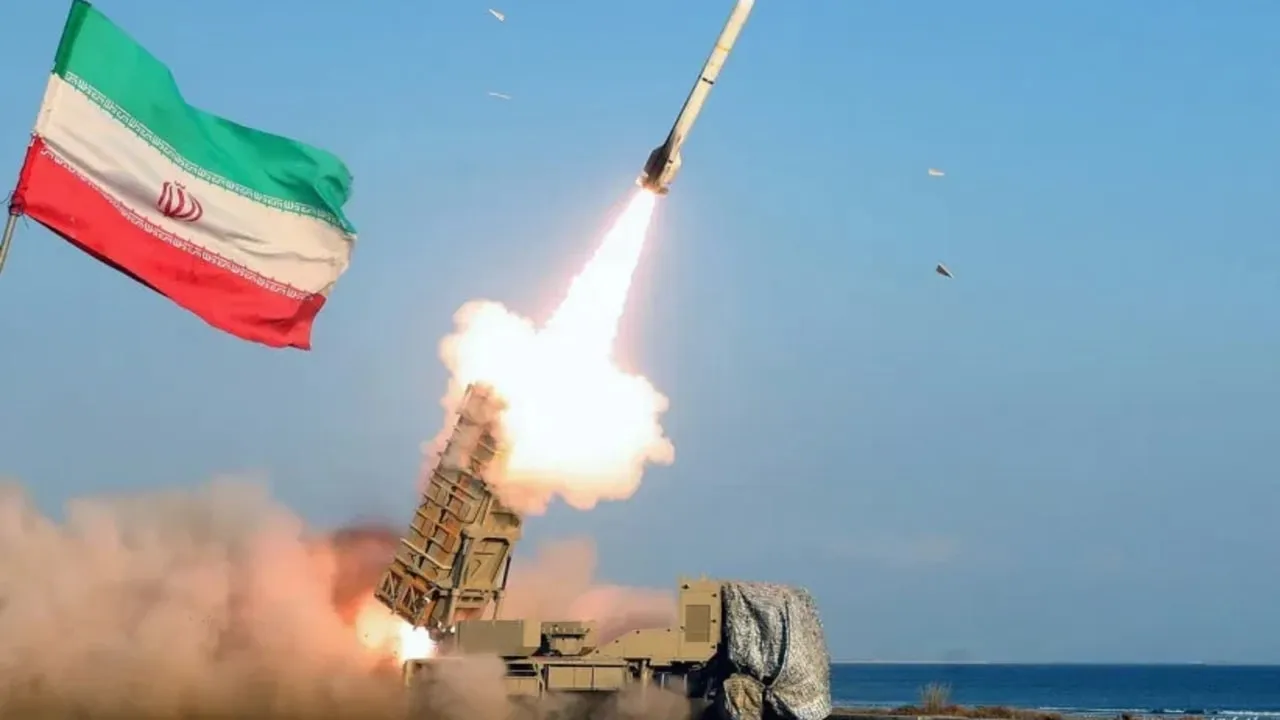
A dangerous new escalation in the ongoing regional conflict has reached Turkey’s borders. According to a detailed report by Bloomberg, citing Turkish officials and security experts, NATO defense systems have intercepted at least three Iranian missiles launched from Iran toward Turkey in the last two weeks. According to Bloomberg TR, these are clear ”messages” from Tehran to Ankara.
While Tehran officially denies involvement, the trajectory and technical data suggest a deliberate attempt to test the alliance’s response and exert pressure on Ankara’s strategic neutrality.
Iranian Missiles: Targeting the “Heart” of European Defense
Security analysts believe the primary objective of these strikes is the Kürecik Early Warning Radar in Malatya. This AN/TPY-2 radar system is described by experts as the “heart” of NATO’s missile defense architecture in Europe.
-
Strategic Blindness: Defense expert Arda Mevlütoğlu warns that if Kürecik were neutralized, the ability to detect incoming threats toward Europe would be severely compromised.
-
A Proven Pattern: Iran has previously targeted similar systems in the region, including a successful strike against an AN/TPY-2 radar in Jordan.
-
Emergency Deployment: In response to the direct threat, NATO has fast-tracked the deployment of a Patriot missile battery specifically to protect the Kürecik installation.
Energy Hubs and Airbases in the Crosshairs
The threat is not limited to radar installations. Intercepted debris and flight paths indicate that Iran may be broadening its target list to include critical infrastructure and military hubs:
-
İncirlik Air Base: At least one missile was intercepted over this vital NATO and U.S. facility, which is already guarded by its own Patriot systems.
-
Ceyhan Petroleum Terminal: On March 4, interceptor debris fell near Ceyhan, a pivotal energy hub. Experts like Gönül Tol from the Middle East Institute emphasize that Ceyhan facilitates nearly one-third of Israel’s oil imports, making it a high-value target for Iranian economic disruption strategies.
Diplomatic Denial vs. Technical Reality
Despite Tehran’s insistence that it did not authorize the launches, Ankara remains unconvinced. Foreign Minister Hakan Fidan stated that Turkey possesses “technical data,” contradicting Iran’s claims, and has raised these discrepancies directly with his counterparts in Tehran.
President Recep Tayyip Erdoğan has urged caution, stating that Turkey is navigating a landscape filled with “traps and provocations.” His administration’s top priority remains keeping Turkey out of the “pit of fire” that the regional war has become, even as the conflict literally knocks on the door.
The Strategy of “Diplomatic Blackmail”
Why would Iran risk provoking its most stable neighbor? Burcu Özçelik, a senior researcher at RUSI, suggests the goal is coercive diplomacy. By creating military risks on Turkish soil, Tehran hopes to:
-
Force Ankara’s Hand: Pressure Turkey to lobby the White House for de-escalation.
-
Expose NATO Fragility: Test the resolve and unity of the alliance’s eastern flank.
-
Raise the Cost of Neutrality: Make it politically and militarily expensive for Turkey to remain on the sidelines.
“Iran is using these strikes to sow doubt within NATO and force Ankara into seeking diplomatic ‘off-ramps’ for the war by pressuring the U.S.,” Özçelik noted.