Iran War to trigger global financial crisis | Atilla Yesilada video
 kriz
kriz
The “Doom Loop”: Why the Iran War Could Trigger a Global Financial Crisis
As the Islamabad peace talks reach a dead end, the global economy is no longer just facing a regional conflict; it is staring down the barrel of a systemic financial meltdown. In his latest analysis, economist Atilla Yeşilada argues that the “worst of the war is not even here yet,” and the secondary shocks to the financial system may be more devastating than the initial missile exchanges.
1. The Death of the “Pivot” and the Rise of Stagflation
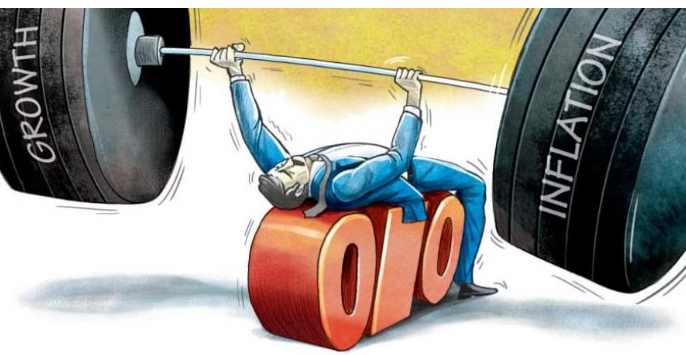
For months, global markets banked on central banks lowering interest rates in 2026. Those hopes have evaporated. The blockade of the Strait of Hormuz and the destruction of energy infrastructure in the Gulf have created a permanent supply shock.
Even if a ceasefire were signed tomorrow, repairing the global supply chain is estimated to take between 3 and 18 months. This ensures that high energy and plastic prices will seep from headline inflation into core inflation. Consequently, central banks like the Fed and the ECB are now more likely to raise rates than lower them—hitting a global economy that is already “staggering like a knockout boxer.”
2. The Private Credit Time Bomb
Yeşilada highlights a specific, invisible threat: Shadow Banking (Private Credit). With a portfolio of roughly $2 trillion, these unregulated funds have lent heavily to SMEs and startups.
-
The Squeeze: As interest rates stay “higher for longer,” corporate defaults are set to spike.
-
The Stress Test: The Fed has already begun asking banks to declare their exposure to these private credit funds—a sign that regulators fear a “Lehman-style” contagion. If a major fund fails to meet redemptions, panic could spread through the financial system as fast as a virus.
3. The AI Investment Reality Check
The war has also derailed the “AI Revolution” narrative that sustained Wall Street in 2025. Major tech firms committed $700 billion in capex based on pre-war energy prices.
-
Cost Inefficiency: AI is energy-intensive. Sky-high electricity bills mean the return on investment (ROI) for companies like OpenAI or Microsoft will take much longer to realize.
-
The Sell-off Risk: If tech giants fail to show immediate profits amidst rising operational costs, a massive correction in the Nasdaq is likely, further tightening global financial conditions.
4. Turkey: Managing the Shockwave
Domestically, the situation remains precarious. While Finance Minister Mehmet Şimşek maintains that the crisis is being managed correctly, the loss of $40-$50 billion in reserves is a reality that cannot be ignored.
-
Fitch’s Warning: By shifting Turkey’s outlook to “stable,” Fitch has signaled to international fund managers that the “rainy day” has arrived.
-
The Interest Rate Floor: Market expectations for year-end inflation have jumped to 32-33%, meaning high interest rates are here to stay, stifling domestic growth and putting immense pressure on the national budget.
Strategic Conclusion: The Flight to Safety
The convergence of these shocks—energy, interest rates, and shadow banking—creates a “negative feedback loop.” Under these conditions, “risky assets” (including Growth Stocks, Bitcoin, and even Gold in the short term) may struggle to find buyers as investors flee to cash.
The Verdict: We are not necessarily looking at a 2008-style total collapse, but rather a “Sustained Friction” crisis similar to the 2011 Eurozone debt crisis. Investors are advised to avoid market volatility, stay liquid, and look toward Eurobonds or high-yield deposits until the geopolitical smoke clears.