Iran War and Geopolitical Uncertainty Stresses Turkish Economy
 Turkish-economy
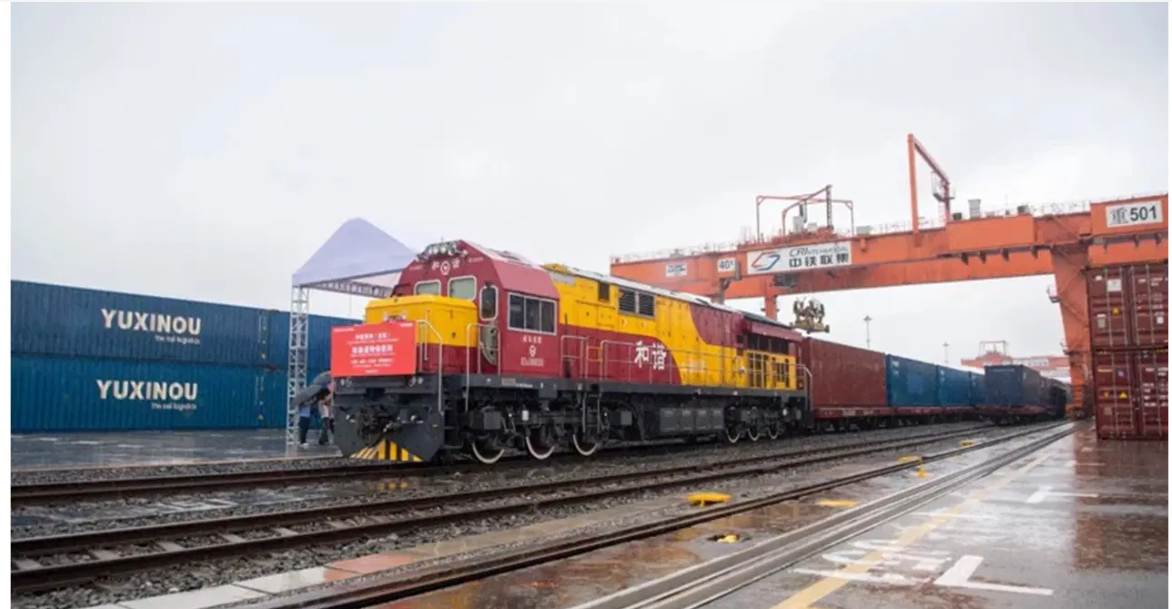
The breakdown of negotiations between the United States and Iran has sent shockwaves through global markets, placing the fragile Turkish economy under renewed pressure. According to leading economists, the combination of Iran war, rising energy costs, logistical disruptions, and a potential “supply-side” inflation spike suggests a challenging period ahead for both citizens and businesses.
With the Strait of Hormuz remaining a critical flashpoint, the “geopolitical risk premium” is now a permanent fixture in economic modeling for 2026.
Supply Chain & Logistics: The Death of “Just-in-Time”
Dr. Hakan Çınar (President of the Association of Foreign Trade Directors) warns that the traditional “just-in-time” production model is failing.
-
Stockpile Burden: Firms are moving toward a “just-in-case” model, holding more inventory to prevent production halts. This increases storage costs and ties up critical working capital.
-
Navlun & CDS: Volatility in freight (navlun) prices and Türkiye’s Credit Default Swaps (CDS) will make international financing more expensive and harder to access.
-
The Silver Lining: Türkiye’s proximity to Europe could see an increase in orders as EU firms seek closer, more reliable suppliers—strengthening Türkiye’s bid to become a regional logistics hub.
Energy and Inflation: The $100 Oil Threat
İris Cibre and Özlem Derici Şengül highlight the direct impact of regional instability on Türkiye’s domestic prices.
-
Supply-Side Inflation: If oil remains consistently above $100, inflation—currently stuck near 30%—will be impossible to pull down.
-
Cari Açık (Current Account Deficit): Elevated energy costs could push the deficit toward $60 billion, draining the Central Bank of Türkiye (TCMB) reserves and increasing pressure on the Lira.
Monetary Policy: A Possible Move to 40%?
Market analysts are bracing for a hawkish response from the Central Bank.
-
Rate Hikes: If reserve losses continue and the Lira faces speculative attacks, the TCMB may be forced to act in its April meeting.
-
The Forecast: Expectations include raising the policy rate to 40% and shifting the upper band of the interest rate corridor to 43% to defend the currency.
Structural Fragility: The Global Comparison
Arda Tunca points out that Türkiye’s vulnerability to external shocks results from weak internal structures. Even without war, Türkiye’s inflation remains an outlier compared to other developing nations.
| Country | Inflation Rate (%) |
| Malaysia | 1.4% |
| Chile | 2.8% |
| India | 3.2% |
| Pakistan | 7.3% |
| Türkiye | ~30.0% |
Tunca argues that managing the crisis is not enough; the “crisis-producing structure” of the economy must be changed through policy coordination and the rule of law.
The “Global Game” Theory
In contrast to the structural views, Emre Şirin suggests the current tension may be a “manipulative global game” designed to shake out individual investors. He expects that after a period of intense market volatility and panic-selling, a surprise agreement will eventually be reached, allowing markets to recover.
Source: cumhuriyet
Related articles
Impact of pandemic over balance of payments
Ozlem Derici Sengul: January budget deficit driven by transfers to loss-making SEEs
Economist Sengul: Central Bank rate hike more damaging than useful