



Iran-Israel War Alert: Turkey Braces for Economic Shocks and Oil Spikes
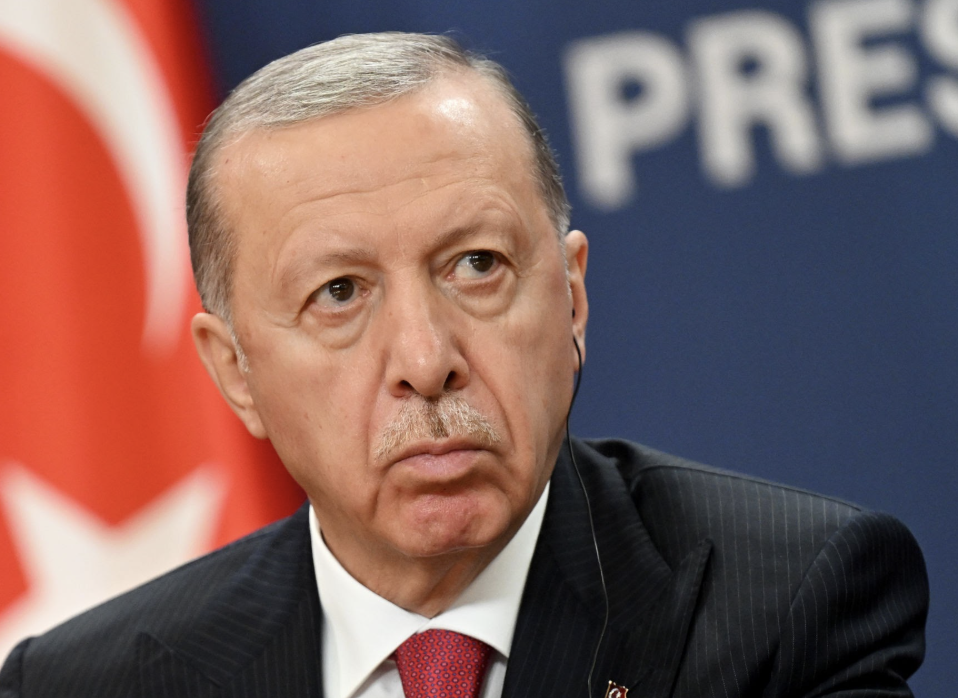 erdogan
The escalation of the U.S.-Israel military strikes against Iran has sent shockwaves through Ankara, triggering emergency discussions within the AKP leadership.
As the conflict enters its fifth day, Turkish officials are grappling with a dual threat: the potential for a massive energy crisis and the risk of the war being used to justify domestic economic hardships. With the Strait of Hormuz facing potential closure, global market volatility is hitting Turkey’s fragile economy at a critical juncture.
Economic Fallout: Market Crashes and Energy Anxiety
The immediate impact of the war was felt on the Borsa Istanbul, which saw a staggering 400 billion TL loss on the first day of hostilities. Government insiders are reportedly analyzing several high-risk scenarios:
-
The “$100 Oil” Threat: If Iran offers stiff resistance or targets regional energy corridors, officials fear a permanent spike in fuel and natural gas prices.
-
The “War Excuse” Strategy: Analysts suggest the government may pivot its narrative, attributing ongoing economic struggles—such as the lack of raises for retiree bonuses—to the sudden “war-driven” global instability.
-
Infrastructure & Bases: While Turkish bases are not currently active in the strikes, the proximity of the conflict raises concerns about regional security and potential ethnic or political friction within Turkey.
Regime Change and “Point Strikes”
AKP strategists are describing the current U.S.-led operations as a “distance war” model, focusing on precision strikes aimed at regime change in Tehran. The prevailing view in Ankara’s halls of power is that unless Iran moves toward reconciliation, the U.S. and Israel will not stop until the current administration is “brought to its knees.”
The Migration and Social Risk
While a mass migration wave similar to the Syrian crisis is not expected unless a full-scale internal civil war breaks out in Iran, Ankara remains on high alert.
The primary fear is a socio-economic breaking point where rising living costs, masked by the shadow of war, lead to increased domestic tension.
President Erdoğan’s recent warning that “no one can carry the weight of such geopolitical uncertainty” underscores the gravity of the situation for Turkey’s 2026 economic targets.