How Turkish Economy Leaders Shape the ‘Next Gen’ Investors
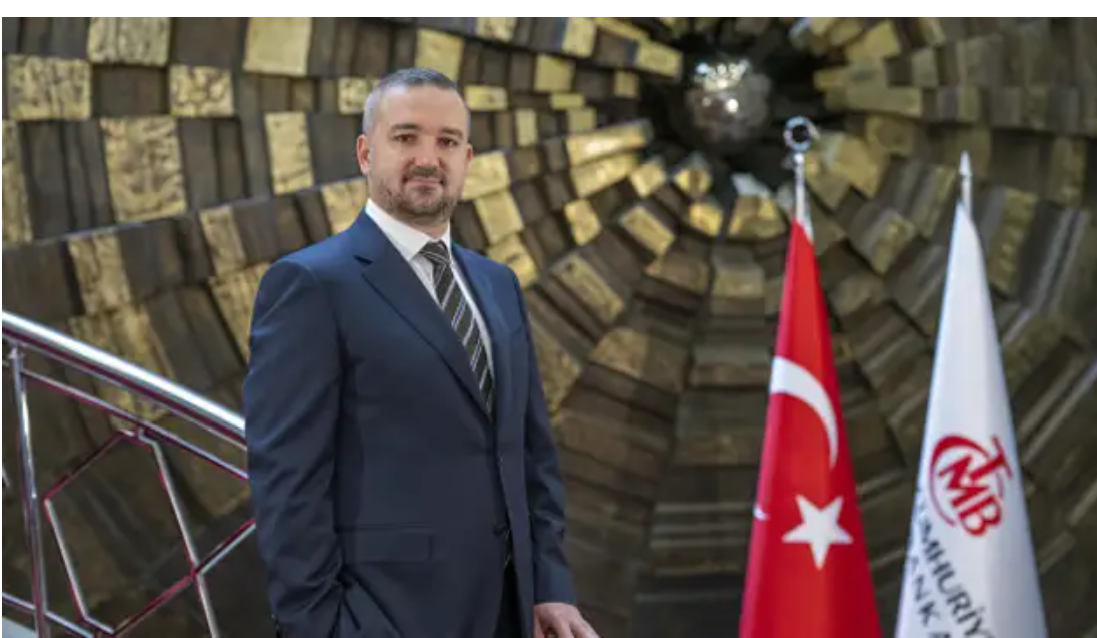 fatih karahan
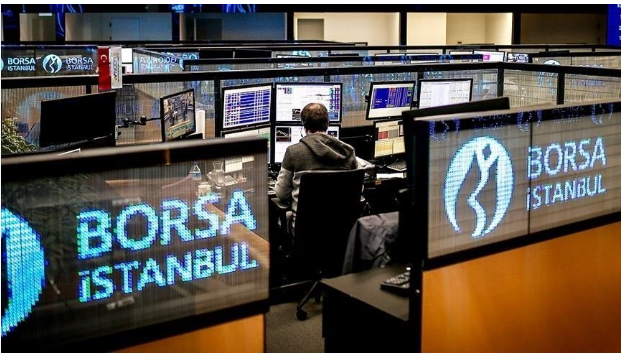
The future of Turkey’s economy took center stage at Borsa Istanbul as the nation kicked off Global Money Week. Orchestrated by the Capital Markets Board (SPK), the event gathered the heavyweights of the Turkish economy and finance to deliver a clear message to university students: financial literacy is the bedrock of both individual wealth and national stability.
The Hidden Dangers of Digital Finance
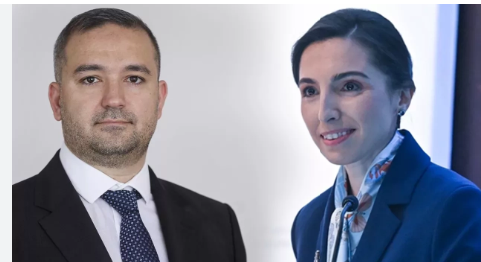
Central Bank (TCMB) Governor Fatih Karahan addressed the crowd with a stern warning regarding the modern financial landscape. As digital platforms make investing more accessible, they simultaneously open the door to sophisticated scams.
“One must be extremely cautious against proposals promising high returns in a very short time,” Karahan warned. “Deceptive financial methods are proliferating rapidly across digital environments.”
Karahan emphasized that price stability is the essential ingredient for sound decision-making. He noted that high inflation often forces individuals into reactive behaviors—such as immediate spending or fleeing to foreign currencies—which erodes collective savings and destabilizes the broader economic equilibrium. The Central Bank’s primary mission remains a steadfast commitment to disinflation to restore the functional roles of money as a medium of exchange and a store of value over the long term.
Turkish Economy: Economic Resilience and the 2025 Milestone
Deputy Minister of Treasury and Finance, Osman Çelik, shifted the focus to the structural strength of the Turkish economy. Despite global geopolitical friction and tightening credit conditions, Çelik highlighted that the current economic program has fostered significant macroeconomic resilience.
The numbers tell a story of growth amidst discipline. By the end of 2025, Turkey’s GDP reached $1.6 trillion, with per capita income climbing to $18,000.
-
Growth Rate: 3.6% in 2025.
-
Fiscal Discipline: Strengthened resistance to external shocks.
-
Employment: Maintained strong levels despite global headwinds.
Çelik argued that a financially literate population makes the entire system more predictable and easier to regulate, ultimately reinforcing investor confidence in Turkish markets.
Empowering Youth Through “Smart Money”
The theme for 2026, “Smart Money,” was unveiled by SPK Chairman İbrahim Ömer Gönül. The initiative aims to transform how young people perceive earnings, moving away from “get-rich-quick” schemes and toward the patient accumulation of wealth.
The SPK is focusing on educational outreach that begins in childhood and extends through the first years of a professional career. The goal is to instill a culture of conscious investment and speculative awareness.
“If we do not discuss money today, we will not have the chance to build the savings of tomorrow,” Gönül stated, urging youth to ignore speculative movements and focus on the value of labor and production.
To further this transparency, the Central Bank announced it will expand its “Macroeconomic Outlook” meetings to universities across the country. By engaging directly with students, the administration hopes to bridge the gap between complex monetary policy and citizens’ daily financial lives, ensuring a stronger, more informed society.