



New Passport Index Shows Who Can Travel Freely in 2026
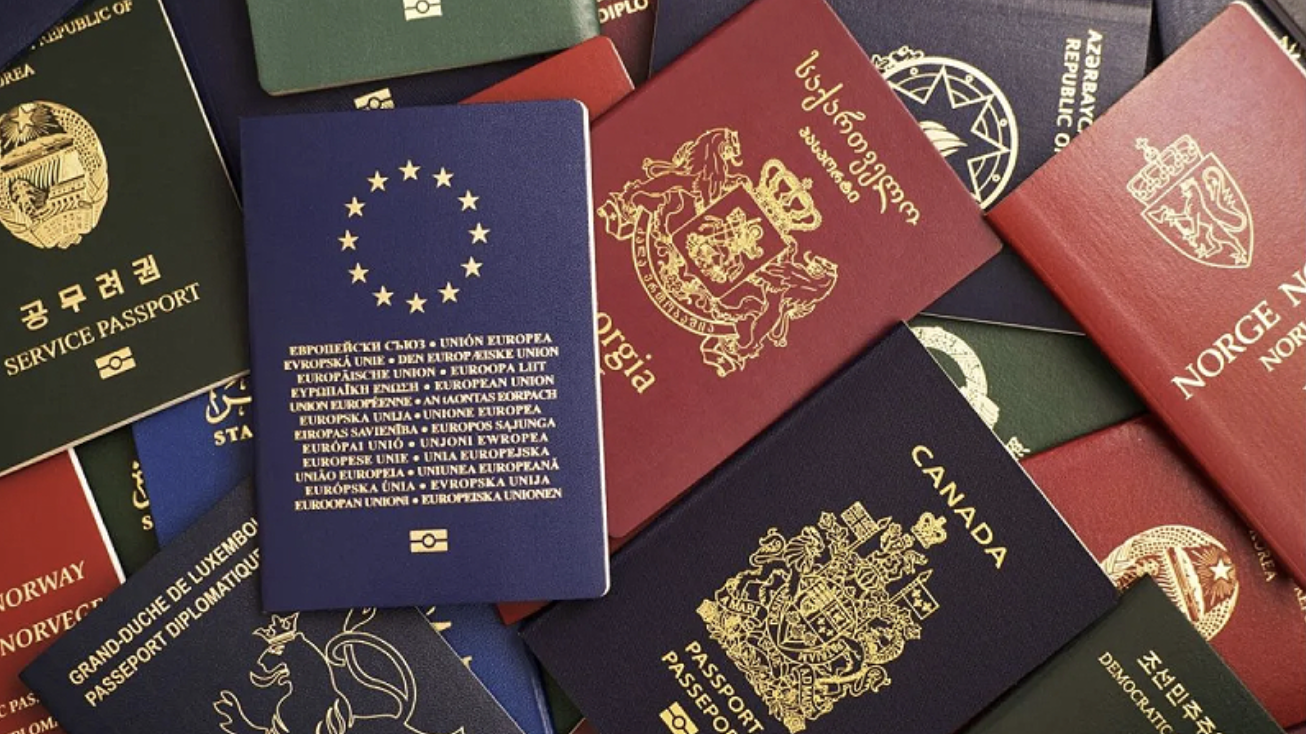 Passport
The global map of travel freedom has been redrawn. According to the 2026 Henley Passport Index, passport strength is increasingly defining who can move freely across borders and who remains constrained. The latest rankings reveal a historic gap between the world’s strongest and weakest passports, underline Asia’s dominance at the top, and show Europe’s continued weight among the global elite, while positioning Türkiye firmly in the middle tier of global mobility.
Based on data from the International Air Transport Association (IATA), the Henley Passport Index remains the most widely cited benchmark for visa-free travel access. The 2026 edition once again demonstrates that a passport is no longer just a travel document, but a powerful indicator of geopolitical influence, economic trust, and global opportunity.
Asia Dominates the Top, Europe Fills the Elite Ranks
At the very top of the 2026 index stands Singapore, maintaining its long-term leadership position. The Singaporean passport grants visa-free or visa-on-arrival access to 192 destinations, making it the most powerful passport in the world.
Close behind, Japan and South Korea share second place, each offering access to 188 destinations without prior visas. Their continued presence near the summit highlights the strong diplomatic networks and global trust enjoyed by advanced East Asian economies.
The third tier is dominated by Europe’s strongest states. Denmark, Luxembourg, Spain, Sweden, and Switzerland jointly occupy third place, with visa-free access to 186 countries. These nations combine political stability, economic strength, and extensive bilateral agreements, translating directly into travel freedom for their citizens.
Just one step below, a broad group of European countries fills fourth place. Austria, Belgium, Finland, France, Germany, Greece, Ireland, Italy, the Netherlands, and Norway all provide access to 185 destinations, underscoring Europe’s collective influence despite internal political differences. Together, European states make up the majority of the top 10, reinforcing the continent’s enduring role in shaping global mobility standards.
Türkiye Ranked 46th with Access to 113 Countries
In the 2026 rankings, Türkiye places 46th, offering its citizens visa-free or visa-on-arrival access to 113 countries. This position reflects Türkiye’s status as a mid-level global mobility power, neither among the most restricted nor among the most privileged passport holders.
The ranking suggests relative stability rather than sharp improvement or decline. While Turkish passport holders benefit from access across parts of Asia, Africa, Latin America, and the Middle East, significant barriers remain for travel to North America and much of the European Union. Analysts often note that visa liberalization agreements, diplomatic normalization, and economic predictability remain key factors shaping Türkiye’s future standing.
A Historic Gap Between the Strongest and Weakest Passports
One of the most striking findings of the 2026 index is the record-breaking disparity between the world’s strongest and weakest passports. Afghanistan, ranked last, allows visa-free access to just 24 countries. When compared to Singapore’s 192 destinations, the gap reaches an unprecedented 168 countries.
Henley & Partners Chairman Dr. Christian H. Kaelin described this divide as historically significant. Two decades ago, the difference between the top and bottom passports stood at 118 destinations. The dramatic widening of this gap illustrates how global inequality increasingly extends into freedom of movement, reinforcing divisions between stable, globally integrated states and those affected by conflict, sanctions, or diplomatic isolation.
Major Shifts: UAE’s Rise and the US Comeback
Beyond the top rankings, the 2026 index highlights several notable long-term shifts.
The UAE’s Remarkable Ascent
The United Arab Emirates has recorded one of the most dramatic rises in passport power over the past 20 years. Since 2006, the UAE has added 149 new visa-free destinations, climbing 57 places in the rankings. In 2026, it reached 5th place, marking one of the most successful mobility transformations ever recorded by the index.
The United States Re-enters the Top 10
After experiencing a period of decline, the United States has returned to the top 10 in 2026, offering visa-free access to 180 destinations. Despite this rebound, long-term trends remain notable. Both the US and the United Kingdom have seen a gradual erosion in their passport strength since peaking in 2014, highlighting how shifting foreign policy priorities and visa reciprocity affect even the most powerful nations.
Emerging Winners in Global Mobility
The index also points to emerging success stories. Kosovo stands out as the fastest-rising passport over the past decade, while China has significantly expanded its travel reach. In just 10 years, China has added numerous visa-free destinations, climbing 28 places and reaching access to 141 countries. This improvement signals Beijing’s growing diplomatic footprint and bilateral engagement strategy.
Passport Power as a Global Inequality Indicator
The 2026 Henley Passport Index makes one message clear: passport power increasingly mirrors global inequality. Citizens of highly ranked countries enjoy near-frictionless movement, broader career options, and easier access to education and investment. Meanwhile, those holding weaker passports face structural barriers that limit opportunity long before a journey even begins.