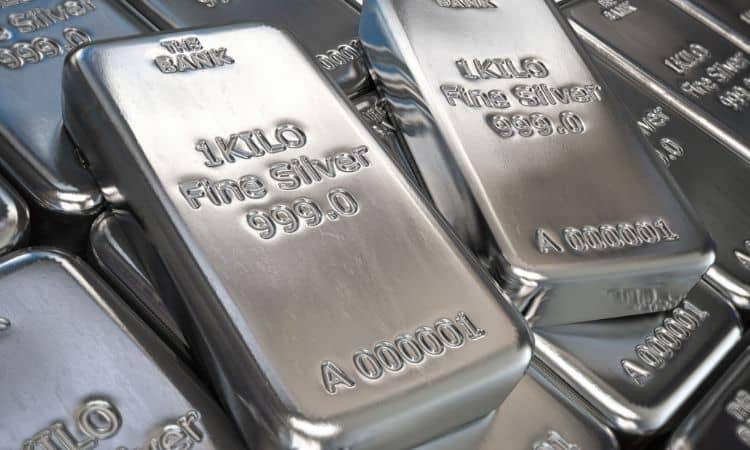
Greenland Tensions Ignite Gold Rally: Is $5,500 the Next Stop or a Sharp Reversal?
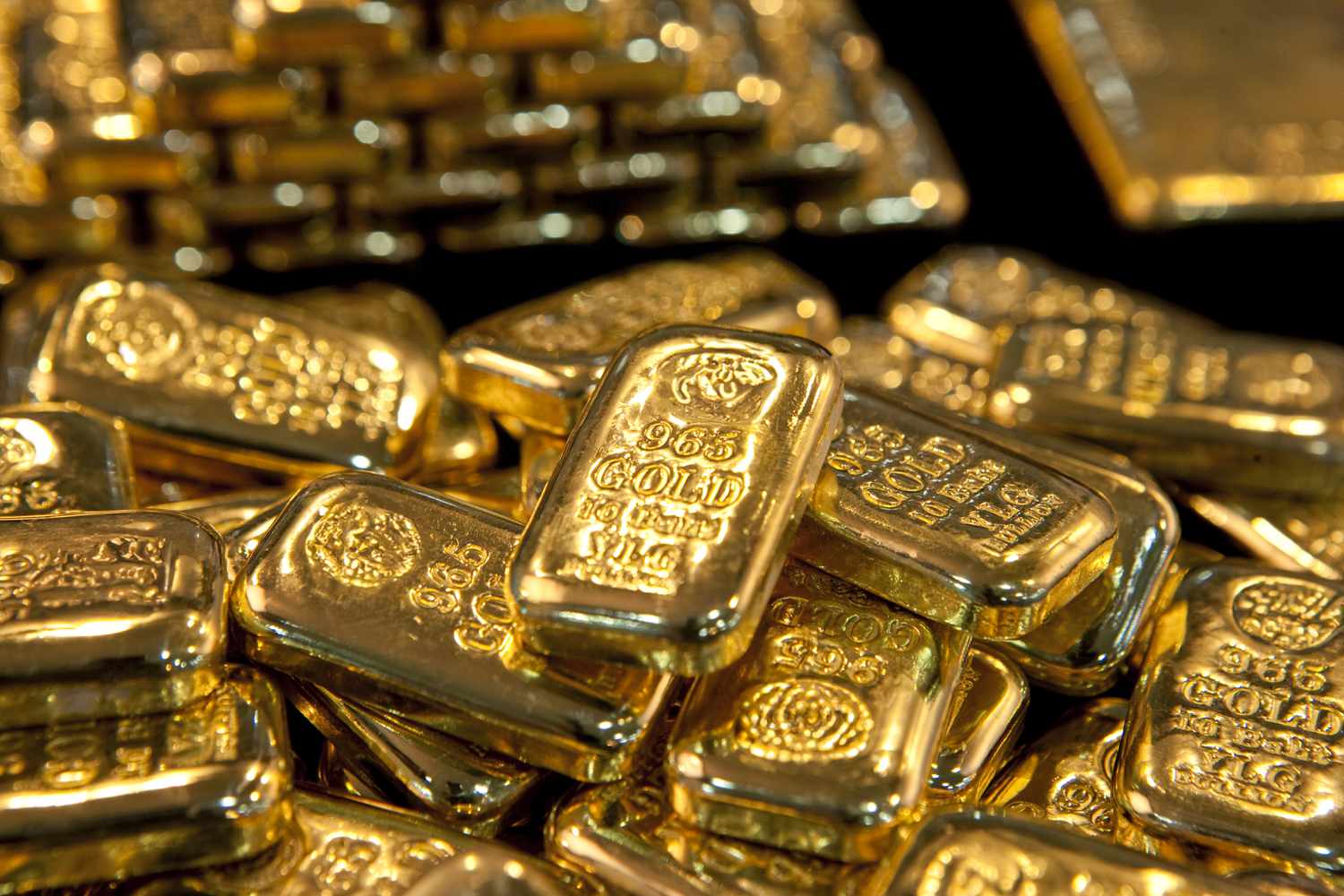 Gold
Gold
Rising geopolitical tensions linked to former U.S. President Donald Trump’s remarks about Greenland have sent shockwaves through global financial markets, triggering a powerful rush into safe-haven assets. As uncertainty deepened, gold and silver prices surged to historic highs, underscoring investor anxiety and the fragile balance shaping the global outlook. Gold, in particular, has delivered its strongest performance in 45 years, reigniting debate over whether the rally still has room to run—or whether a painful correction lies ahead.
Markets reacted swiftly after Trump suggested that the United States could impose additional tariffs on European allies unless Denmark allows negotiations over Greenland, an autonomous territory within the Kingdom of Denmark. The comments introduced a new geopolitical fault line between Washington and Europe, intensifying already strained trade relations and driving investors toward assets traditionally seen as shields against political risk.
Gold Hits Record Highs as Risk Aversion Spikes
During Asian trading hours, spot gold jumped 1.89% to $4,668 per ounce, after briefly touching $4,690, marking an all-time high. By early afternoon, gold continued to trade near record territory, reflecting persistent demand for safety amid geopolitical uncertainty and weakening risk appetite.
This surge has not been limited to international markets. In Turkey, the rally in gold prices per ounce translated into a dramatic rise in local prices. Gram gold reached a historic peak of TRY 6,527, before easing slightly to around TRY 6,496 later in the session. The synchronized rise highlights how global instability and currency dynamics continue to feed directly into domestic precious metals prices.
Trump’s Greenland Message Adds a New Layer of Global Tension
Trump’s latest statements revived a long-dormant but controversial issue. He indicated that gradual tariffs on European allies could be implemented unless the U.S. is permitted to pursue the purchase of Greenland. The rhetoric, directed at a territory tied to Denmark—an EU and NATO member—quickly escalated concerns over transatlantic relations.
European Union diplomats reportedly moved to intensify their engagement to prevent the dispute from escalating. At the same time, preparations for potential retaliatory measures were said to be underway should tariffs become a reality. The episode reinforced market fears that geopolitical disputes could spill into trade wars, supply chain disruptions, and broader economic fallout.
Flight to Safety Gains Momentum
Following Trump’s comments, U.S. equity futures weakened, and the dollar index slipped, signaling a broad retreat from risk assets. Investors rotated aggressively toward gold, the Japanese yen, and the Swiss franc, all of which benefit during periods of heightened uncertainty.
Gold’s appeal has been further supported by the global interest rate environment. As a non-yielding asset, gold typically struggles when rates are high. However, expectations of more accommodative financial conditions, combined with geopolitical stress, have reinforced its role as a store of value rather than a yield-generating investment.
Silver and Other Precious Metals Join the Rally
The surge was even more pronounced in silver. Spot silver climbed 3.3% to $92.93 per ounce, after reaching an intraday record of $94.10. The sharp rise reflected both safe-haven demand and silver’s industrial appeal, particularly during periods when investors anticipate supply constraints or inflationary pressures.
Other precious metals also posted gains. Platinum rose to $2,355, while palladium advanced to $1,808.46, underscoring the broad-based nature of the rally across the metals complex.
A 45-Year High Performance for Gold
Gold’s current rally builds on an already extraordinary run. According to Eral Karayazıcı, Portfolio Fund Management Director at Inveo, gold delivered a 64% gain in dollar terms last year, marking its strongest annual performance in 45 years. The metal has also entered 2026 on a strong footing, continuing to draw strength from what Karayazıcı describes as global erosion of trust.
In his analysis, Karayazıcı notes that the renewed energy in gold prices was largely driven by developments in the United States. The escalation of tensions with Europe over Greenland played a decisive role in pushing gold toward $4,668, reinforcing its sensitivity to geopolitical shocks.
Investor Psychology and the $5,500 Question
Despite gold trading at levels that exceed its 1979 inflation-adjusted peak by roughly 25%, investors appear largely unconcerned about valuation. Demand remains strong, suggesting that fear and uncertainty are outweighing traditional price considerations.
This mindset, according to Karayazıcı, opens the door for gold to challenge psychological resistance levels around $5,000 and $5,500 per ounce. Persistent geopolitical stress, combined with fragile confidence in global institutions, continues to provide fertile ground for further upside.
Correction Risks Cannot Be Ignored
However, Karayazıcı also warns against focusing solely on bullish scenarios. Global tensions have intensified in waves, but history shows that periods of relative calm can emerge just as abruptly. Should geopolitical pressure ease or diplomatic channels succeed in defusing tensions, gold could experience a sharp pullback.
In such a scenario, gold prices could retreat toward $4,000—or even $3,500—without much resistance, he cautions. The speed and magnitude of recent gains mean that volatility remains a defining feature of the market.
Related articles
Gold and Silver Shortages Grip Turkey as Prices Surge and Jewelry Sector Collapses

Morning Report: Global Markets Breathe as Diplomacy Shadows the Fog of War
Gold Breaks 5,200 as RBC Flags a Path Toward 7,100 USD in 2026