Greece Signals Further Territorial Waters Expansion Despite Türkiye’s Casus Belli Warning
 tr yunanistan
Summary:
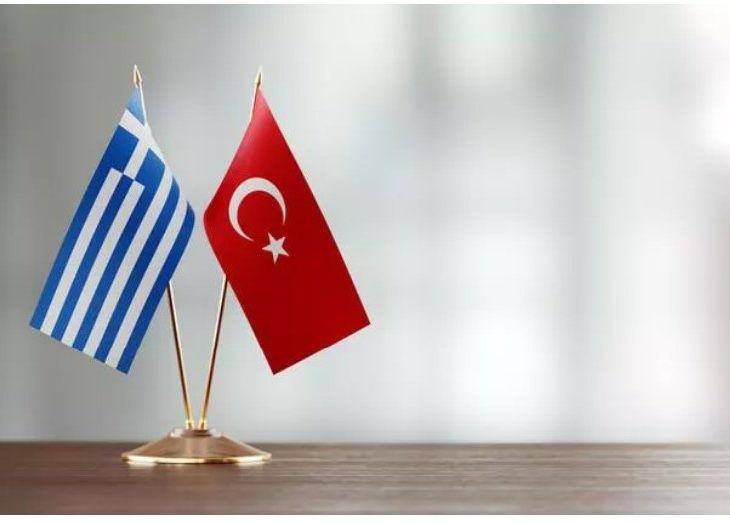
Greece has reiterated its intention to extend its territorial waters, potentially including parts of the Aegean Sea, despite Türkiye’s long-standing warning that such a move would constitute a casus belli. The statement by Greek Foreign Minister George Gerapetritis revives one of the most sensitive disputes between the two NATO allies, even as broader diplomatic tensions have eased in recent years.
Athens Reaffirms Expansion Plans
Greek Foreign Minister George Gerapetritis said on Friday that Greece would proceed with further extensions of its territorial waters, stressing that Athens has no intention of relinquishing its sovereign rights under international law.
“Today, our sovereignty in the Aegean Sea extends to six nautical miles,” Gerapetritis told parliament. “As there was an agreement with Egypt, as there was an agreement with Italy, there will also be a further extension of territorial waters.”
He did not specify which maritime zones would be affected or provide a timeline for the move, but his remarks were widely interpreted as keeping the Aegean firmly on the agenda.
Aegean Remains the Core Dispute
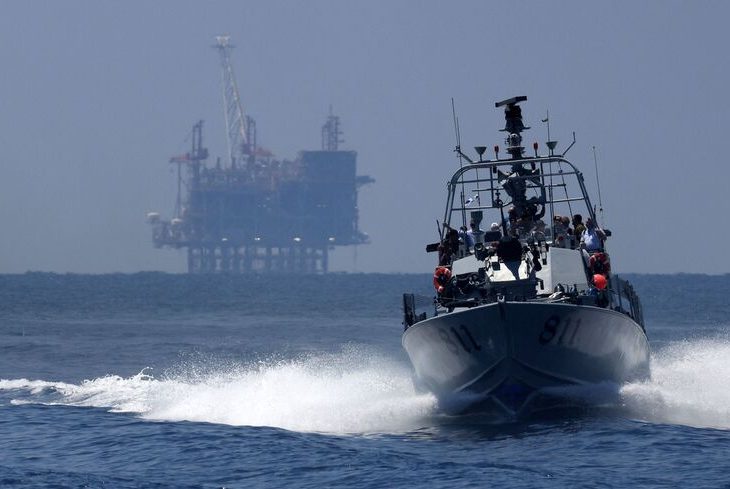
Greece has already expanded its territorial waters from six to 12 nautical miles in the Ionian Sea following a maritime agreement with Italy, and it has signed a separate delimitation deal with Egypt in the eastern Mediterranean. However, Athens has so far avoided a similar step in the Aegean Sea, where Türkiye has consistently objected.
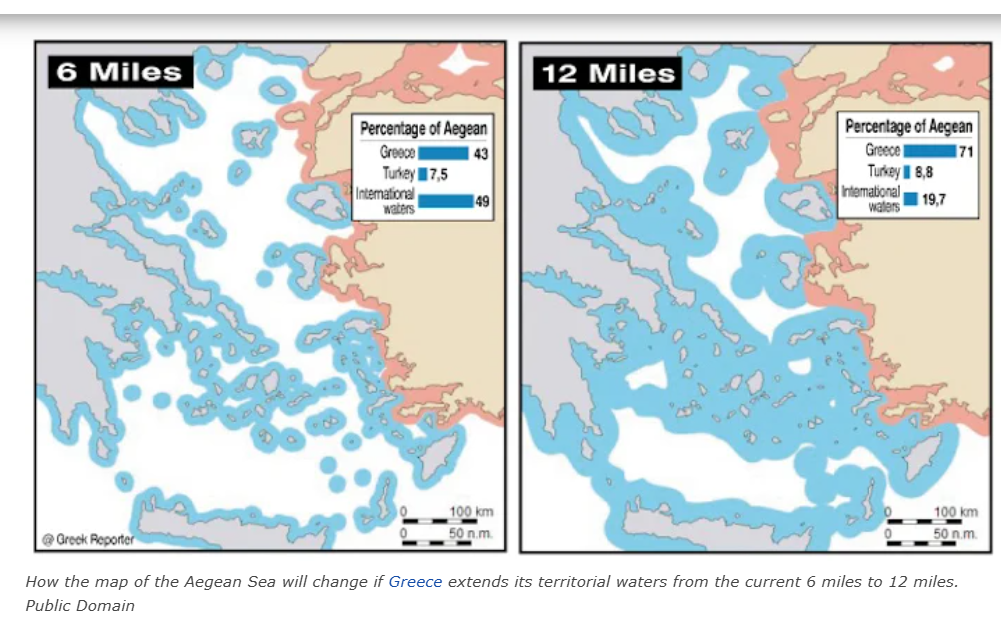
In 1995, the Turkish parliament formally declared that any unilateral Greek extension of territorial waters beyond six nautical miles in the Aegean would constitute a cause for war. Ankara argues that the Aegean’s unique geography makes it a special case and that applying the UN Convention on the Law of the Sea (UNCLOS) without adjustment would severely restrict Türkiye’s access to international waters.
Conflicting Legal Interpretations
Athens rejects Türkiye’s position, insisting that UNCLOS grants coastal states the right to extend territorial waters up to 12 nautical miles. Greek officials argue that freedom of navigation would remain fully protected, including for military vessels, even if territorial waters were expanded.
Gerapetritis also dismissed Türkiye’s “Blue Homeland” (Mavi Vatan) doctrine as unacceptable, saying Greece’s legal and diplomatic standing has strengthened significantly in recent years through agreements with neighboring states and alignment with EU and international law.
Marine Parks Add to Tensions
The territorial waters debate has been further complicated by Greece’s recent announcement of two new marine parks in the Ionian and Aegean seas. The proposed Aegean marine park would cover roughly 9,500 square kilometers around parts of the Cyclades, an area south of Türkiye.
Ankara has objected to the move, warning that unilateral initiatives—whether framed as environmental protection or spatial planning—risk upsetting the fragile balance in the Aegean.
Dialogue Open, Red Lines Intact
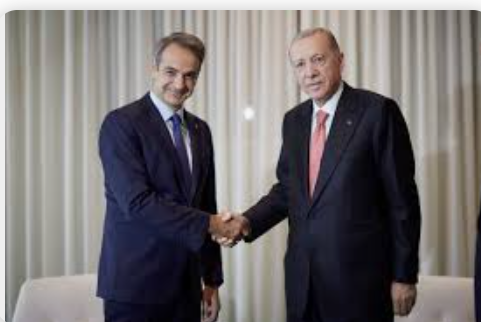
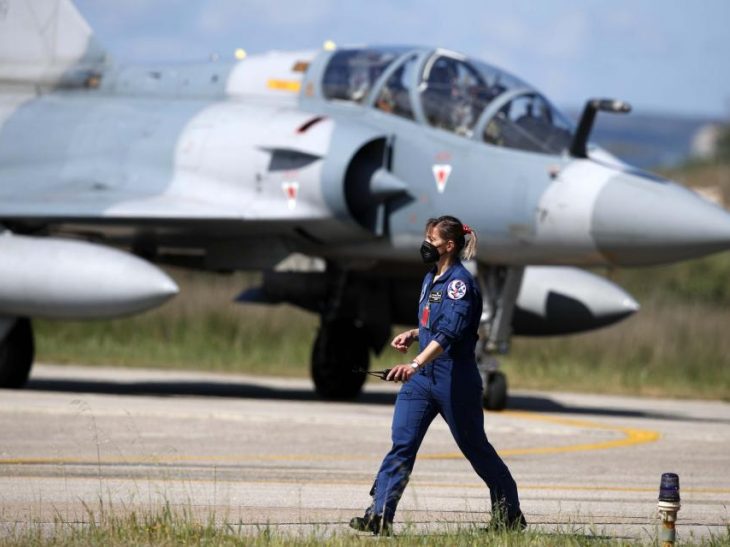
While emphasizing that dialogue with Türkiye remains open, Gerapetritis said national sovereignty was not negotiable. He framed Greece’s stance as one of “principled strength,” backed by long-term planning and defense modernization, including recent additions to the Hellenic Navy.
Despite improved diplomatic contacts between Ankara and Athens in recent years, the issue of territorial waters remains among the most entrenched red lines for both sides.
A Long-Standing Flashpoint Returns
If Greece were to extend its territorial waters to 12 nautical miles in the Aegean, Greek control over the sea would rise sharply, while international waters would shrink significantly—an outcome Türkiye says would be unacceptable.
With Athens once again signaling its determination to act, the territorial waters dispute appears poised to re-emerge as a major source of friction in Türkiye-Greece relations, testing whether recent efforts at de-escalation can withstand one of the region’s most enduring geopolitical fault lines.
Source: Reuters, Greek Reporter
PA Turkey intends to inform Turkey watchers with diverse views and opinions. Articles on our website may not necessarily represent the view of our editorial board or count as endorsement.
Follow our English YouTube channel (REAL TURKEY):
https://www.youtube.com/channel/UCKpFJB4GFiNkhmpVZQ_d9Rg
Twitter: @AtillaEng
Facebook: Real Turkey Channel: https://www.facebook.com/realturkeychannel/***