Georgia Military Aircraft Crash Report Confirms No Explosives
 hercules-C130
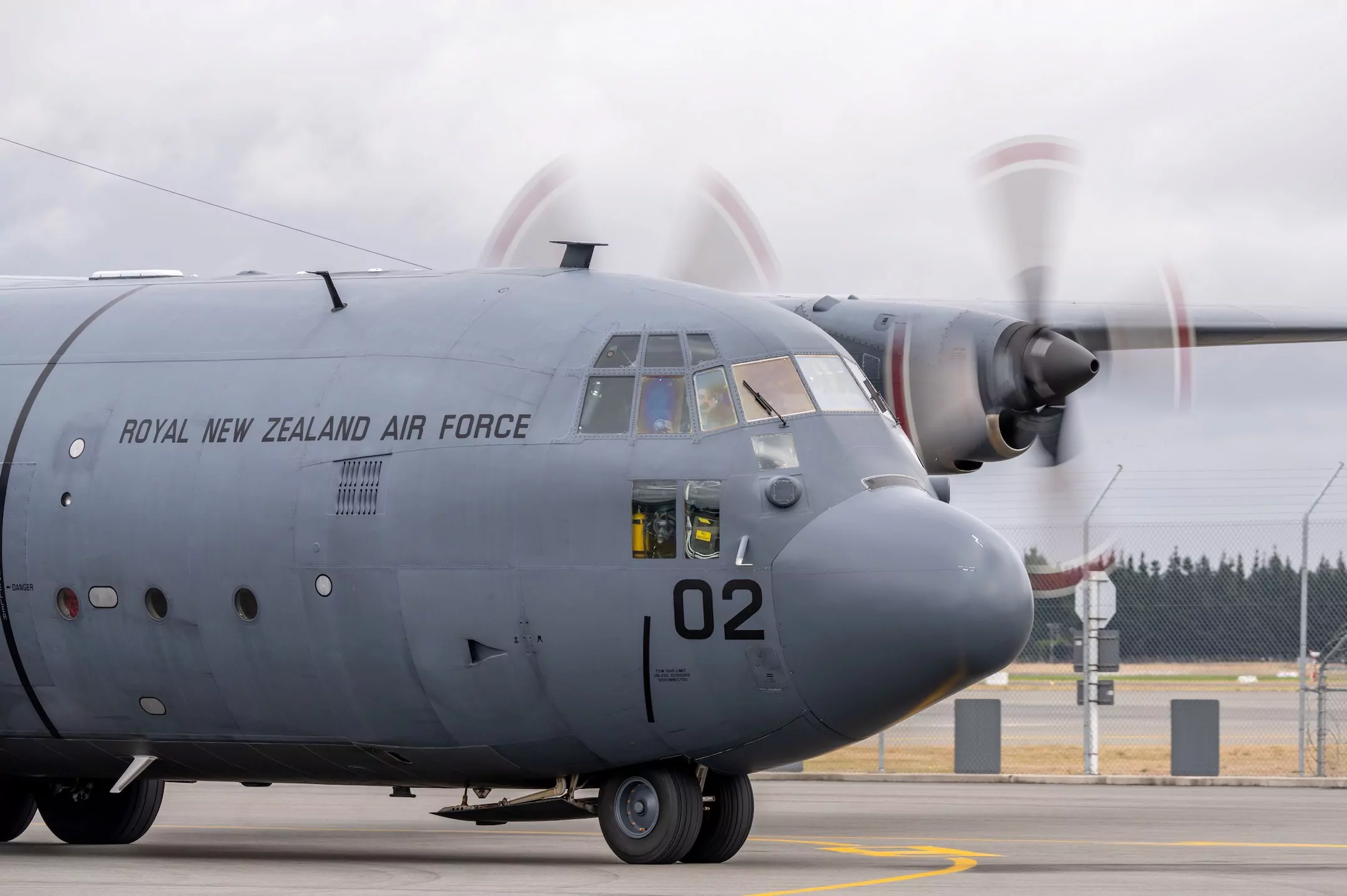
The Georgia military aircraft crash investigation has reached a definitive milestone following the release of a comprehensive forensic report by the Ankara Chief Public Prosecutor’s Office. Technical analysis conducted at the Gendarmerie Forensic Laboratories confirms that no external interference or explosive residues were found on the wreckage of the C-130 transport plane. This update provides critical clarity regarding the tragic incident involving tail number “68-1609,” which resulted in the loss of 20 Turkish service members in the Kakheti region of Georgia on November 11, 2025.
Forensic Findings from the Georgia Military Aircraft Crash Investigation
According to the forensic documentation integrated into the case file, investigators found no evidence of shrapnel patterns typically associated with anti-aircraft munitions or external strikes. The Georgia military aircraft crash investigation report specifically states that there were no traces of improvised explosive devices (IEDs), detonators, or any chemical components linked to explosives. Furthermore, elemental analysis of the debris ruled out the presence of petroleum-based accelerants or incendiary substances that could suggest foul play or a pre-crash fire.
To ensure the integrity of the evidence, Turkish and Georgian authorities operated under a framework of full international cooperation. The remains of the fallen soldiers and key wreckage components were transported via an A400M aircraft from Tbilisi to Ankara’s Mürted Airfield for detailed examination by the Council of Forensic Medicine. These findings effectively narrow the scope of the inquiry, shifting focus away from hostile action toward technical or environmental factors.
Ongoing Technical Analysis and Final Reporting
While the criminal aspect has cleared suspicions of an attack, the broader Georgia military aircraft crash investigation continues under the leadership of the Air Force Command’s Evaluation and Inspection Department. Experts from TÜBİTAK, TUSAŞ, and MKE are currently collaborating to analyze flight data and mechanical performance. This multidisciplinary team is working toward a preliminary accident report, which will eventually be followed by a final, definitive technical assessment.
In addition to the physical wreckage, investigators are scrutinizing the digital materials and mobile devices belonging to the personnel on board. This digital forensic work aims to reconstruct the final moments of the flight and identify any communication or mechanical warnings that may have preceded the descent. The goal remains to provide a transparent and scientifically grounded explanation of the tragedy, in accordance with the highest international aviation standards.
Source: Karar